


Return to Amsterdam

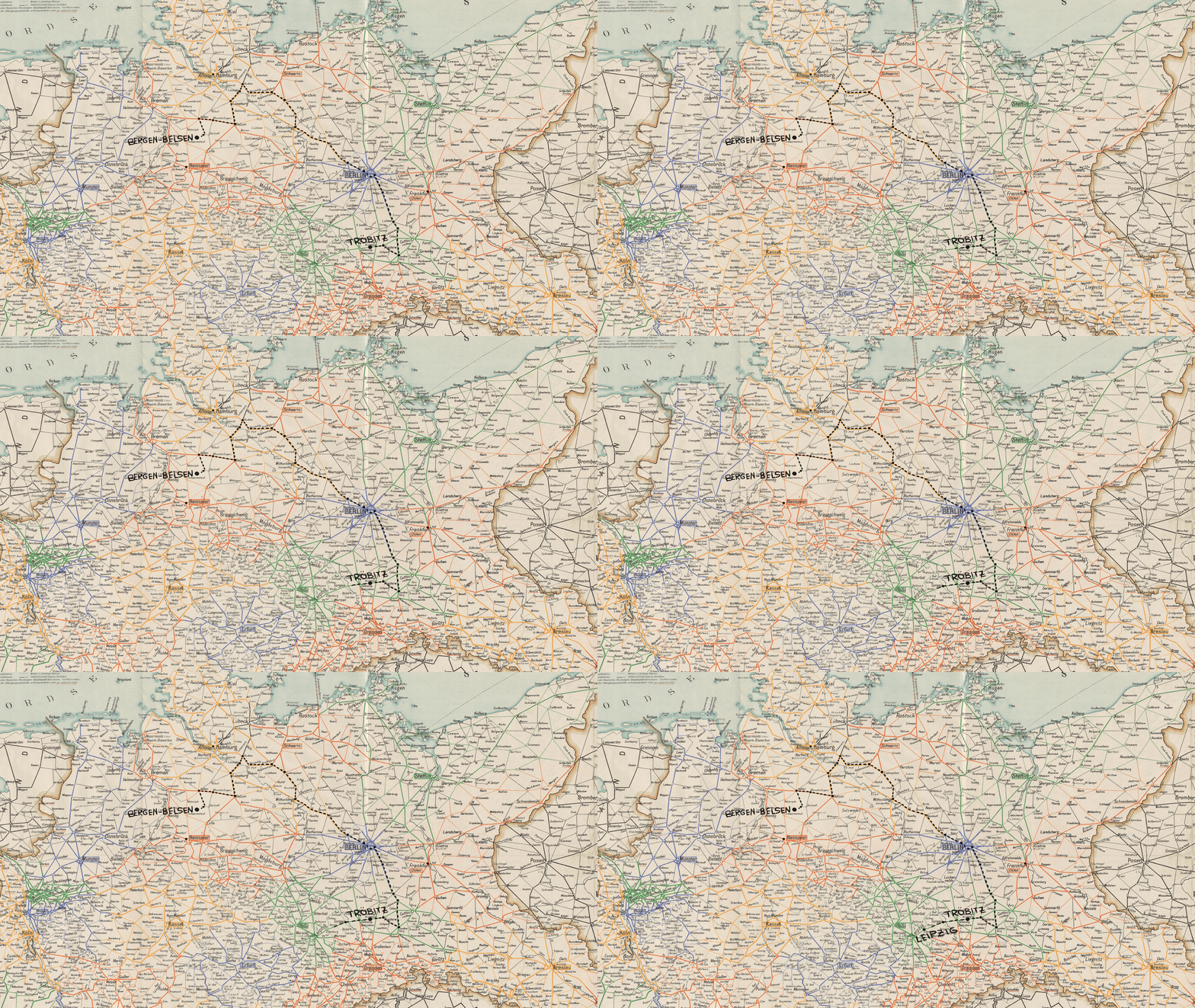
The survivors of the Tal and Levenbach families were liberated by the Red Army and housed in the village of Tröbitz. The survivors of the Reiner family were liberated by the Western Allies in Westerbork. For all three families, the return to Amsterdam was delayed.
Why couldn’t the survivors leave Tröbitz until June 1945?
The Red Army had imposed a quarantine on the village in response to an outbreak of typhus. Later, the liberated exchange hostages contacted the Western Allies directly and organised their own transport to Leipzig.
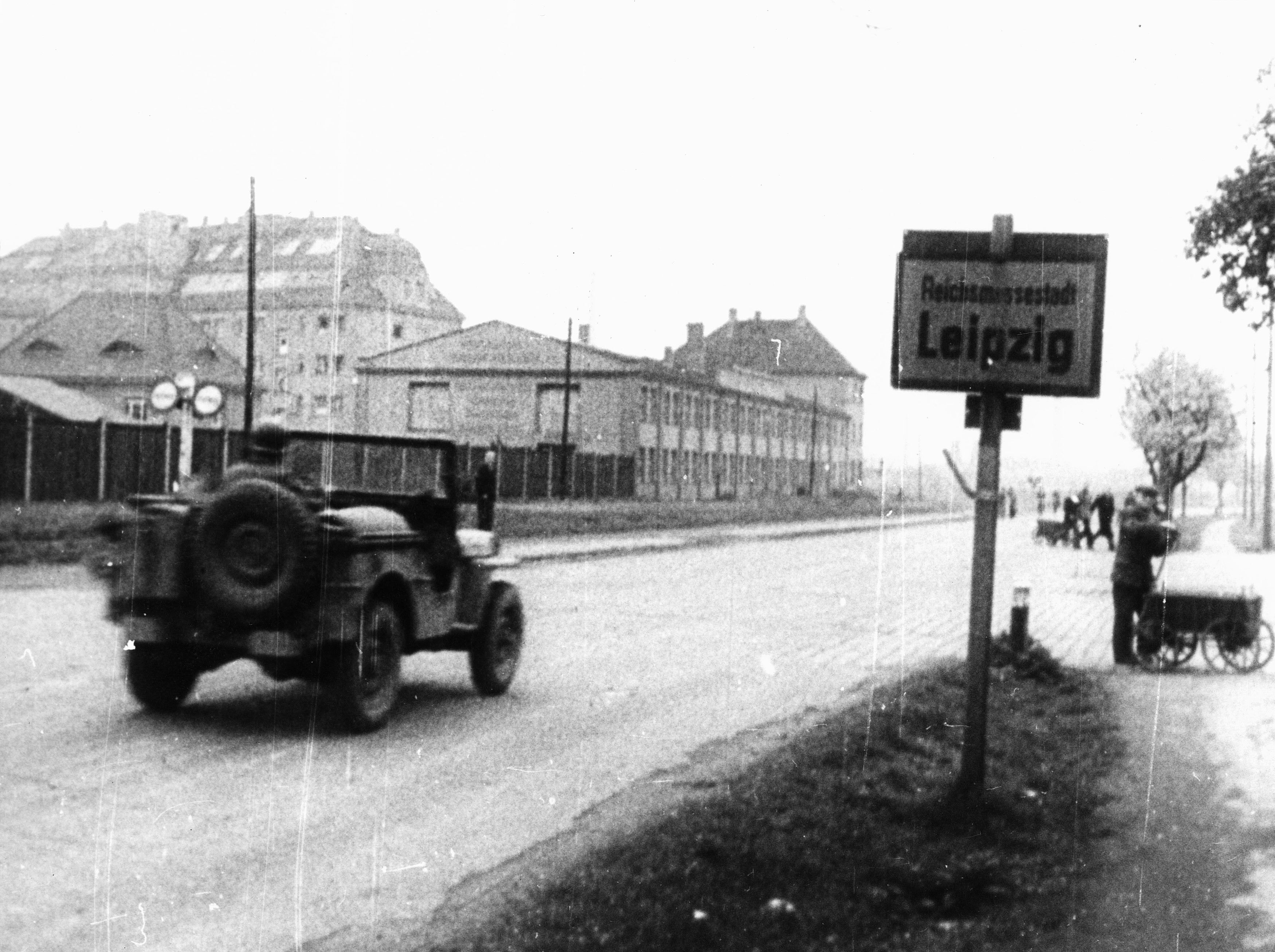
© Stadtarchiv Leipzig, 0563 (photo collection), No. 36823
The Netherlands was liberated on 5 May. Nazi Germany surrendered on 8 May. Weiter
I was unaware of these events in real-time, but I did feel the general expectation around me that they would soon help us return to the Netherlands.
As the days went by without anything happening, I felt disappointment and impatience rising and getting stronger.
Then came the day that trucks appeared…the beginning of the journey we called “return home”.
© Stadtgeschichtliches Museum Leipzig
Two months later, Black American soldiers came and picked us up with trucks and brought us to Leipzig, which was under American occupation.
How did the survivors from Tröbitz return to the Netherlands?
Most of the survivors from the Netherlands and France were taken by truck to Leipzig by the US Army and cared for temporarily there. A few days later, they were taken to the Netherlands by train.
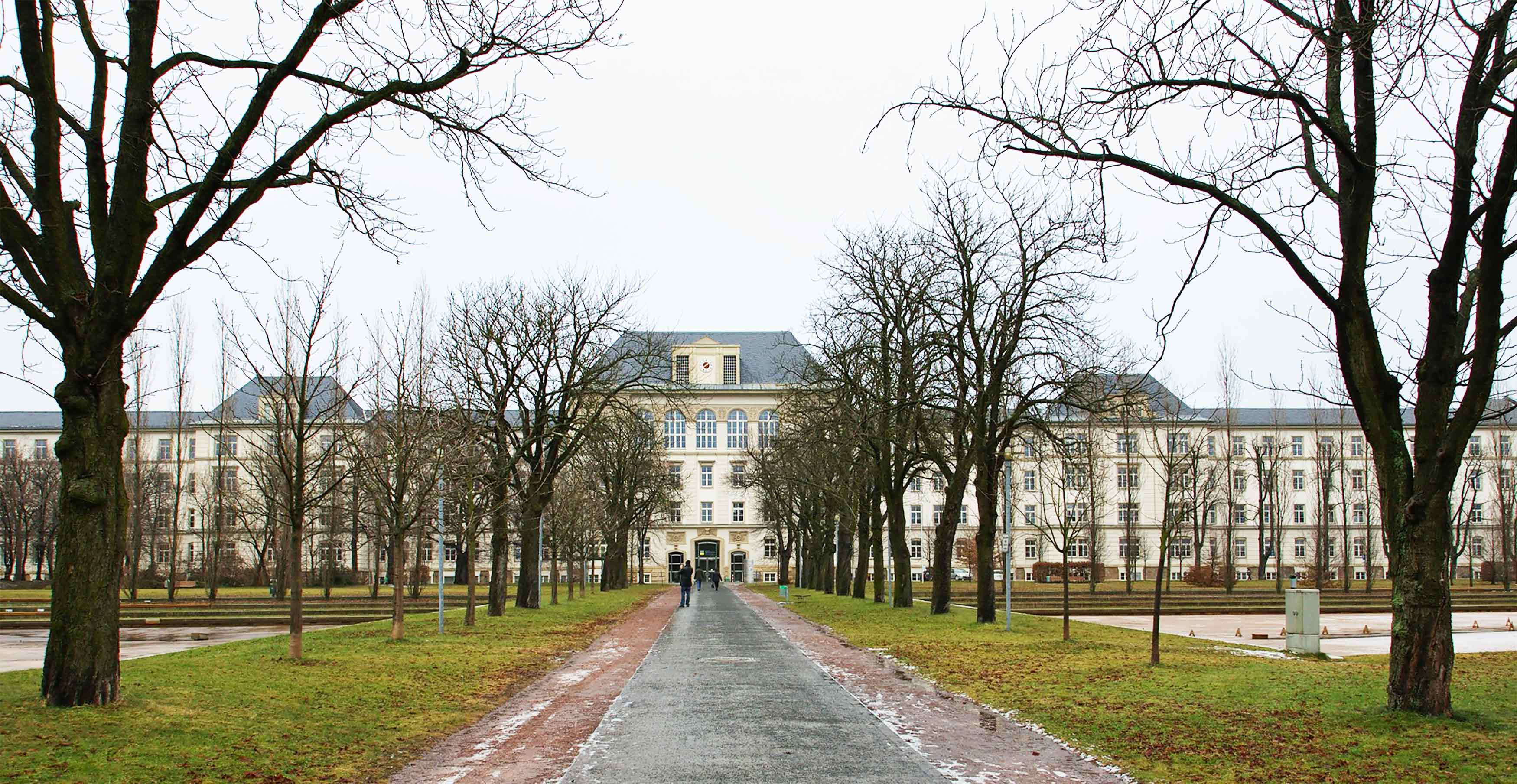
ויקישיתוף, Appaloosa_LE, CC BY-SA 3.0
We were housed according to nationality in the ‘King George barracks’, which was a camp for refugees. Weiter
The next day we were disinfected with DDT powder against lice. Officers from the Dutch army were in charge of the Dutch group. The food they provided in the Dutch kitchen was not tasty and there was not enough. Due to malnutrition, some people suffered from oedema again. That’s why we went to Luxembourg’s kitchen where the food was better.
In the five days we were in Leipzig, No’omi and I took the tram even though we had no money. We just said we didn’t have any, and the conductor accepted it. He must have figured out who we were by our thinness and the state of our clothes.
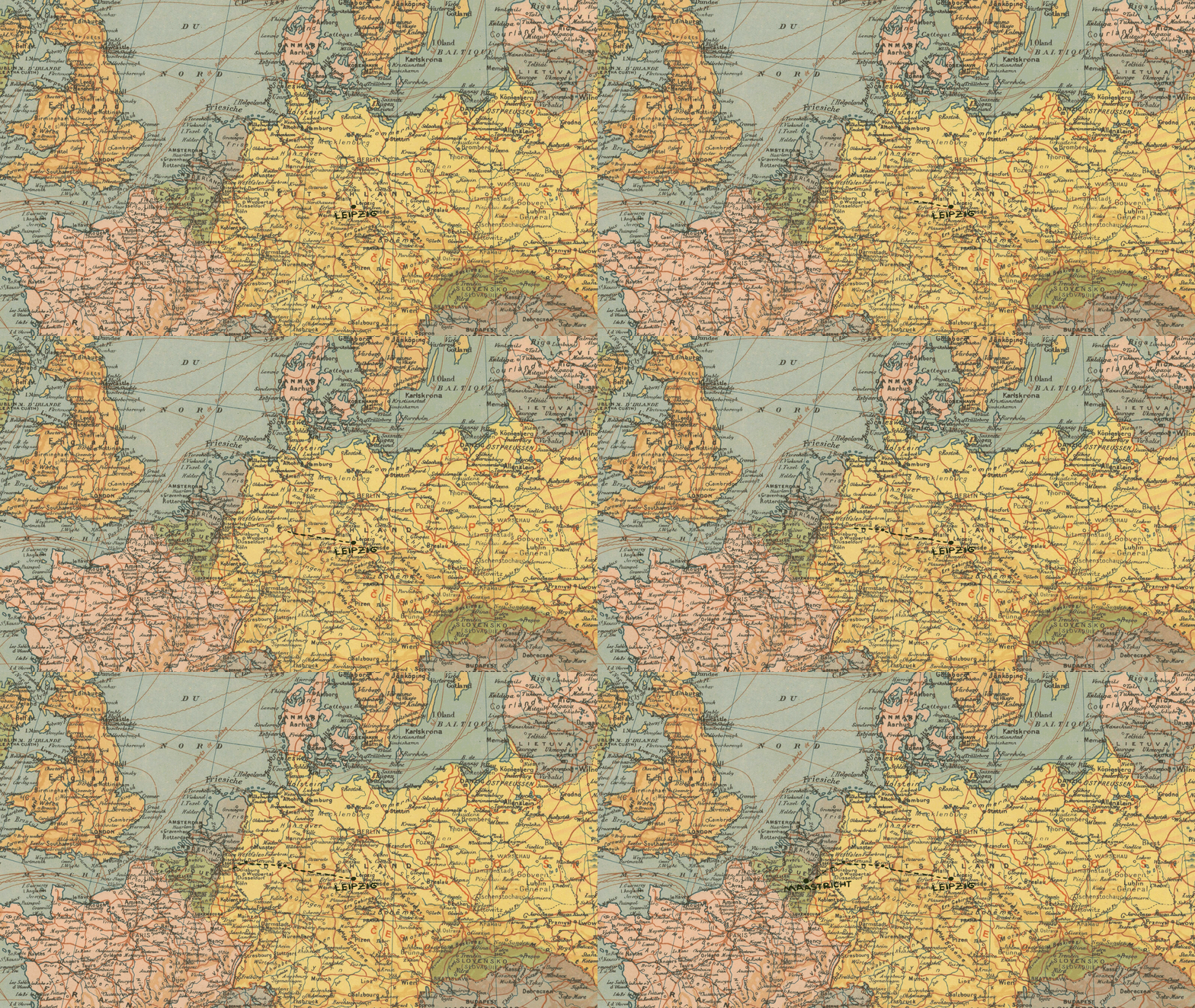
Bibliothèque Nationale de France, Public Domain
Six nights later, on 21 June, we left Leipzig on a train for the Netherlands.
© Alamy, ID 2K1999C
What I especially remember from this trip are the houses we saw in Kassel, the city where Marion was born. Weiter
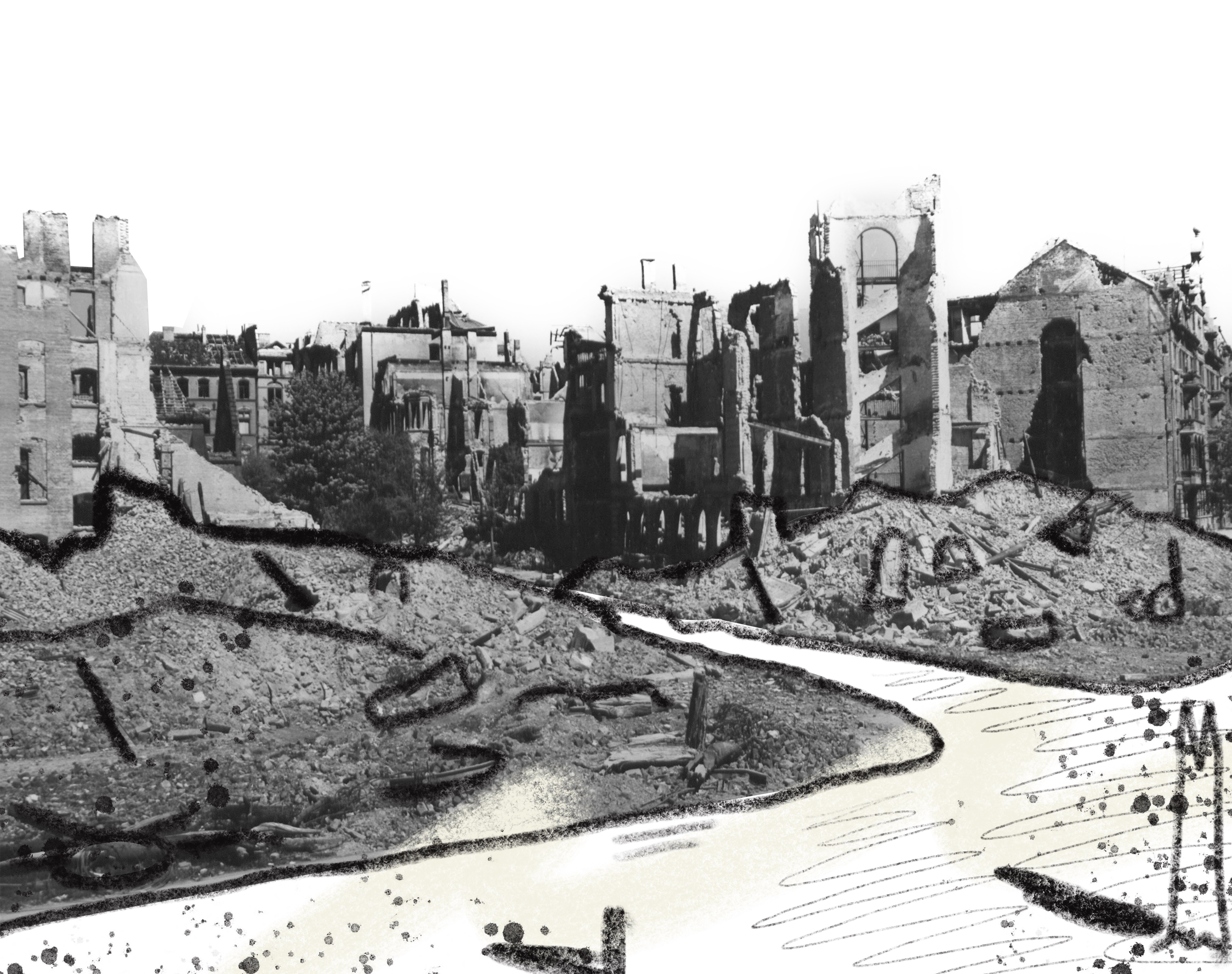
These houses looked like dollhouses, without facades. They were probably destroyed in the blast from the bombs. Furniture still stood in the rooms, and pictures hung on the walls.
From the city of Dortmund, I remember another image: a wide field with railway tracks and, in the middle, a pillar with a sign dangling in the wind that read “Dortmund Hauptbahnhof” (Central Station) with no other nearby buildings; evidence of the destruction of the war.
Two days later, on Saturday, 23 June, we arrived in the city of Maastricht in the south of the Netherlands.
How were the former prisoners processed after arriving in the Netherlands?
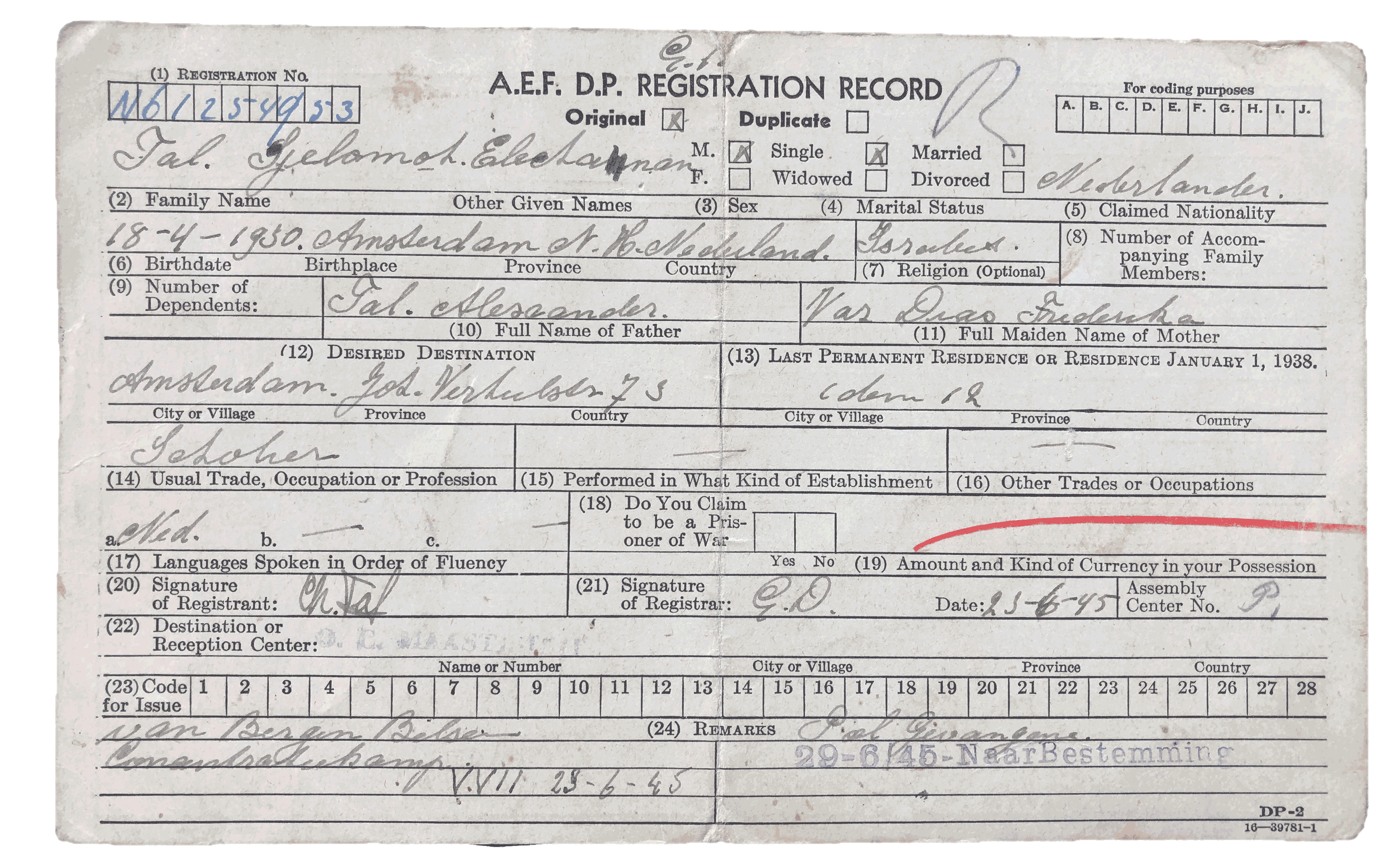
In Maastricht, the survivors were registered as Displaced Persons (D.P.s). Their personal details and information about their persecution were recorded. They had to state where they wanted to travel to next and underwent a medical examination.
© Private property of the Tal family
Transcription
Registration Number N61254953, Original
Family Name: Tal, Other Given Names: Sjelomo Elchanan
Sex: M[ale], Marital Status: Single
Claimed Nationality: Netherlands
Birthdate: 18-4-1930, Birthplace: Amsterdam, Province: N.H. [North Holland], Country: Netherlands, Religion (Optional): Israelite
Full Name of Father: Tal, Alexander, Full Name of Mother: Vaz Dias, Frederika
Desired Destination: Amsterdam, Joh. Verhulststr. 73
Last Permanent Residence or Residence January 1, 1938: idem
Usual Trade, Occupation or Profession: Student
Languages Spoken in Order of Fluency: Neth(erlands)
Signature of Registrant: Ch. Tal, Signature of Registrar: G.D.
Date: 25-6-45, Assembly Center No.: P
Destination or Reception Center: […] Maastricht
Remarks: from Bergen-Belsen Concentration Camp,
[Arrival:] 23-6-45, Pol[itical] Prisoner, [Departure:] 29-6-45 To Destination
In Maastricht, we were in lockdown for medical examinations and registration of ‘Displaced Persons cards’. Weiter
How was the Tal family received in Amsterdam?
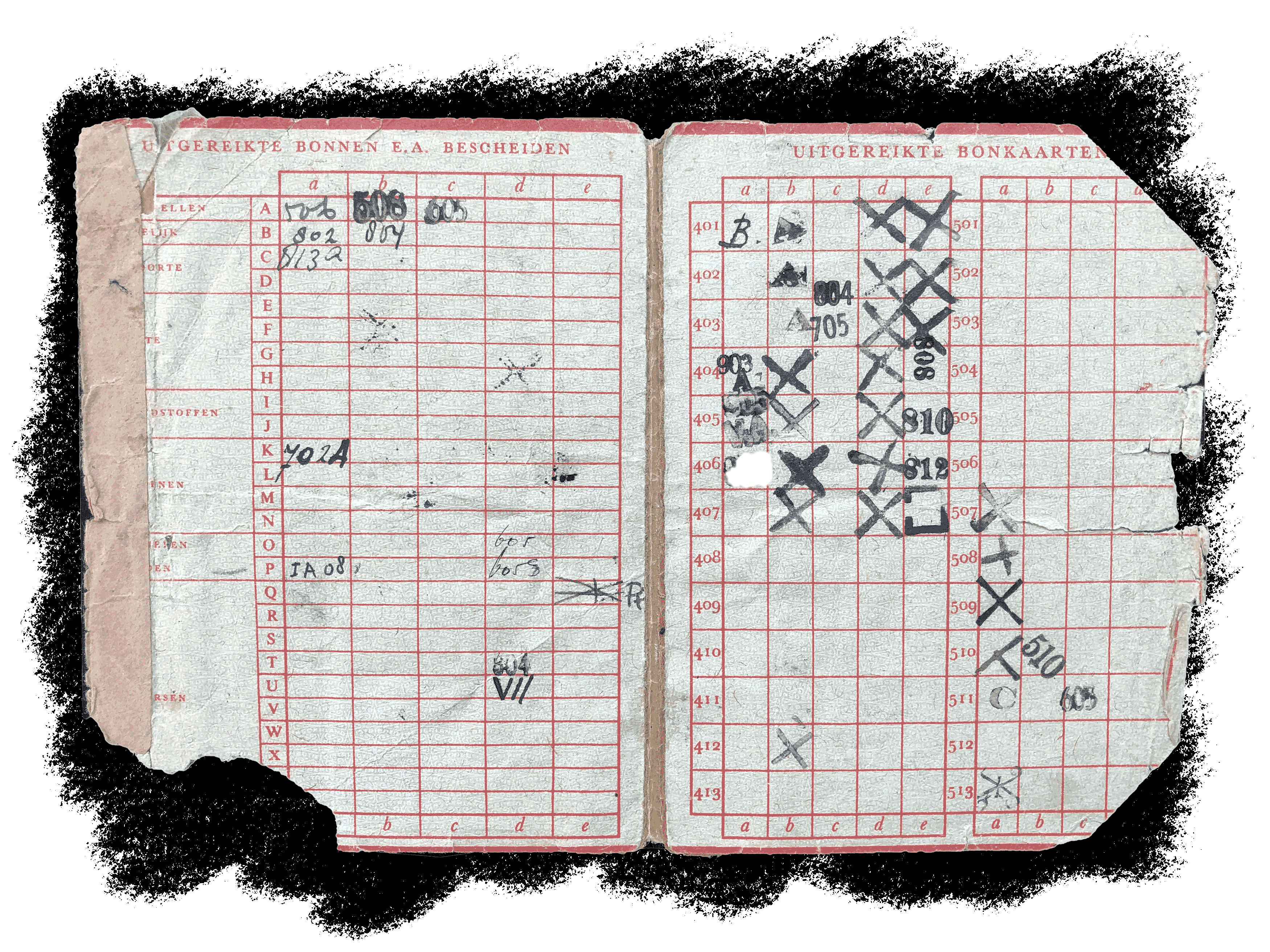
Upon arrival in Amsterdam, the family members had to identify themselves with their Displaced Persons papers. They were examined and registered again. They also received vouchers for rationed goods.
Stadsarchief Amsterdam, No. KAVB00031000001, copyright-free
Stadsarchief Amsterdam, No. 010009004320, copyright-free
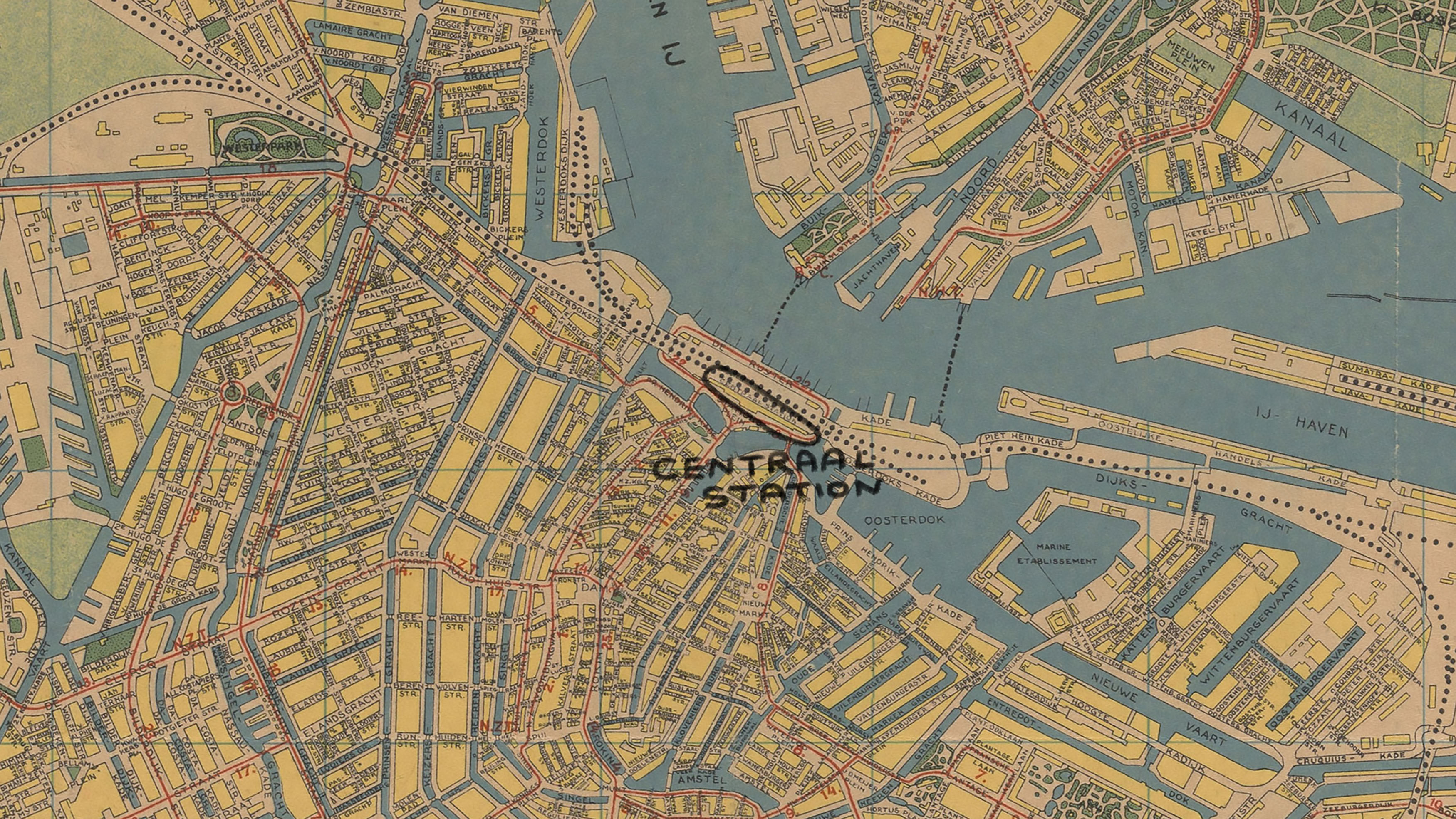
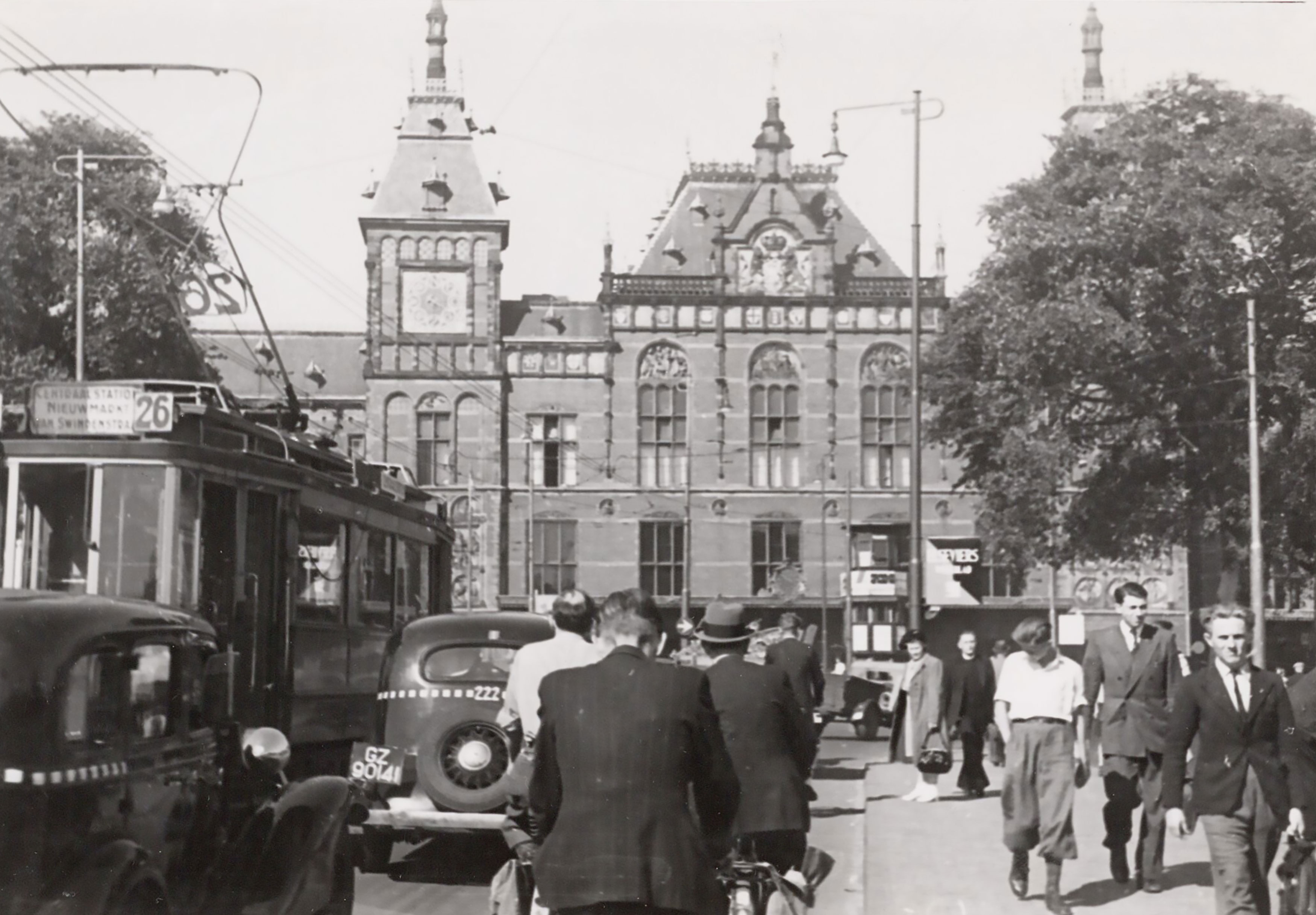
On Friday, 29 June, we were driven by truck to Amsterdam’s Central Railway Station. Weiter
They couldn’t take us there by train because the railway bridges across the great rivers, which divide the Netherlands between north and south, had not been repaired yet.
We were received in a large waiting room at the train station.
They checked the “Displaced Persons cards”, conducted a final medical examination, and filled out a card for us as “Returnees to the Homeland”.
© Private property of the Tal family
They gave us coupons for all the things that were rationed. Weiter
At the end of the tedious bureaucratic process, we picked up our meagre luggage and headed for our temporary residence.
Where did the Tal family stay in Amsterdam?
Stadsarchief Amsterdam, No. KAVB00031000001, copyright-free
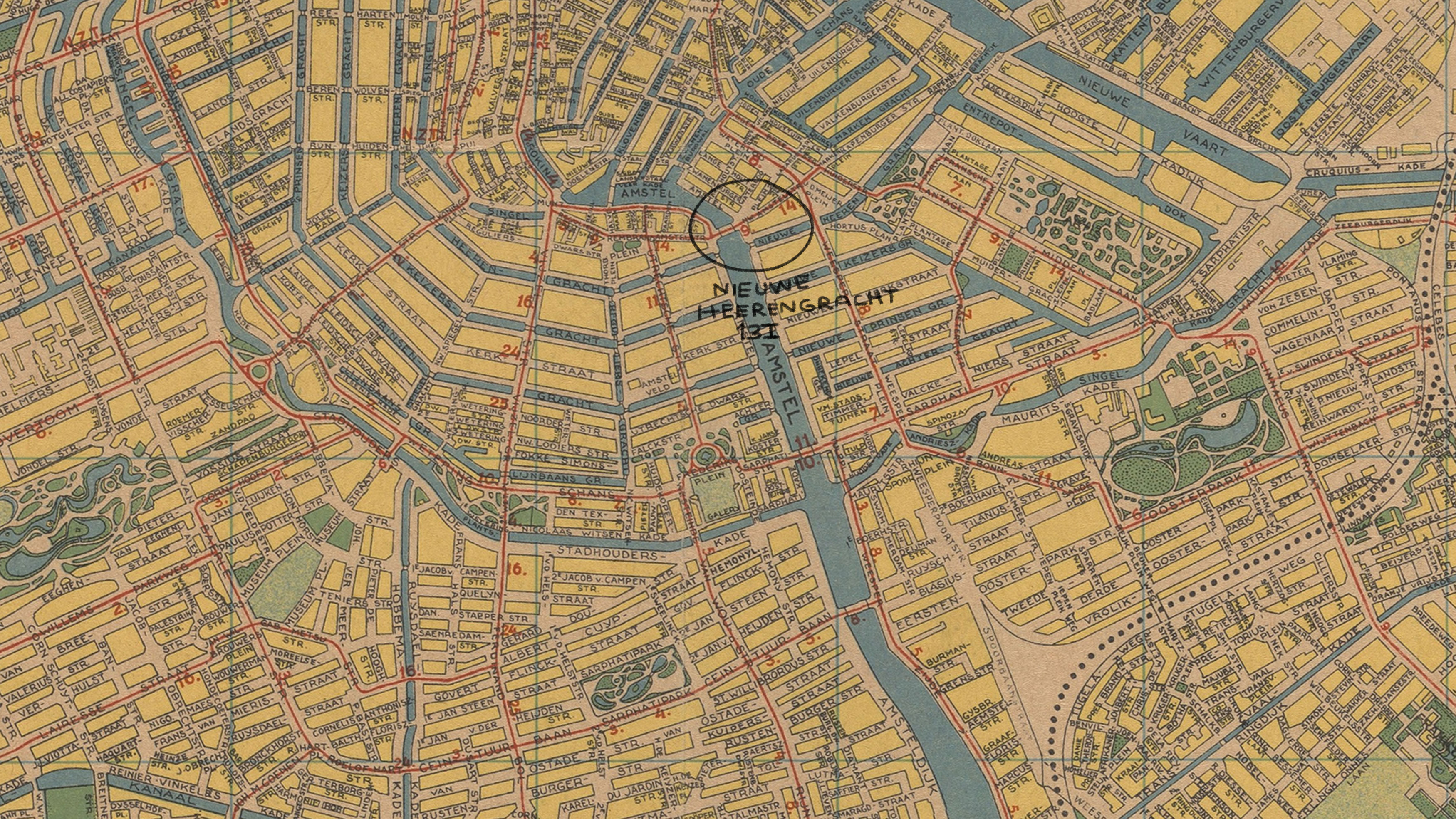
The family members found accommodation with friends and acquaintances. Sometimes they stayed there for only a few days, but sometimes for weeks or even months. Fré Tal didn’t find a flat for the whole family until the end of 1945.
© Stadsarchief Amsterdam, No. 010009011127
Mother understood that we couldn’t go back to the house where we lived before we were deported. Weiter
I don’t remember how long we stayed with the friends who first housed us. Weiter
It was no more than a week, but apparently, our stay at their home caused tension. When Mother was asked how long we were thinking of staying with them, she announced on the spot: “Until tomorrow morning,” and so it was.
We left, even though we had nowhere to live as a family.
What problems did the returnees encounter?
Stadsarchief Amsterdam, No. KAVB00031000001, copyright-free
The returnees had been robbed of almost everything. They mourned their murdered family members, friends and acquaintances. They also had to rebuild their lives economically.
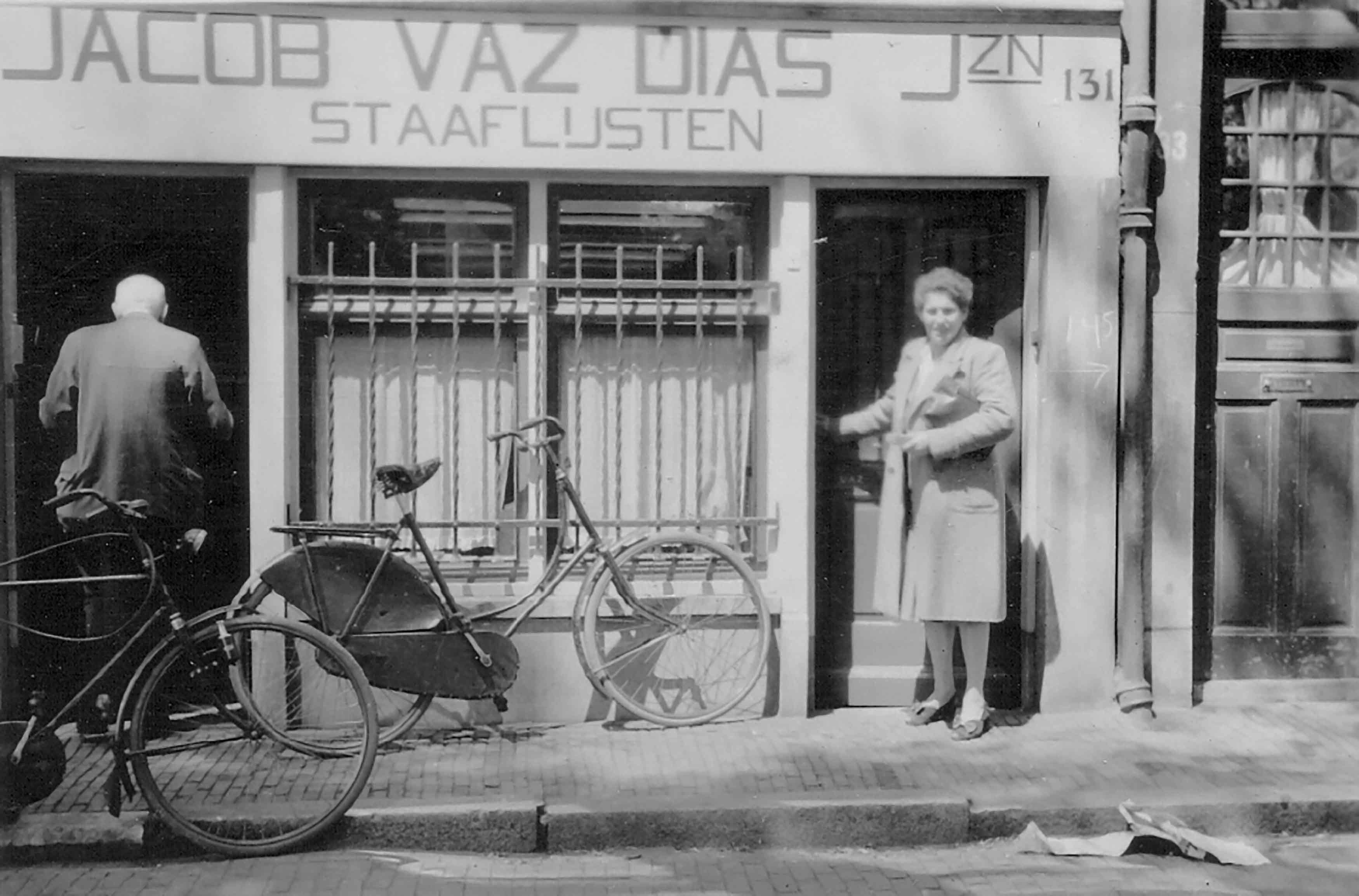
© Private property of the Tal family
Going back to Holland was hard. Weiter
Most of the family, friends and acquaintances from before the deportation were no longer alive, and we missed them. We still didn’t have a house, and there was no money.
We had to rebuild a life.
To establish an economic basis for the family, Mother decided to revive and restart the family trading house for picture framing materials, which Father had run, and which was robbed and destroyed by the Nazis.
At the same time, some of the Dutch were affected by antisemitic Nazi propaganda and not everyone was happy to see us back. The authorities did not recognise our special and immediate needs very much, and the reception was bureaucratic and chilly. But we must not forget that the Dutch had also suffered badly during five years of Nazi rule with terrorism and looting.
Did the young survivors return to school?
Marion, No’omi and Chanan had not attended school since their arrest in September 1943. They had lost two years and now had to catch up.
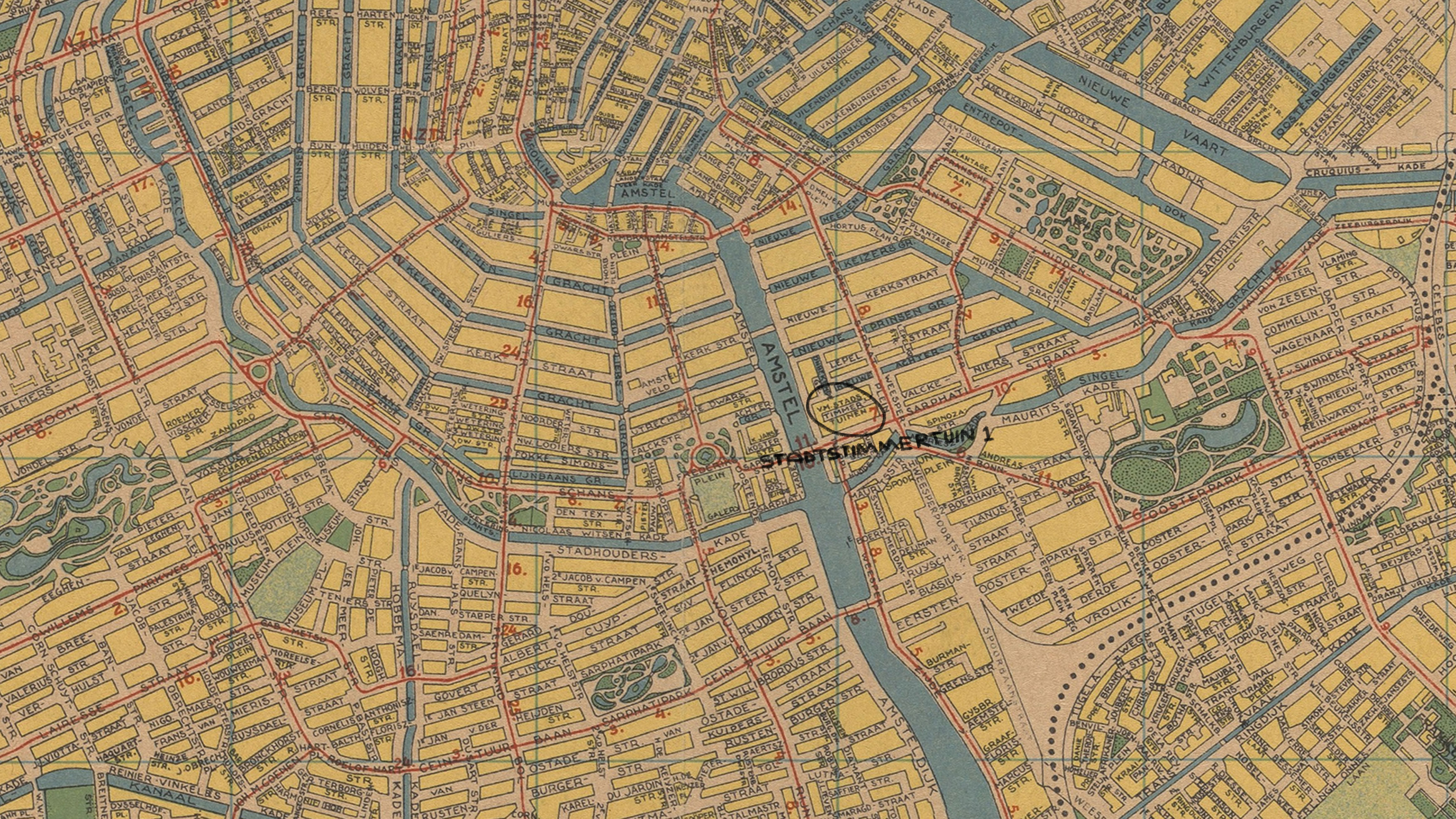
Stadsarchief Amsterdam, No. KAVB00031000001, copyright-free
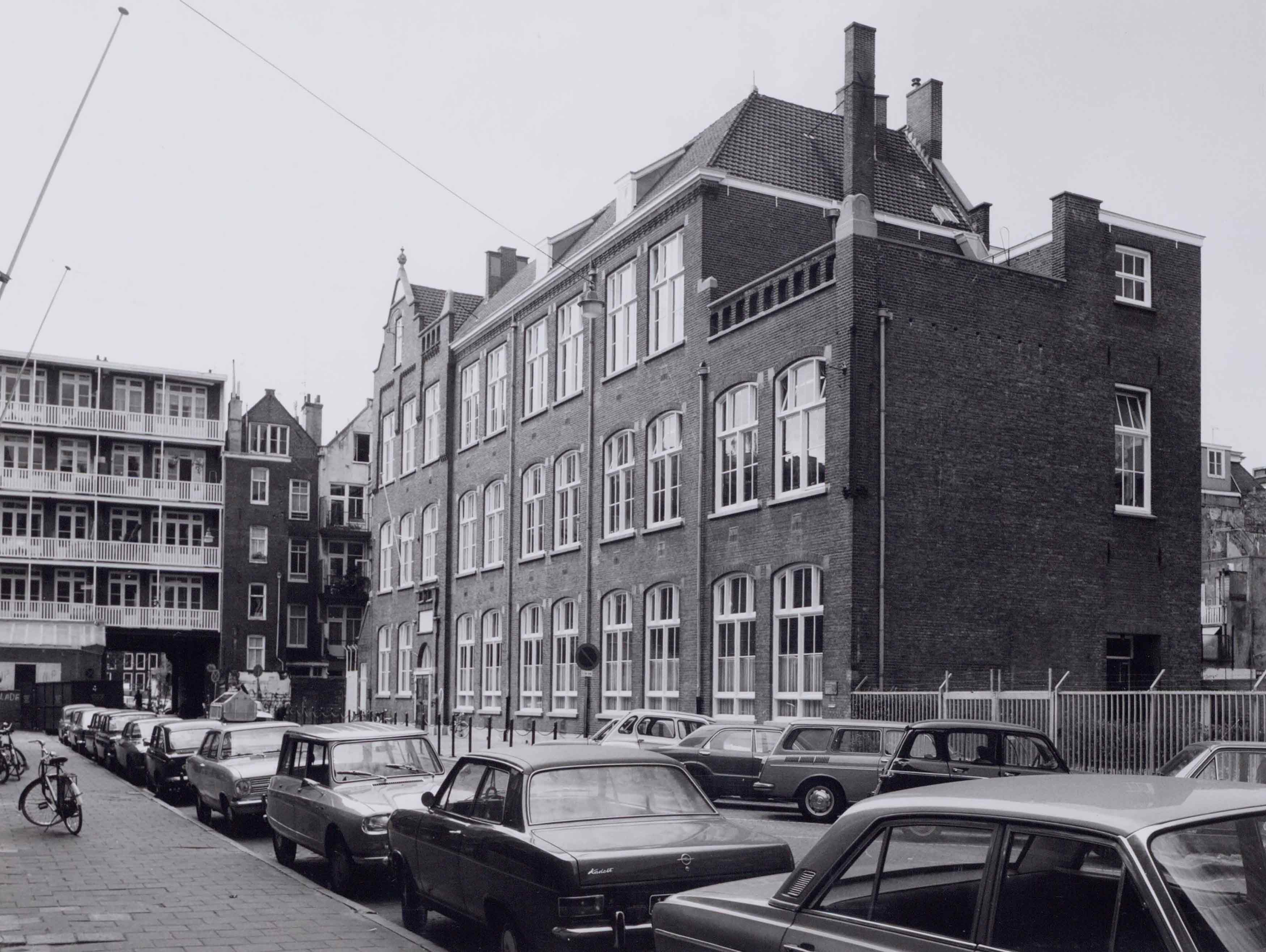
© Stadsarchief Amsterdam, No. 010122023447
In September, we went back to school. Weiter
Marion enrolled in a course for secretaries and worked with Mother in the business, Chanan went to a special high school that allowed him to bridge the gap in his studies, and I attended a Montessori school where I was allowed to prepare for high school within one year. I felt foreign there, very different from everyone else after the war.
The Municipality of Amsterdam established a special high school for youth who had returned from the camps or from hiding. Weiter
That is where I studied and managed to fill in the blanks. Another unexpected advantage was the atmosphere among the posttraumatic group of youngsters at the school. Many had a strong need to talk about what they had experienced; a sympathetic ear was always found, and the conversations that took place were a kind of “do-it-yourself” psychotherapy.
Why did Annelie not return to Amsterdam until August 1945?
Annelie and her seriously-ill brother Joost were sent from Leipzig to the Netherlands by ambulance train. They were unexpectedly taken off the train in Liège. Joost was offered hospital treatment there.
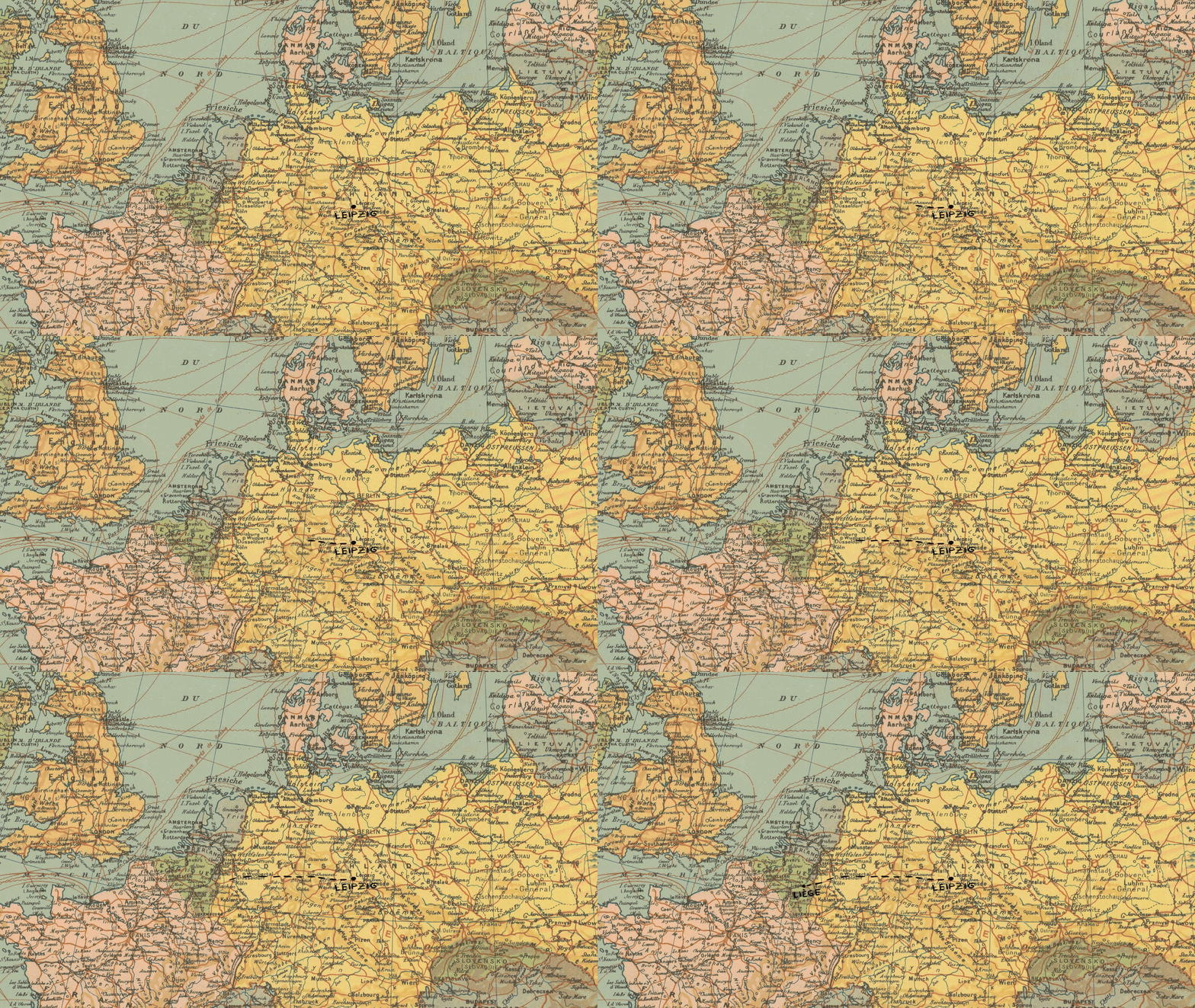
Bibliothèque Nationale de France, Public Domain
My brother Joost, who was 17 years old, had dysentery and tuberculosis and weighed only 21 kilogramme.
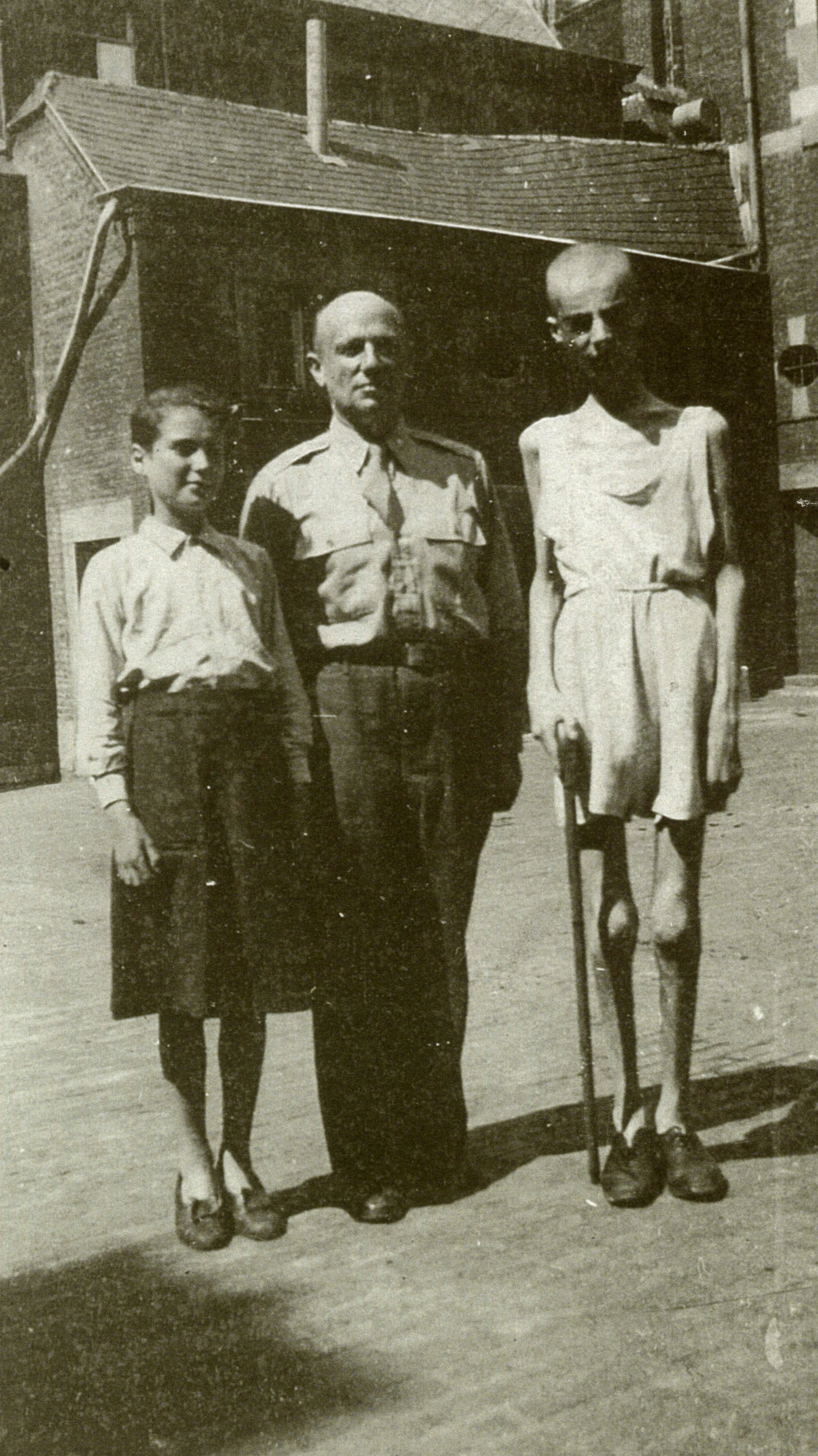
© Ghetto Fighters’ House Museum, Israel / Photo Archive, Catalog No. 63897 A
We stopped in Liège, Belgium, and Joost and I were unexpectedly taken off the train by an officer working for UNRRA. Weiter
When the officer saw Joost, he said: “This should be photographed, because otherwise no one will believe me!” The officer’s name was Benjamin Elzas, a Jew who knew the Levenbach family by name. Officer Elzas was exceptionally good to us. He knew that the situation in the Netherlands after the war was much worse than in Belgium, so he took us off the train.
Joost could get better care at the hospital in Liège. I was housed in a refugee rehabilitation centre. Weiter
Women came there directly from Auschwitz and other camps, and of course, they talked all the time about their terrible experiences. Not exactly what I needed at the time, I was very unhappy and lonely.
During the day, I went to foster care. The man, Mr Reintis, spoke Flemish and was very nice and empathetic. His young wife only spoke French and probably didn’t know what to do with me. She tried her best, but she had no understanding of the war and the camp. I didn’t like being with her. In the afternoon, I went to the hospital to visit Joost. In the evening, I returned to the refugee centre.
Who brought Annelie to Brussels in the summer of 1945?
Friends of the Levenbach family lived in Brussels. They had heard that Annelie and Joost were in Liège and took Annelie to their home. Joost was taken to a hospital in Brussels.
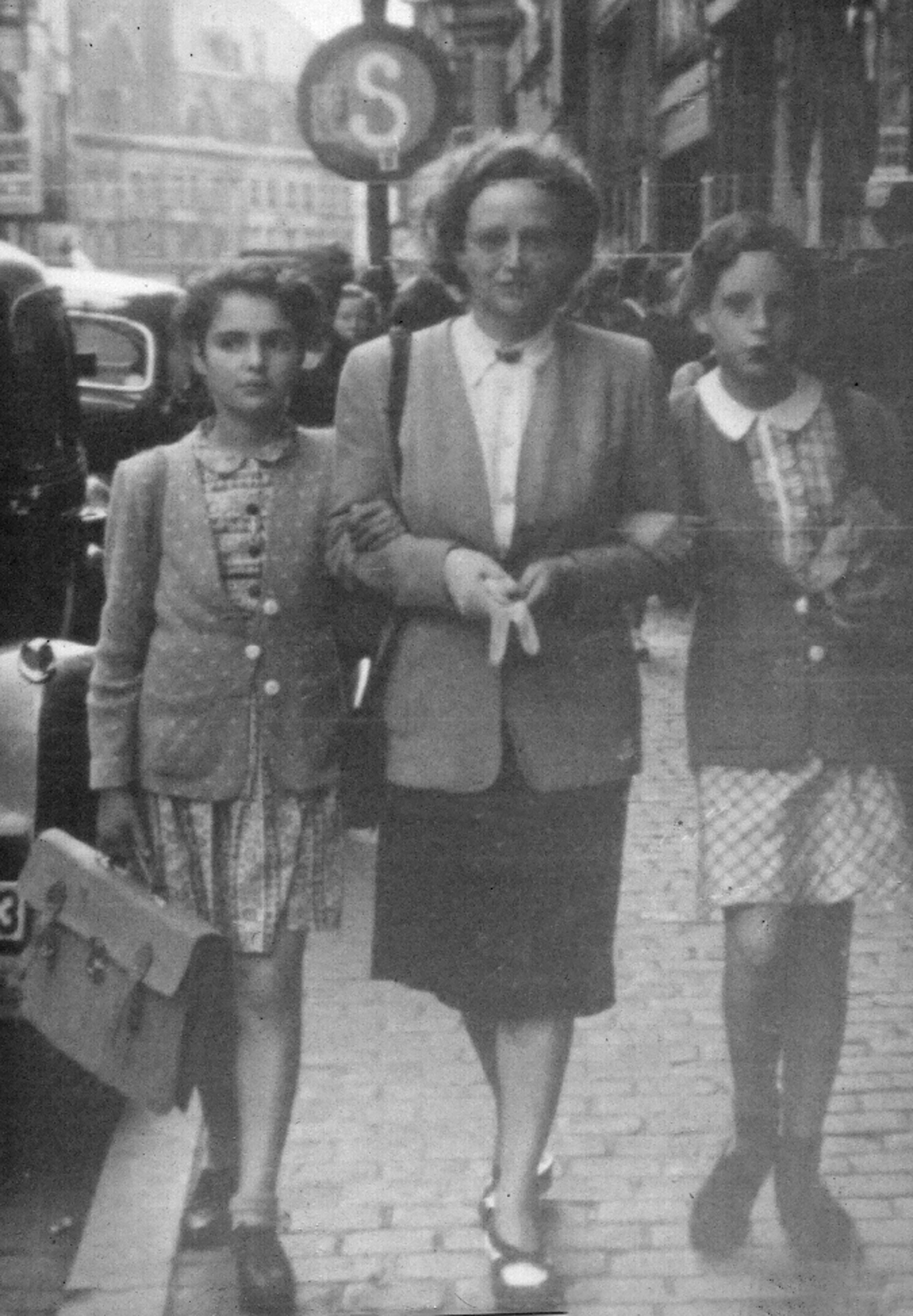
© Private property of the Tal family
After about a month, all this was over. Weiter
Joost contacted a notary in Amsterdam, as Mother had instructed us to do should we be left alone. This is how the friends of my parents, Greet and Karel Edersheim, who fled to Brussels at the beginning of the war, learned of our existence and how they came to pick us up. They had hidden with their twelve-year-old daughter, Jet, in Brussels and had not yet returned to the Netherlands at that time.
Joost was taken by ambulance to a Brussels hospital, and I arrived at the home of our parent’s friends Greet and Karel Edersheim. I had a good time there.
Two months later, I returned to the Netherlands, to my aunt Bertha’s house.
I began to go to school again, which I had been longing for, for nearly three years.
Where did Annelie live after her return to the Netherlands?
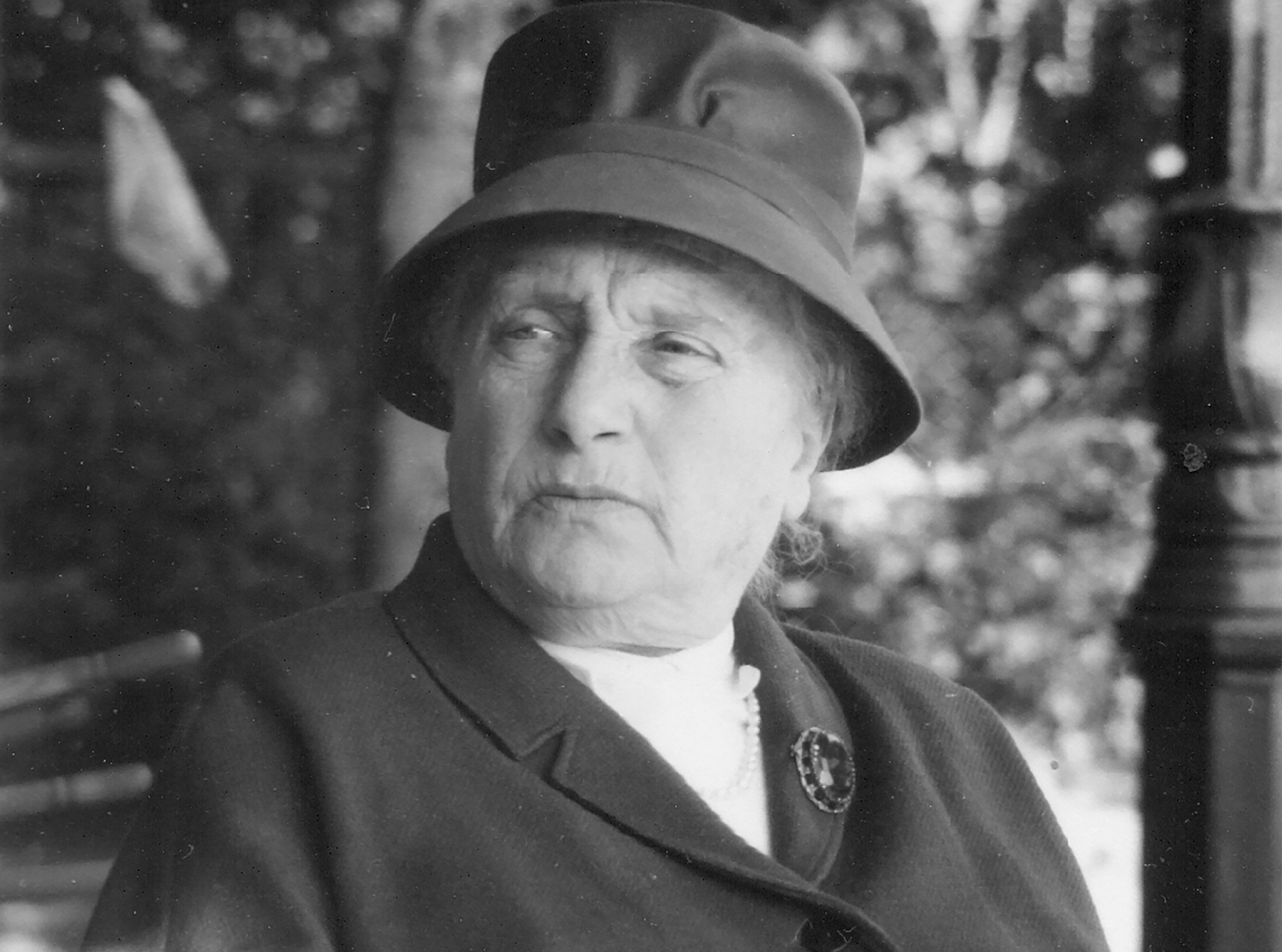
Annelie lived in Amsterdam with her mother’s sister, Aunt Bertha. Her sick brother Joost spent two years in a sanatorium. After that, he moved in with Aunt Bertha and Annelie.
Stadsarchief Amsterdam, No. KAVB00031000001, copyright-free
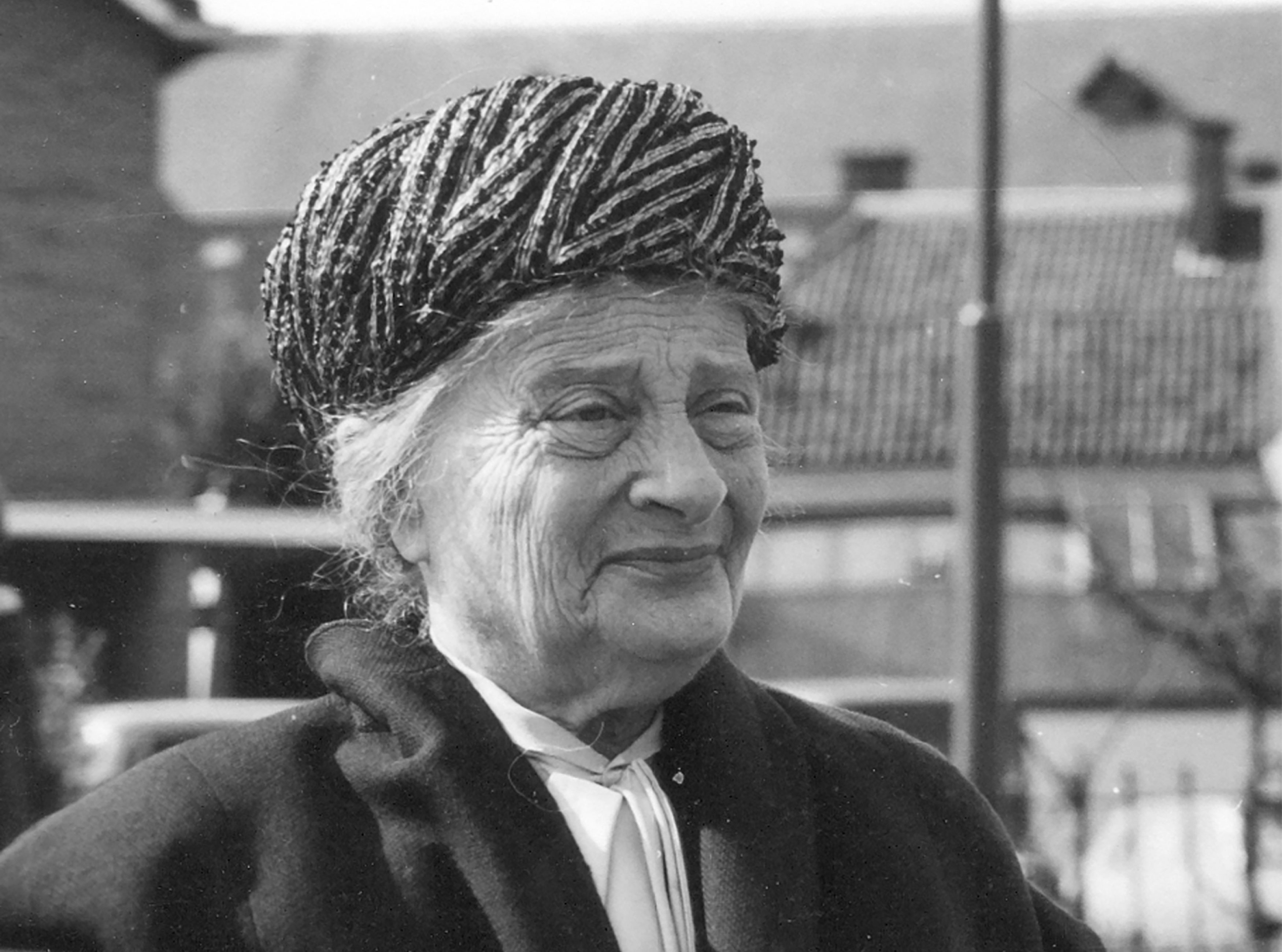
© Private property of the Tal family
© Private property of the Tal family
Annelie’s mother had two sisters, Annie and Bertha Goudeket. They went into hiding at the end of 1942, survived the Holocaust and returned to Amsterdam after the liberation of the Netherlands.
When we arrived in Belgium at the end of June 1945, it was clear to the aunts that we would come to live in Aunt Bertha’s house as soon as we could get back to Amsterdam. Weiter
Aunt Bertha could not have been more helpful. After the war, there were so many arrangements to be made and everything was still so difficult: Joost had to go to the sanatorium, a school had to be arranged for me, a flat had to be rented, and also many administrative arrangements, for example settling the parents’ estate. It wasn’t easy with me either; I was a teenager and had gone through many difficult years.

Stadsarchief Amsterdam, No. PRKBB00478000002, copyright-free
I lived with Aunt Bertha and despite her efforts to give me a good life, I was lonely and miserable and missing my family.
© Private property of the Tal family
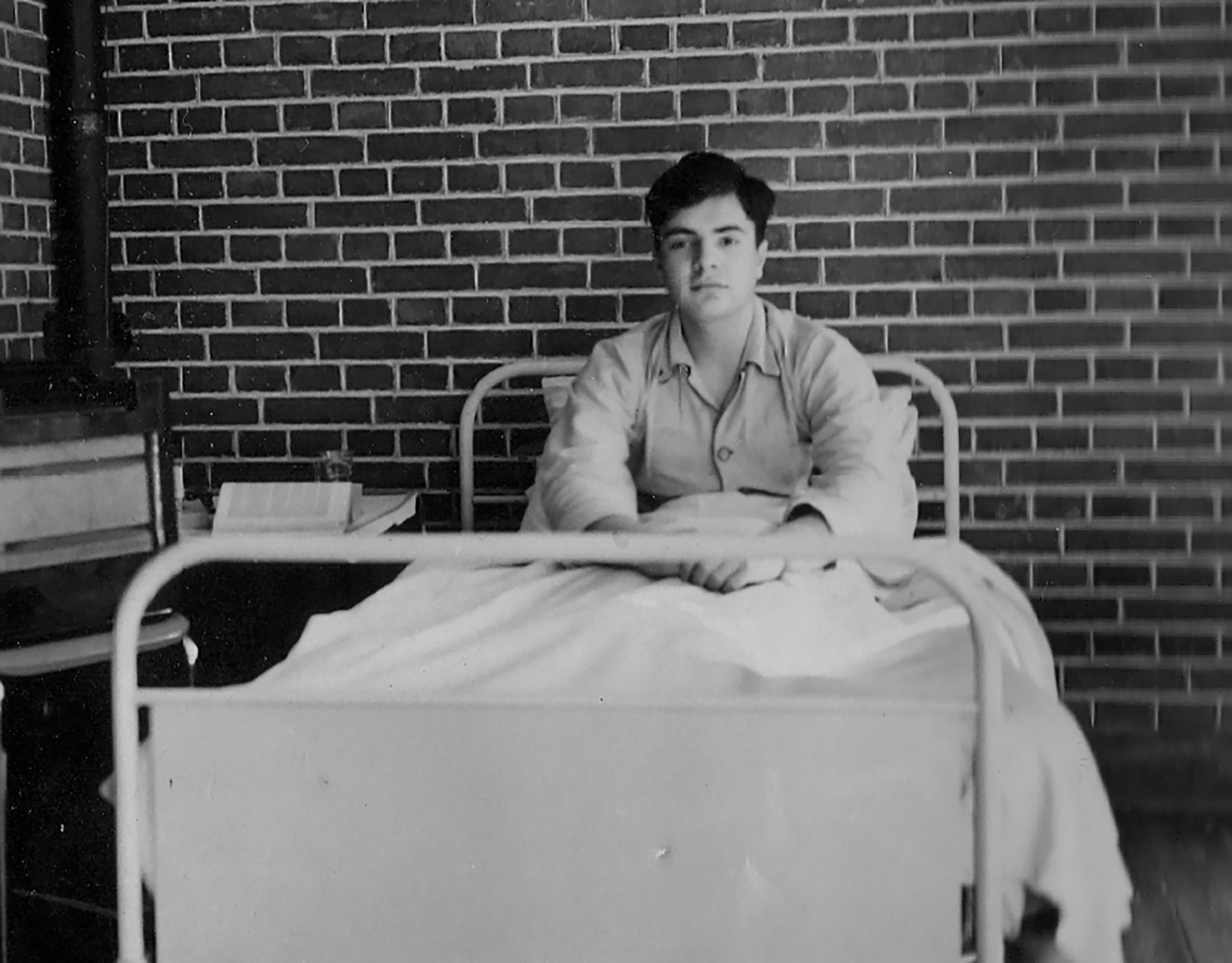
Joost stayed at the Jewish Hospital in Amsterdam until he was admitted to the sanatorium. Weiter
He ended up staying at the sanatorium in Doorn for two years, until he recovered from tuberculosis.
On Sundays, we took turns, me or one of the aunts, visiting Joost at the sanatorium. Near the end of the war, the trip took a whole day. The shortage of trains and buses and a scheduling mismatch extended the journey.
Two years later, Joost joined us. My life changed for the better. Weiter
During the other two years that we lived with Aunt Bertha, we went to our different schools together. There was again conversation around the table, Joost played the piano, and we heard a lot of music. Since we had been in the camps together, we shared many sad memories and were very close.
Where was the Reiner family at the end of the war?
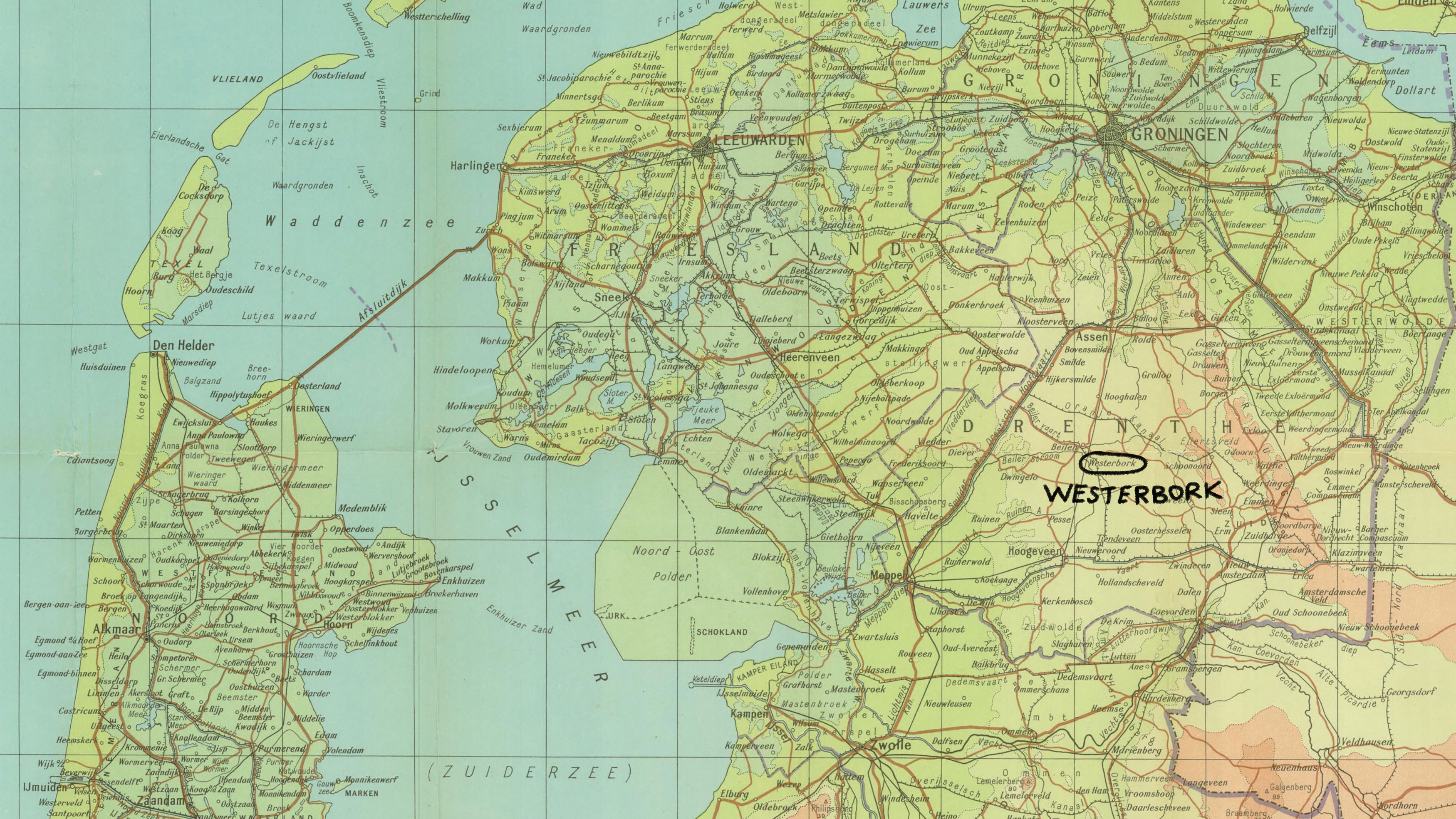
The survivors of the Reiner family were liberated from Westerbork camp in April 1945. However, Lou Reiner, her two sons, Ab and Marco, and her nephew, Sol Kimel, were not allowed to leave the camp.
© Collins Bartholomew Ltd.
Why did the Reiner family have to stay in Westerbork?
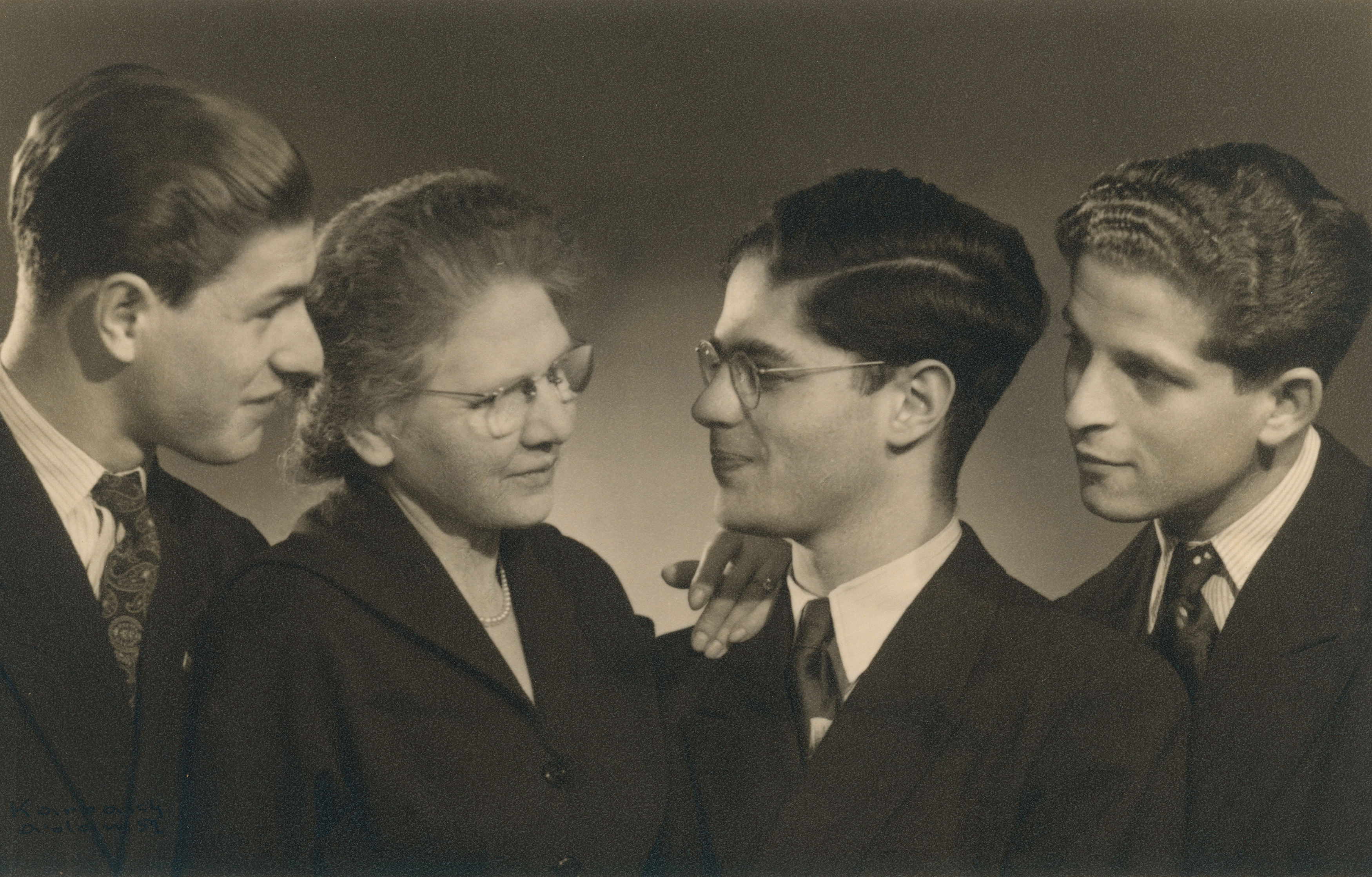
The Reiner family was considered stateless. In order to be released from the camp, Lou, Ab and Marco Reiner needed a residence permit for the Netherlands.
© Private property of the Rinat family
Germany surrendered on 8 May 1945, but we still couldn’t go back to Amsterdam. Weiter
There was a bureaucratic mess: Father had Austrian citizenship that changed to German citizenship after the “Anschluss” (annexation). He refused to get a German passport and instead applied for Dutch citizenship. The war broke out, and we were left without citizenship. Now we appeared on a list of those whom the Dutch authorities wanted to check for their civilian status. This matter caused a lot of frustration and anger.
We were allowed to get out of the camp a little bit...
One day I bought Mother flowers on a visit to a nearby village... I wanted to make her happy. The flowers were red. Happy. Mother was not happy with them. She couldn’t be happy.
We knew that Marco would turn 13 in June, and so was a Bar Mitzvah. We celebrated the Bar Mitzvah.
At the moment of truth, it was a very sad event. For all of us, but especially Marco and Mother, this status was very difficult and painful. The Bar Mitzvah ceremony was kind of a return to normal life. Almost normal. Like walking, but with a limp.
In the end, the Dutch confirmed our status as legal residents and allowed us to leave the camp.
How did the Reiner family fare upon their return to Amsterdam?
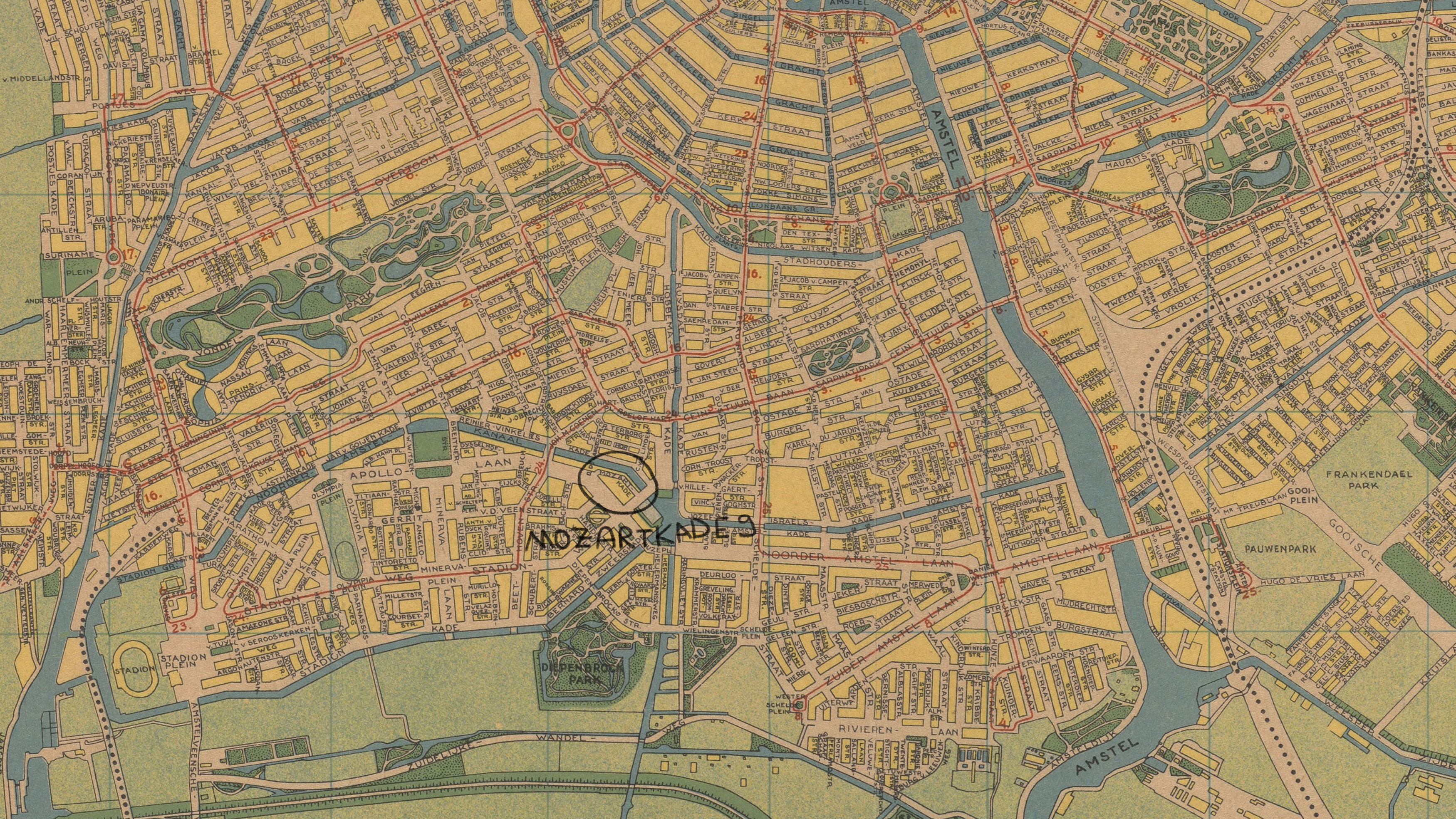
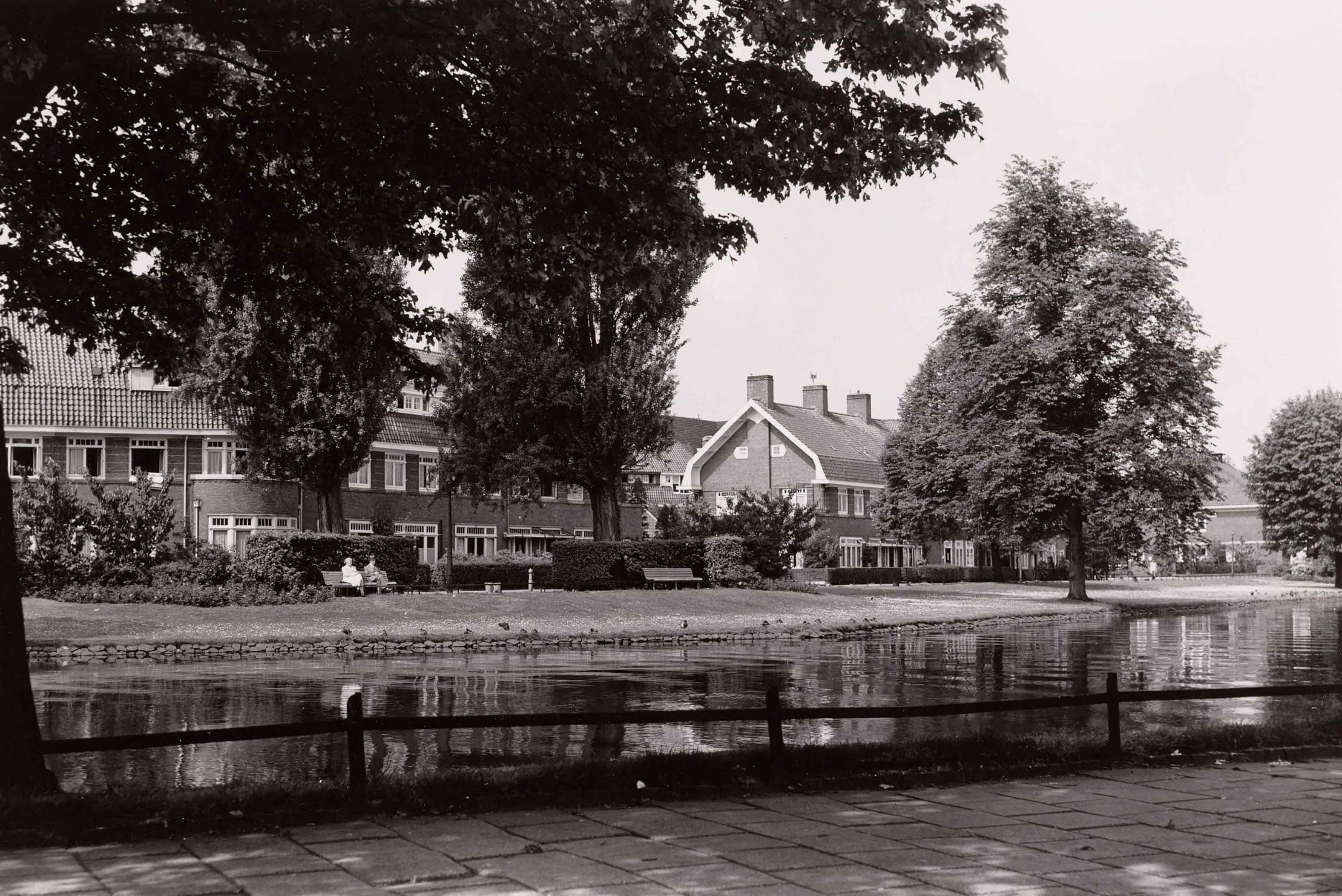
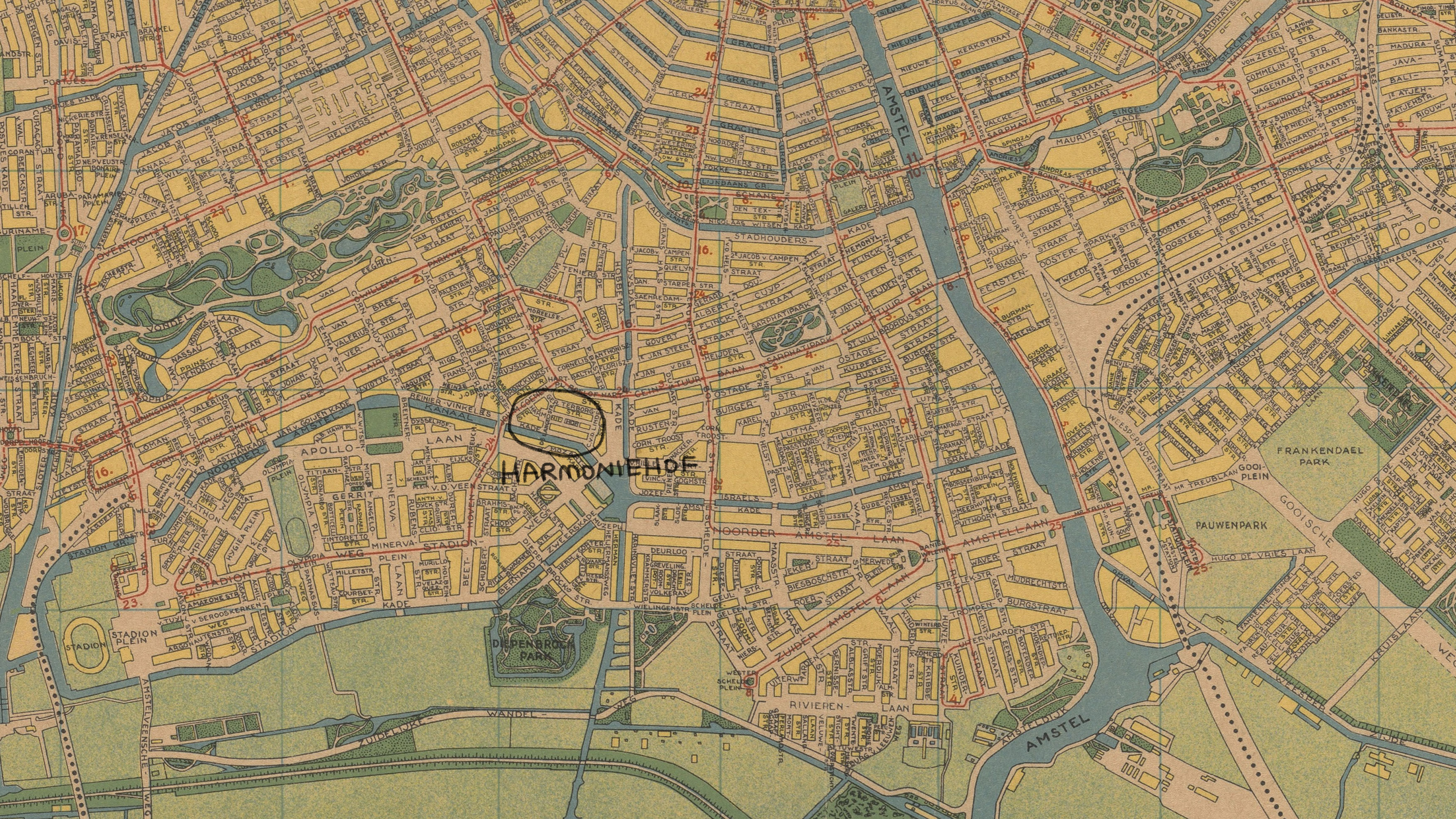
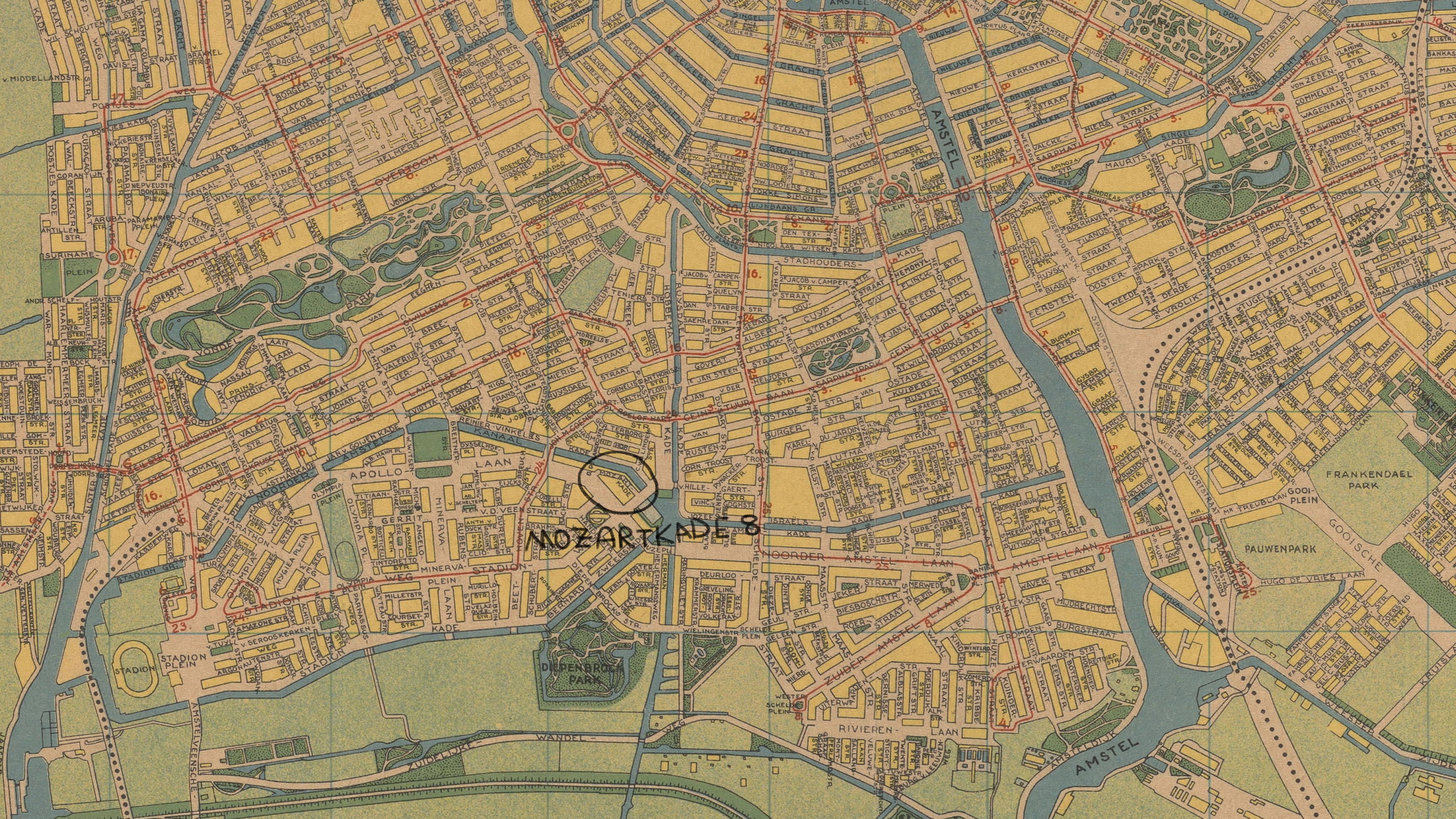
The Reiner family found accommodation with friends living at Mozartkade 8. They got back some of their belongings that former neighbours had kept for them.
Stadsarchief Amsterdam, No. KAVB00031000001, copyright-free
© Stadsarchief Amsterdam, No. 010009011127
We arrived at our former neighbour’s house, where Mom left things for safekeeping. Neighbour... we were troubled by her apparent lack of enthusiasm when she saw us. Weiter
She was not the only one; there was a great contrast between the expectations of those returning from the camps or hiding places and the cool reception they received, especially from government officials.
Of course, there were some who understood our hearts and tried to help. Another neighbour who had been keeping Mother’s favourite coat gave it back to her. Other neighbours gave us back a picture and we even got back the Meccano, our assembly and construction game. I remember carrying the heavy boxes to our new apartment.
How did the Reiner family cope with their grief?
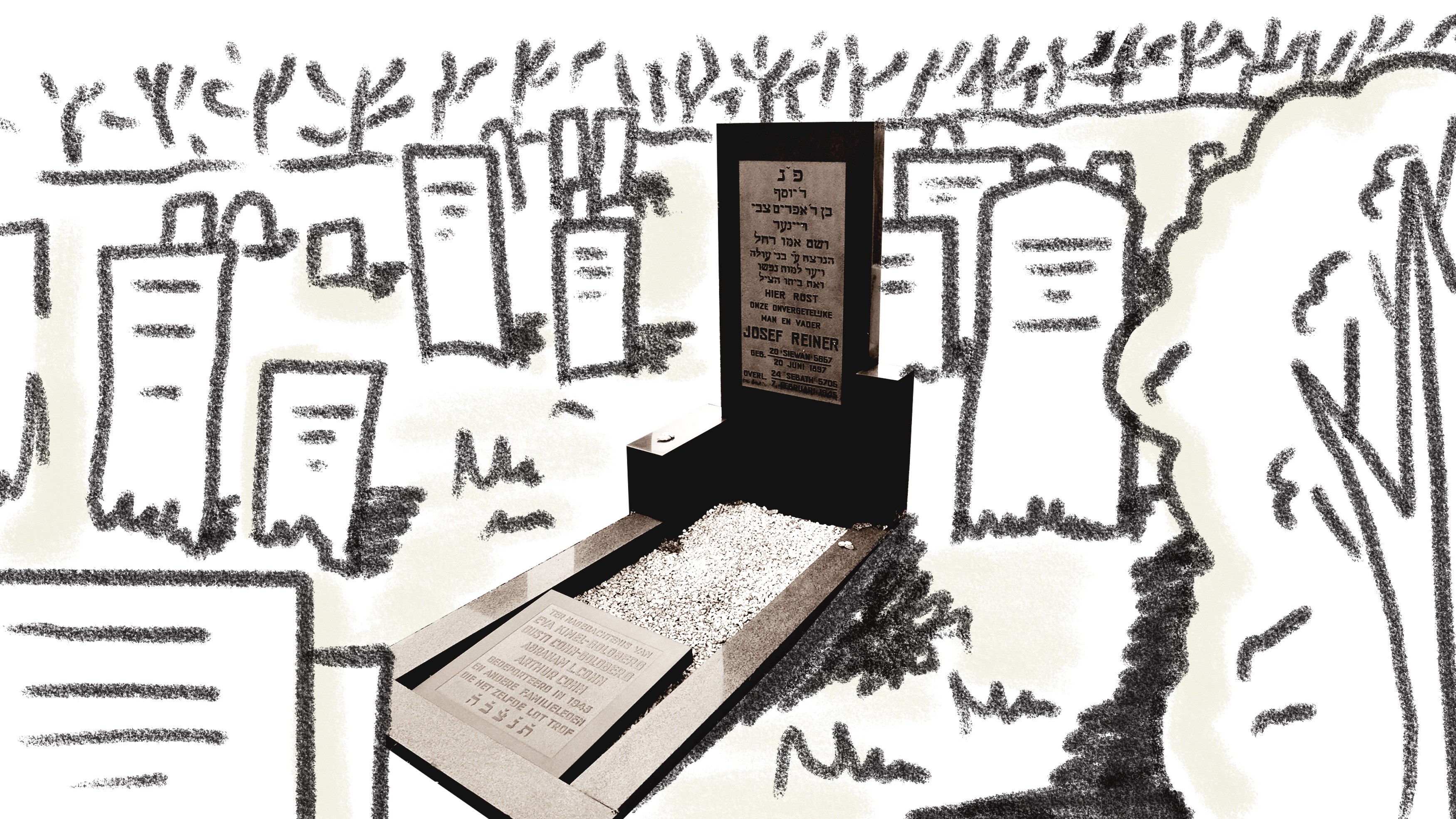
The family bid farewell to their murdered father at a ceremony at Muiderberg Cemetery in Amsterdam. Over time, they learned how many other relatives, friends and acquaintances had been killed. They hid their grief.
© Private property of the Rinat family
Transcription
Josef Reiner,
born 20 Siewan 5657 / 20 June 1897,
died 24 Sebath 5705 / 7 February 1945.
Shortly after the liberation, Uncle Moishe Obstfeld and a family friend planned how to bring Father’s body from Hollandscheveld to Amsterdam. Weiter
We were waiting at the funeral home in Muiderberg cemetery when Father’s coffin arrived, and a very respectable funeral was held by the Chief Rabbi of Amsterdam. I don't remember any eulogies. Sol, Marco and I said Kaddish and then drove home with other people who joined us.
I don’t know when we realised Aunt Eva wasn’t coming back. Weiter
There were rumours. We were afraid she wouldn’t come back. That there was no one to wait for. We knew very little about what had happened to her since the day she was taken to Westerbork. We knew she was sent from the camp to the East six months later, in May 1943.
Over time, we discovered that Aunt Gusti, Uncle Czarny, Arthur, and many others would not be returning. As the picture became clearer, it also became gloomier and the pain increased. We made sure to hide it so it wouldn’t disturb us.
Where did the young survivors meet?
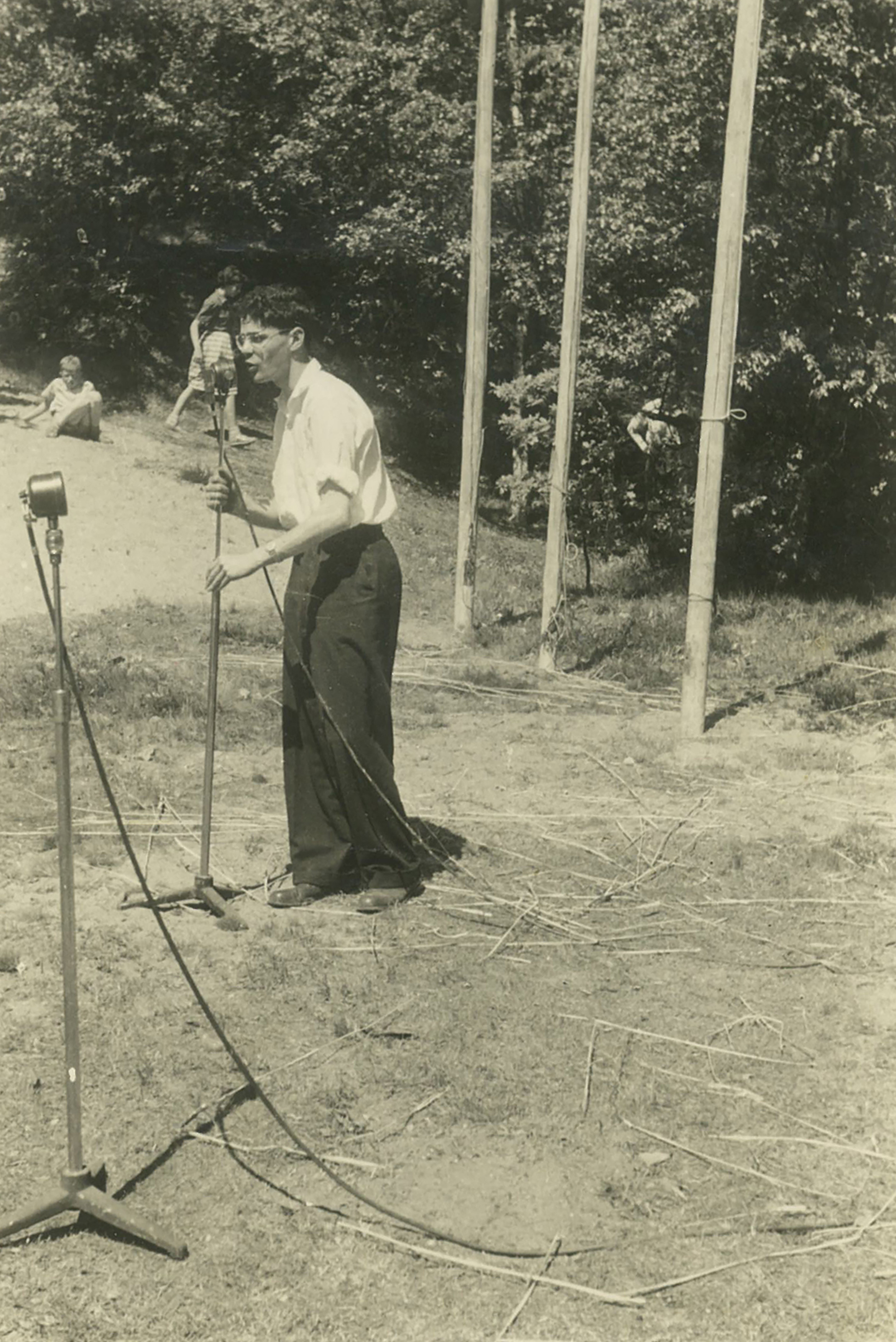
Chanan and No’omi, Annelie and Ab spent their free time together with other survivors. They were active in a Zionist youth movement that was re-established after the liberation of the Netherlands.
© Private property of the Rinat family
Every Saturday night, we held a meeting of the the Zionist youth organization ‘She’ar Yashuv’. Weiter
At these meetings, we found each other, young Jews. Everyone had their own story from the war. The talk of what everyone had gone through was short and factual. It was enough that we knew we were carrying a similar scar.
There was no need to elaborate, and the stories were limited to general details. We also recounted funny anecdotes from the old days, and after that we had fun. We were life-hungry young people. We wanted to commit ourselves to routine, to what life has to offer.
‘She’ar Yashuv’ means ‘the rest returns’ in Hebrew, a suitable name for a youth movement of Holocaust survivors. Weiter
On weekends we gathered and met friends. We heard lectures from leaders who came from Israel and sometimes from soldiers who served in the Jewish Brigade and were stationed in the Netherlands. We attended seminars and went to the movement’s summer camps.