




Bergen-Belsen

The Nazis deported thousands of Jews from occupied countries to the Bergen-Belsen concentration camp. They wanted to exchange these Jewish hostages for Germans who were in enemy countries, or for ransom money. The Tal and Levenbach families were both deported to the Bergen-Belsen “exchange camp” and hoped to reach freedom from there.
At that time, European Jews were already being systematically murdered. The Jewish hostages in Bergen-Belsen were also very much at risk. When they were of no further use to the SS, they were deported and murdered.
When were the first Jewish people deported from the Netherlands to Bergen-Belsen?
On 11 January 1944, 1,037 Jews were transported by passenger train from Westerbork to Bergen-Belsen, including the Tal family. From the railway ramp, the prisoners had to walk six kilometres to the concentration camp.
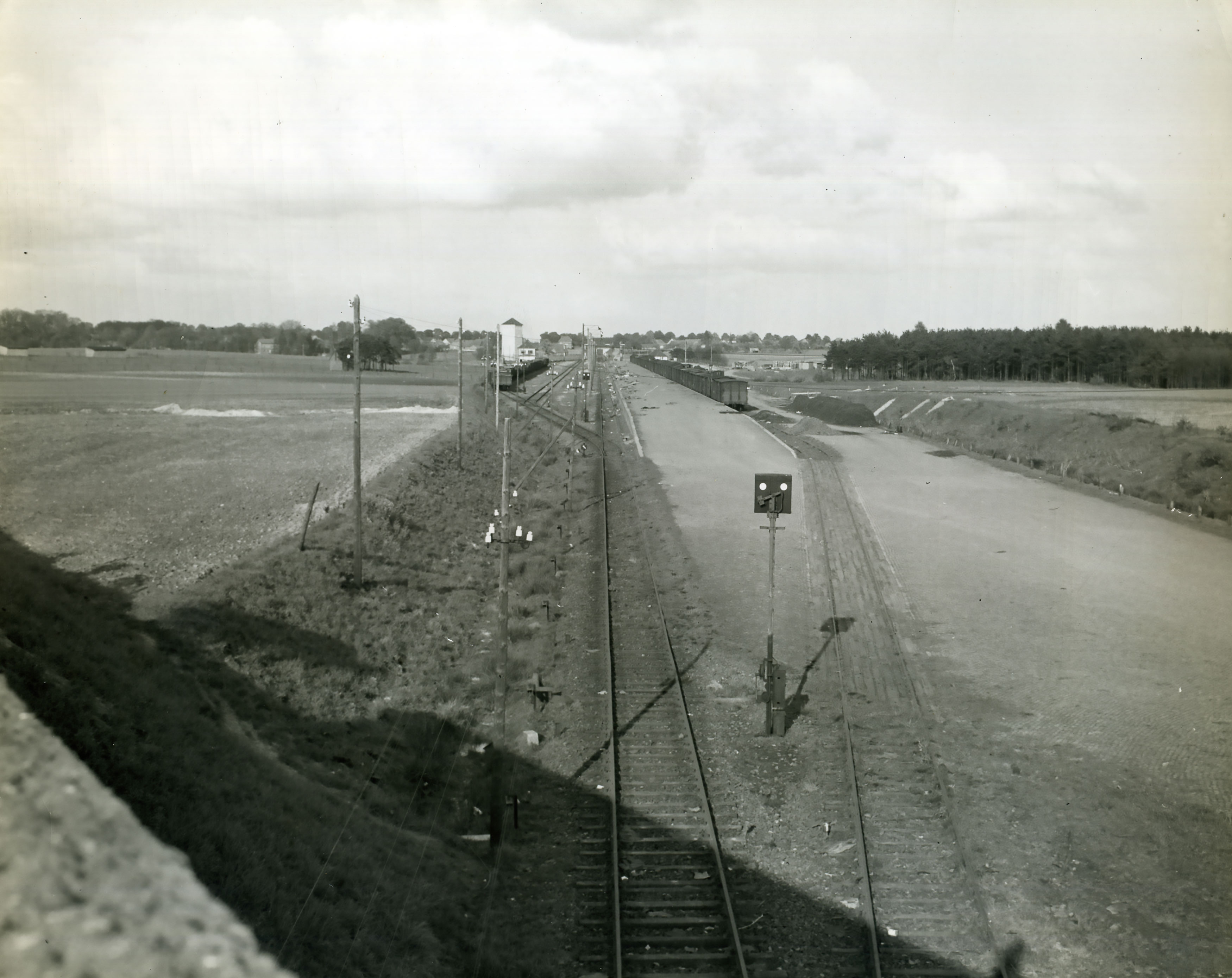
“It was cold and snowy and SS soldiers with guns and dogs were waiting for us on the platform. They shouted at us to hurry up and get off the train.”

© Private property of the Asscher family
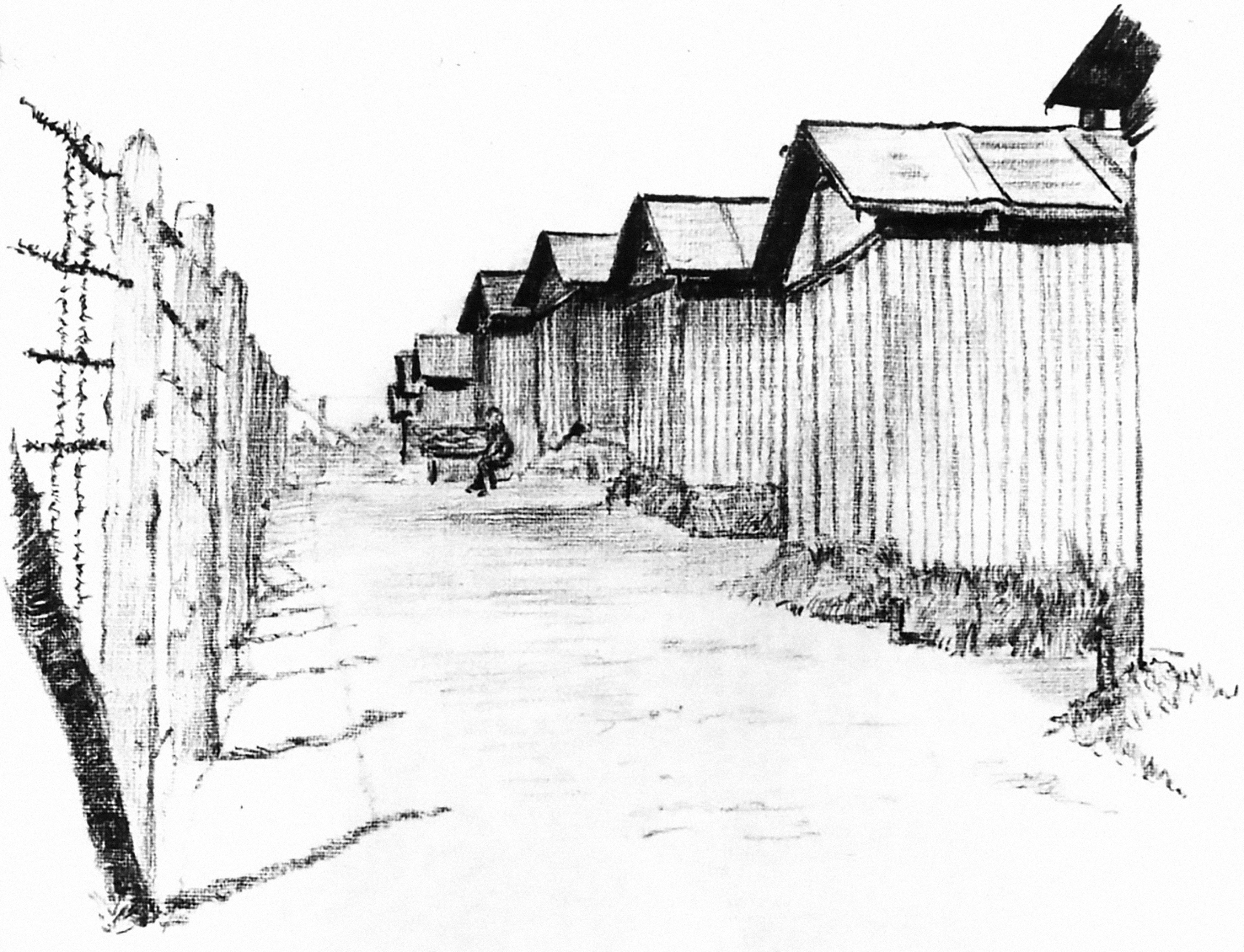
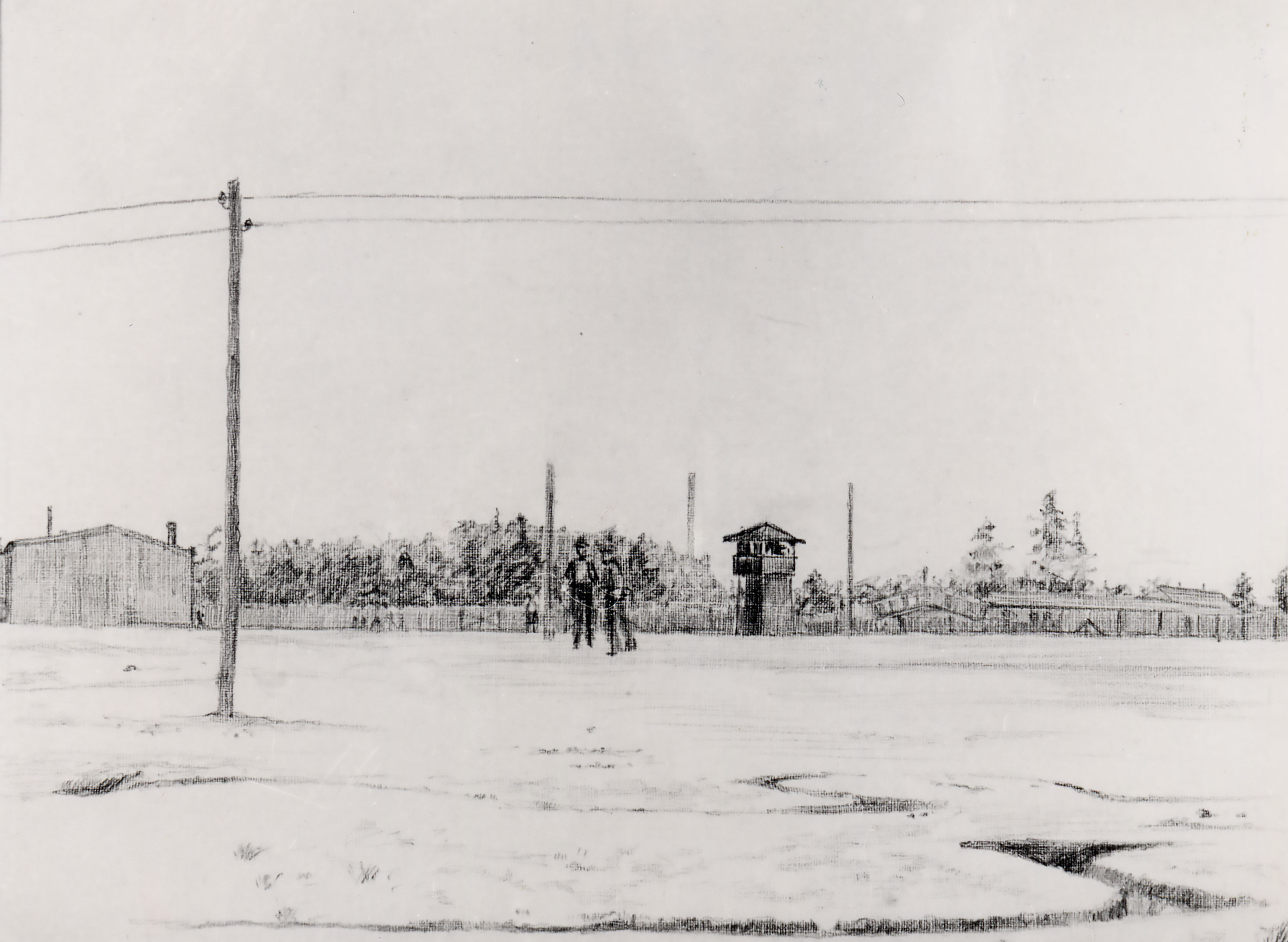
The sketches in this chapter are by Louis Asscher. Louis Asscher arrived with his family to Bergen-Belsen, together with the Tal family, on 11 January 1944. In the camp, he secretly drew images of daily life and the prisoners.
Louis Asscher’s records are among the few documenting the appearance of the camp. He brought the pencils and paper with him from Amsterdam as part of the limited equipment that he was allowed to bring in a single backpack.
Louis Asscher was born on 3 September 1885 in Amsterdam and died on 19 April 1945 on the “Lost Train” evacuation transport.
What were the living conditions like in the exchange camp?
Since the camp residents were meant to be exchanged, the conditions differed from other concentration camps. Still, the living conditions were poor and deteriorating. The camp was divided into different sections.
© Private property of the Asscher family
“Our section in the camp was called the ’Star Camp’ because we all wore the yellow badge.” Weiter
We were not dressed, like the other prisoners, in striped clothes and were allowed to wear our own clothes.
The Star Camp was divided into two parts, one for women and one for men. A barbed wire fence separated them, and the gate closed at 8 p.m. I was with Father in the men’s part, but during the day, the families could meet. As difficult as our conditions of incarceration were, our situation was relatively good because the families were kept together.

© Private property of the Asscher family
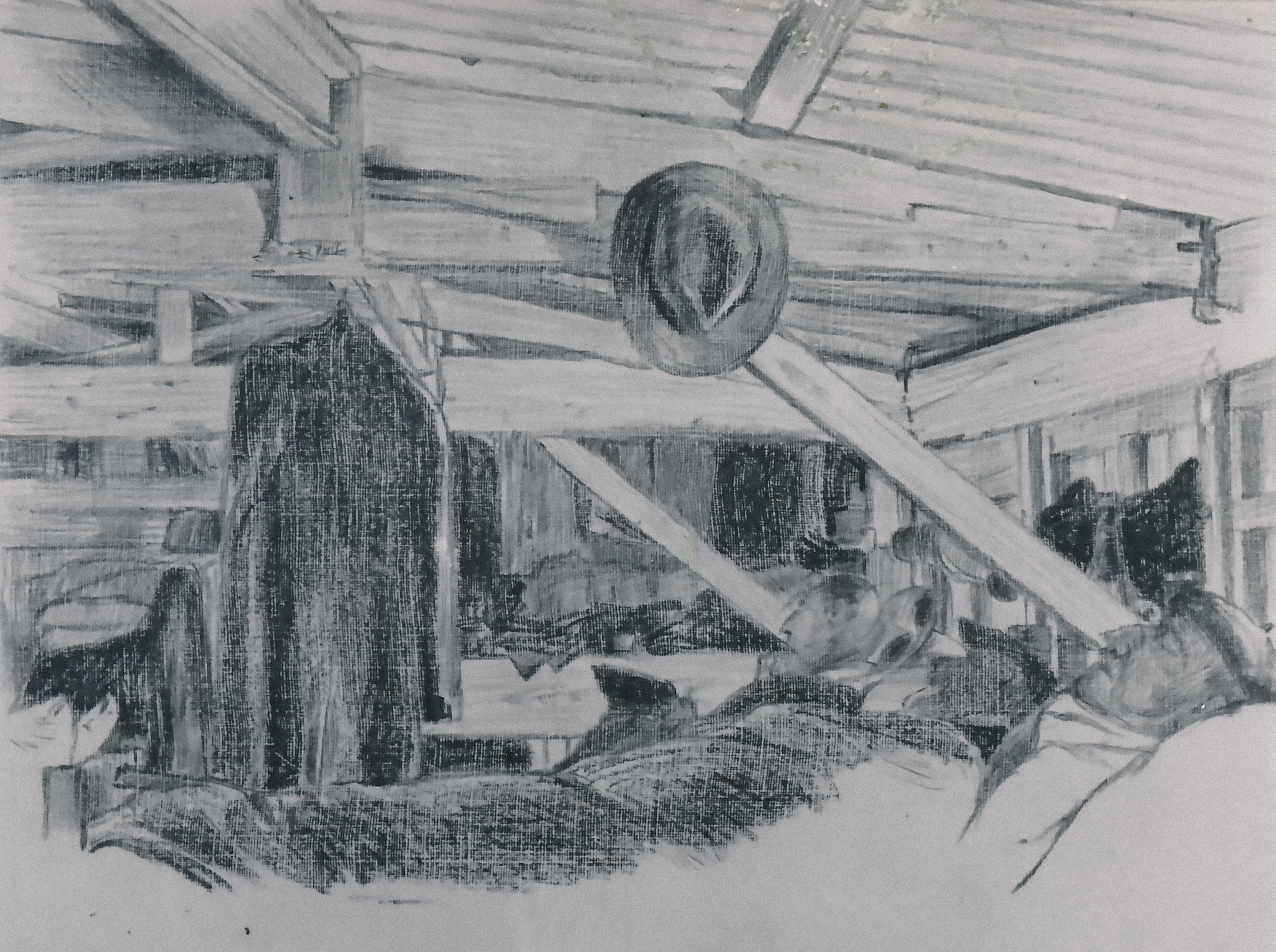
“My father Sander and I lived in barrack 13, as did Dolf and Joost, Annelie’s father and brother. We slept on bunk beds that were 60 centimetres wide.” Weiter
The Germans wouldn’t let us be idle. In the morning, we had to arrange the beds in an exemplary way, like a matchbox with a smooth, stretched blanket on top, as demanded by the SS guards. If your bed was not made to their satisfaction, you were punished … the cancellation of your portion of food.
© Private property of the Asscher family
“In Bergen-Belsen, we lived, Mother, Marion, Ruth and I, in hut number 21.”

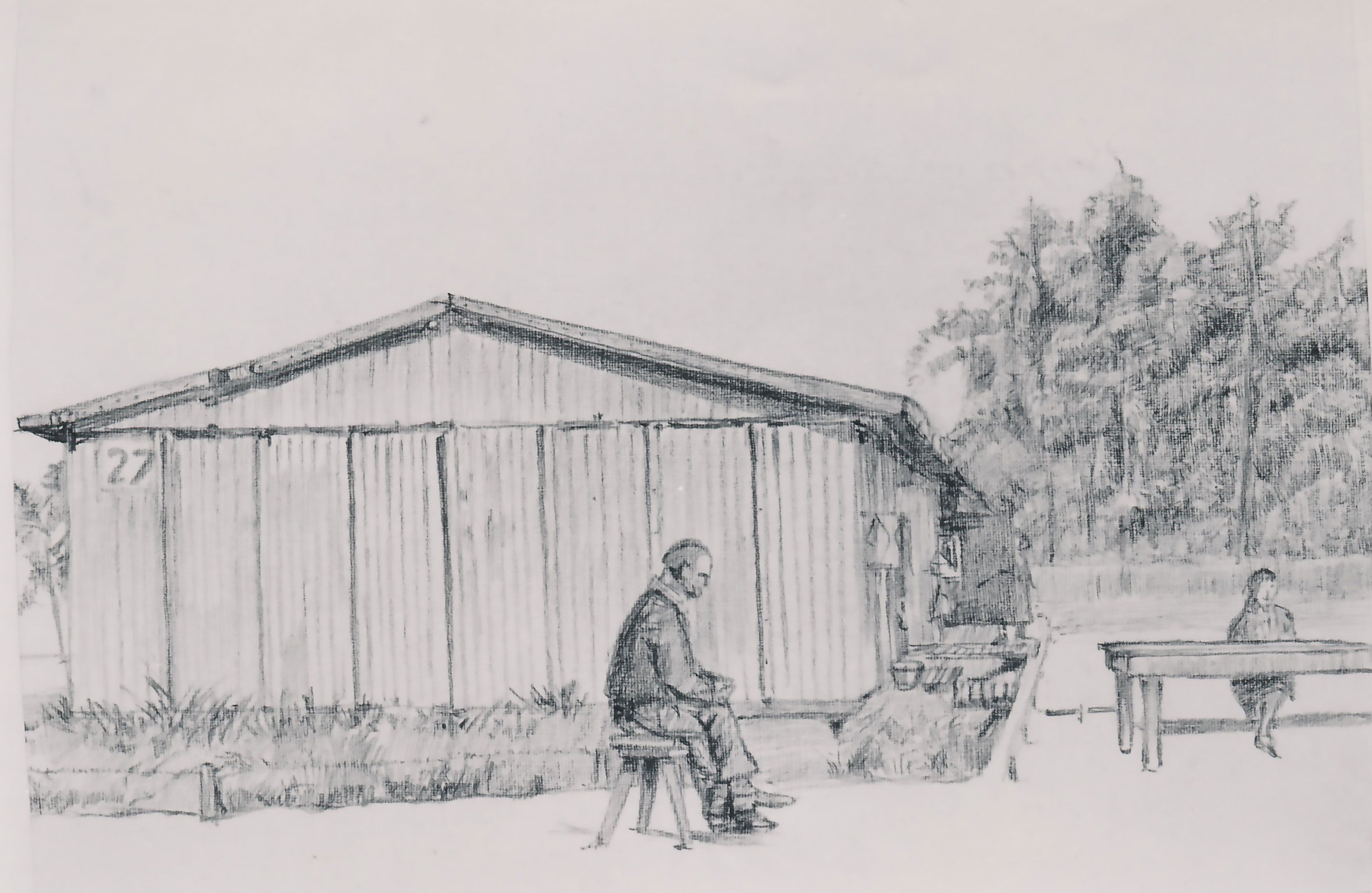
© Private property of the Asscher family
“Grandma Netta did not live with us in the same barrack. She was given a place at the ‘Altersheim’, the elders’ barrack. We almost didn’t see her. Not even at roll-call.”
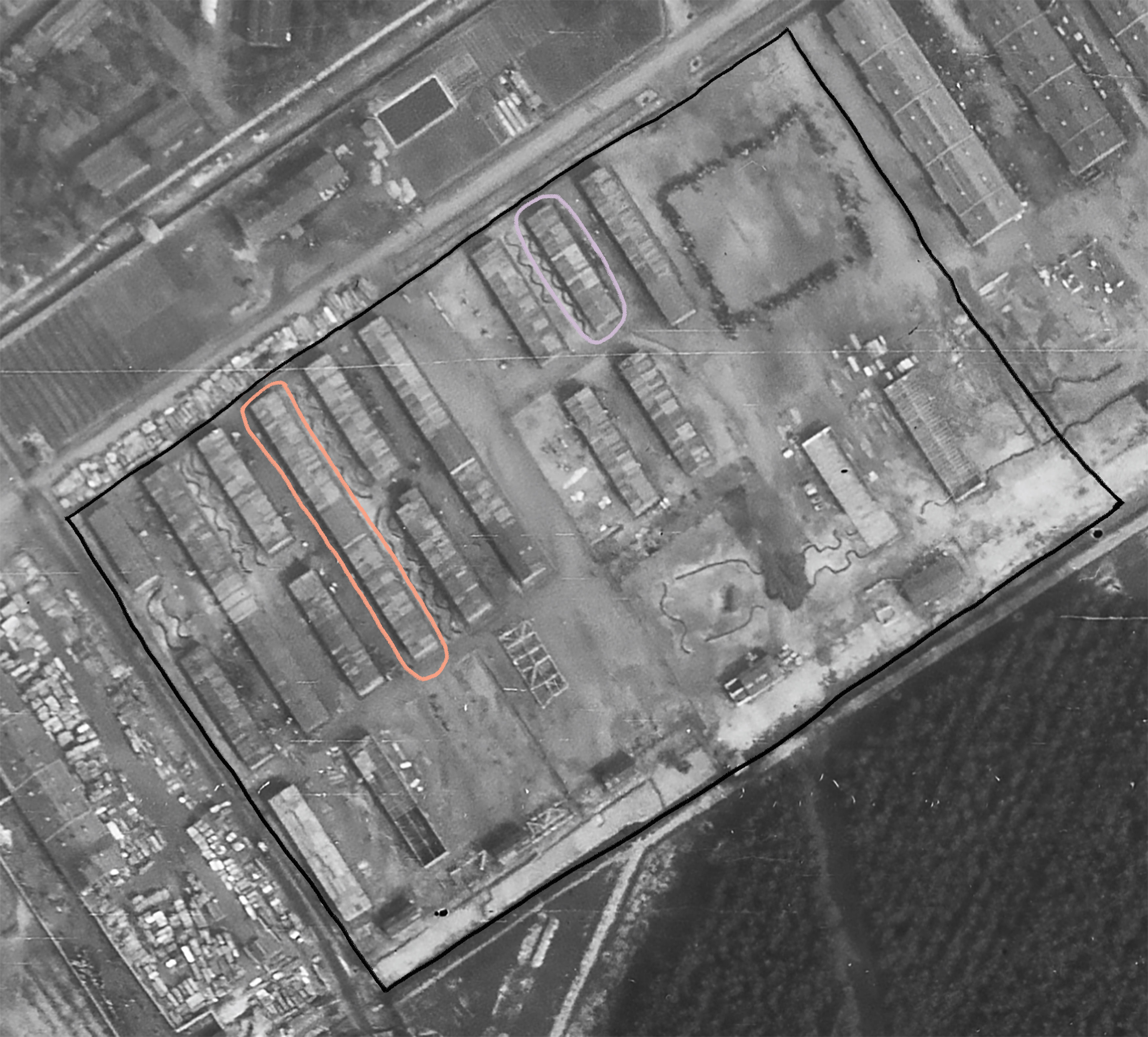
© National Collection of Aerial Photography, Edinburgh, United Kingdom, NCAP_ACIU_106G_2946_3051. All rights reserved
On 17 September 1944, a British reconnaissance aircraft took photographs of the Bergen-Belsen concentration camp. The top right corner of the aerial photograph shows a crowd of people standing in a square formation on the roll-call square of the Star Camp: at the time the photograph was taken, the SS were conducting a roll-call. The SS men often used the roll-call as an opportunity to harass and mistreat the prisoners.
Barrack 21, where Ruth and No’omi lived together with Mother Fré and Marion, is marked in orange.
Barrack 13, where Chanan lived together with Father Sander, is marked in purple.
The black line shows the boundaries of the Star Camp in September 1944.
“There was the daily and hated roll-call on the ‘Appellplatz’, the square for roll-calls.” Weiter
After the inspection of the beds in the barracks, there was the daily and hated roll-call on the “Appellplatz”, the square for roll-calls. There we had to stand in rows of five people waiting to be counted. It took an hour, two or three hours, every day and in any weather, sometimes twice a day as punishment. In the sun and dust, rain and mud, snow and frost, we stood there until the daily count of the number of prisoners satisfied the Nazis.

© Private property of the Asscher family
“The camp was surrounded by electric barbed wire fences, with watchtowers with armed guards who at night set off floodlights and scoured the area.”
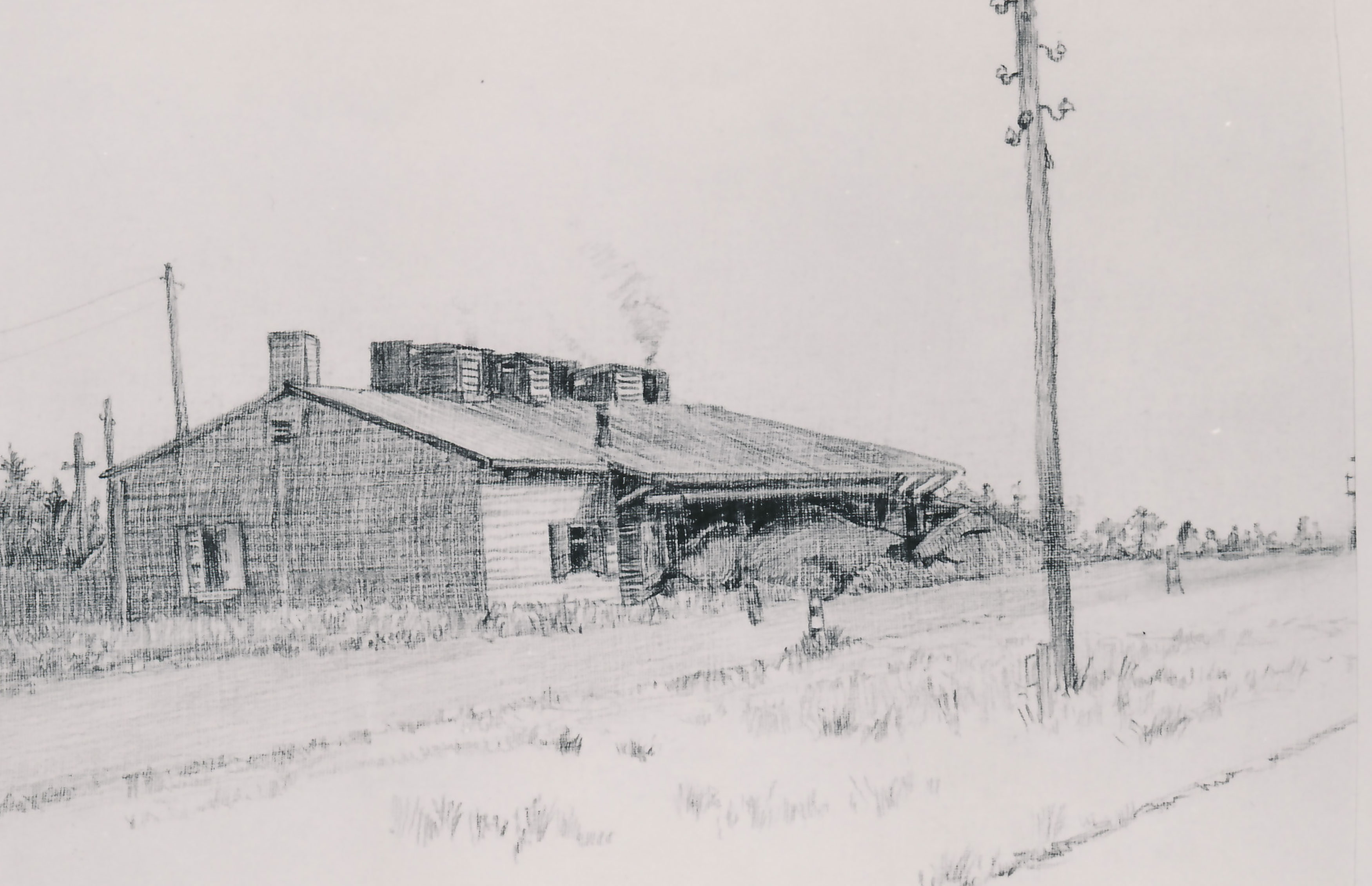
© Private property of the Asscher family
“The food in Bergen-Belsen was terrible and in small amounts.” Weiter
We usually got a thin watery soup made of turnip (a kind of beet) and sometimes with a floating piece of potato and a chip of meat. Very rarely were we given pumpkin soup or noodle soup. The daily bread was a slice three centimetres thick of compressed and sour German bread.
Once a week, we got twenty-five grams of margarine, and sometimes, they gave us a tablespoon of jam or a small triangle of smelly cheese. In the morning, there was an indeterminate hot drink called coffee. Of course, it was a coffee substitute.
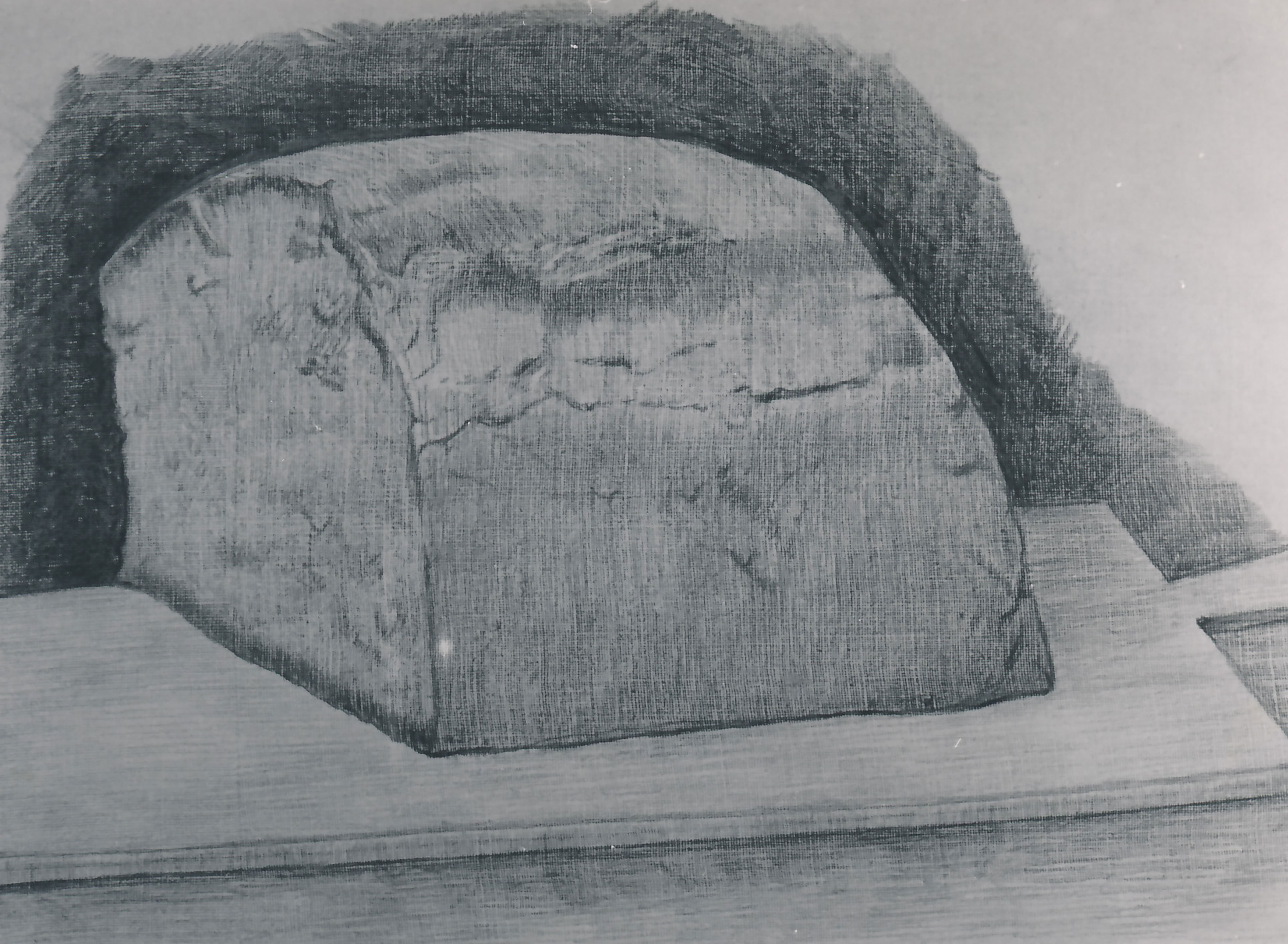
© Private property of the Asscher family
“Every now and then, we would hear someone complaining or crying that their food, their bread, was gone: ‘They took from me, they stole from me.’”
“Obviously, the quantity and quality of food we received was not enough to live on.” Weiter
We suffered from terrible hunger, lost weight and many couldn’t hold on and starved. As a result, at the end of the war, when I was released at the age of fifteen, I weighed only twenty-six kilograms.
Did the internees have to work in the Star Camp?
Most inmates of the exchange camp were required to work, though there were exceptions for children, the sick, and the elderly.
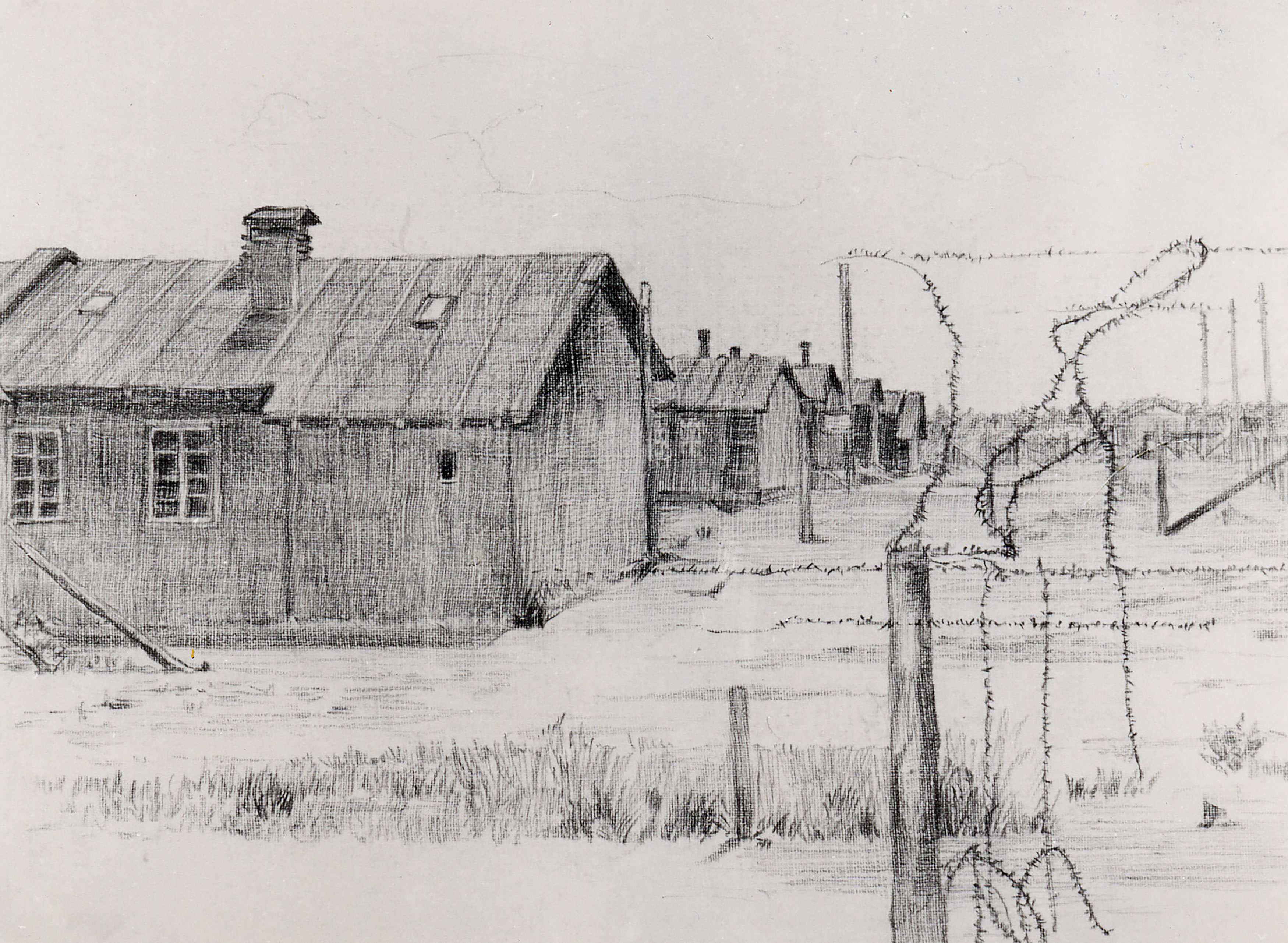
© Private property of the Asscher family
“Those who were fit to work left every morning at 6 a.m. with the labour battalions outside the compound.” Weiter
They did not return before 6 p.m. Most of them, including Annelie’s father, Dolf, and her brother, Joost, worked on the huge pile of shoes next to the camp. They had to take apart the old shoes.
Others worked in the kitchen, like Annelie’s mother, Liesje. Some labor battalions were particularly hated, such as the hard work of rooting out roots and tree trunks in the forest. Children, mothers with young children, old and sick, and officials stayed in the camp.
Father was out of work because at Bergen-Belsen, he had to have his thumb amputated as a result of a gangrenous infection he got in Westerbork.
“Mother’s job as a deputy in charge of the barrack was in the camp.”
How did the Star Camp’s prisoners deal with conflicts?
The lack of food, clothing and other goods led to theft and disputes. With the consent of the SS, the prisoners formed a court commission to settle such cases themselves and thus maintain order in the camp.
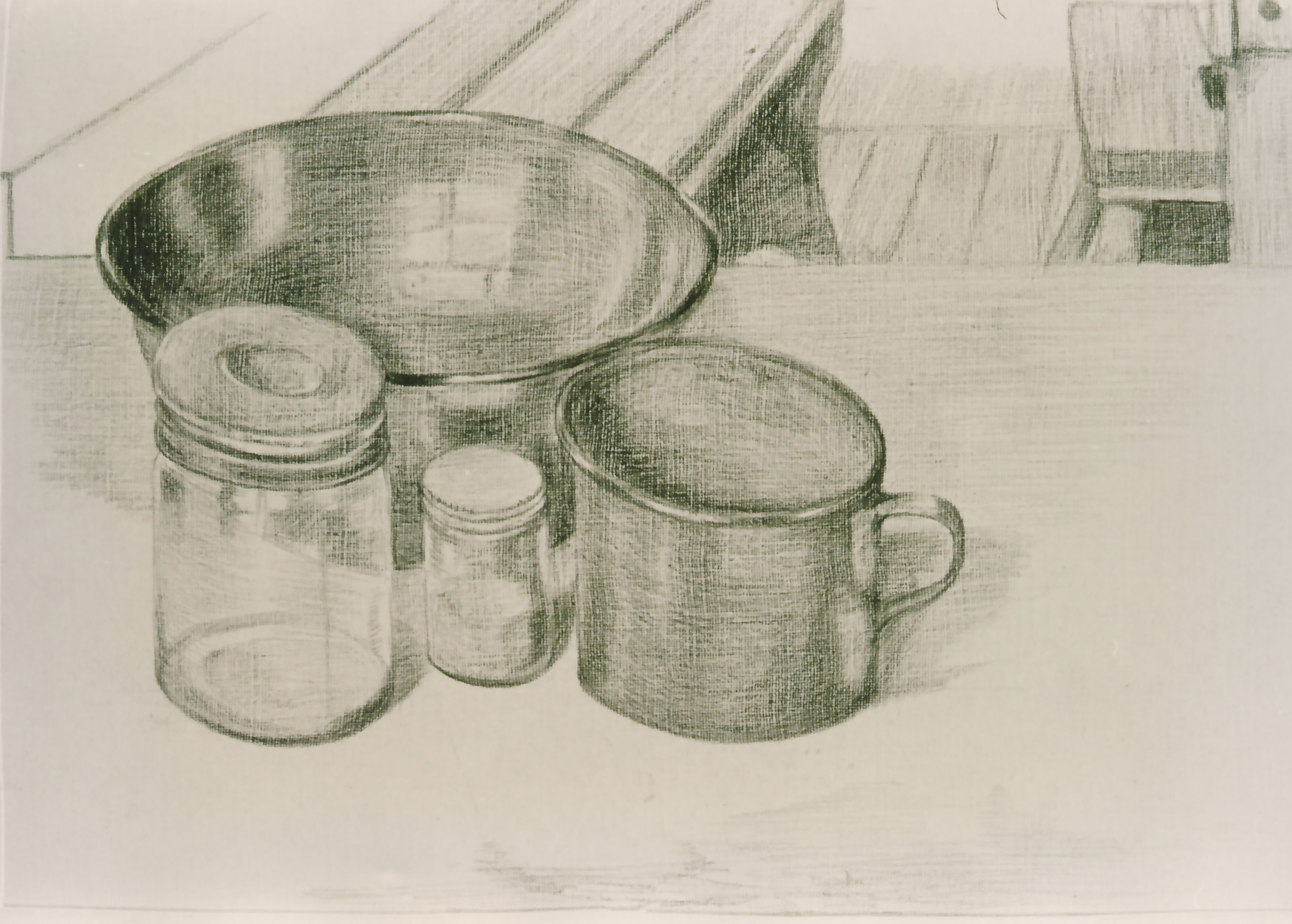
© Private property of the Asscher family
“Mother had the difficult task to distribute the food. There was an argument.” Weiter
Everyone was entitled to a full ladle of soup, but there is a fuller ladle.... and above all, there is a thicker portion of soup…
One day we got cheese. It was an extraordinary thing – yellow cheese triangles with big holes. Something very special. Mother picked out the nicest pieces and put them aside for the hut’s inmates, who left early in the morning with the labour detachments and had yet to return. Someone claimed Mother took them for herself. Mother explained but to no avail... There was an argument. I stood there, heard the accusations, and saw Mother crying.
“Someone called the ‘Judenälteste’ (Jewish elder), Jupp Weiss. He listened, became convinced of mother’s explanation, and managed to calm and appease the spirits.”
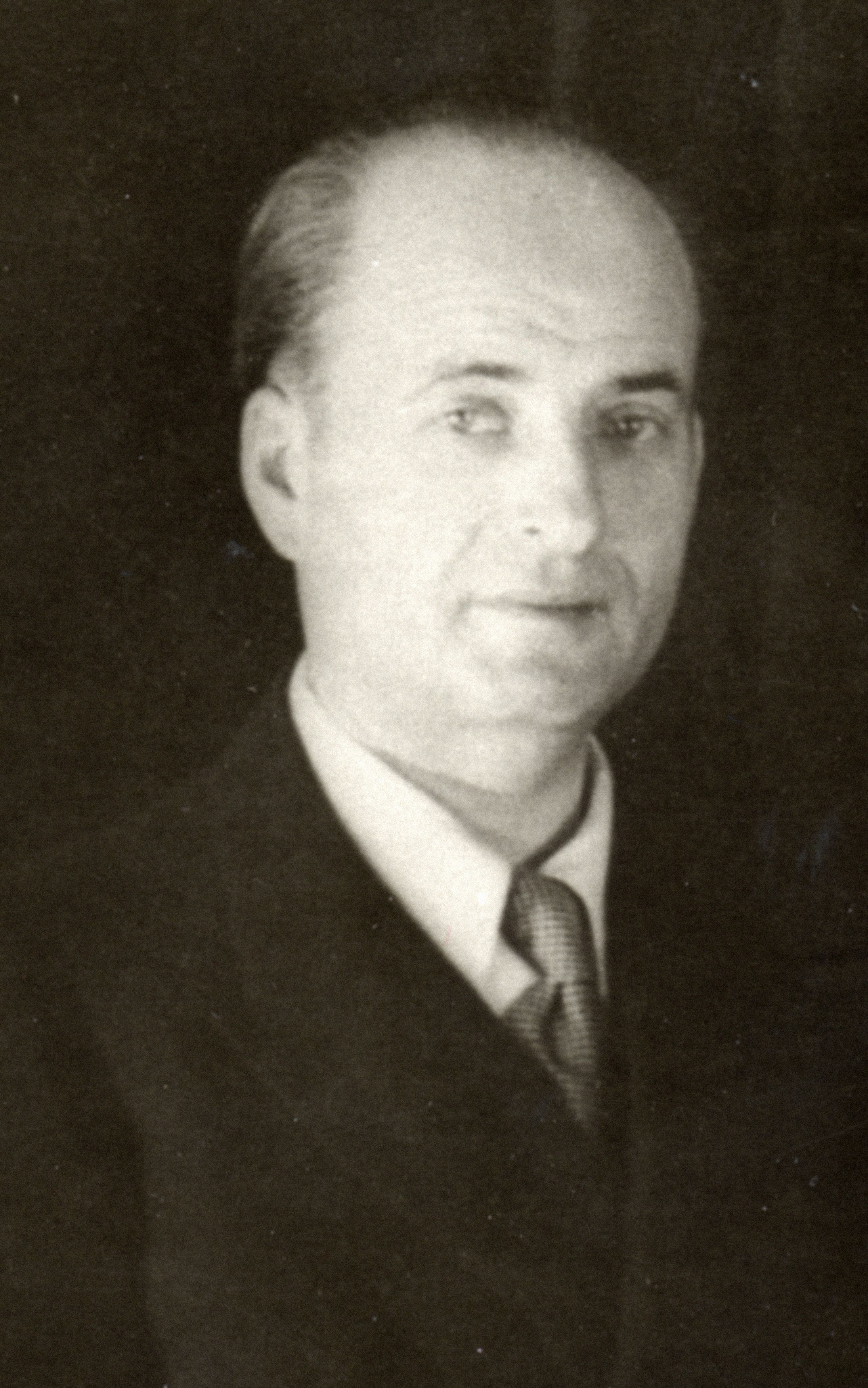
© Private property of Hans-Dieter Arntz
In the exchange camp, like in all other concentration camps, the SS assigned individual prisoners to act as “Lagerälteste” (camp elders) and “Blockälteste” (block elders). These prisoners found themselves in a predicament. They had to carry out the orders given by the SS and had only a small scope for action. The SS took advantage of the prisoners’ self-administration of the camp.
Josef (Jupp) Weiss was initially the deputy to the representative of the Jewish prisoners at the Star Camp, the “Judenälteste”. From December 1944 he held that position himself. In this capacity, he tried to alleviate the hardship and suffering for the prisoners.
Josef Weiss and his family had fled from Germany to the Netherlands in 1933. In January 1944, they were transported to the Bergen-Belsen exchange camp.
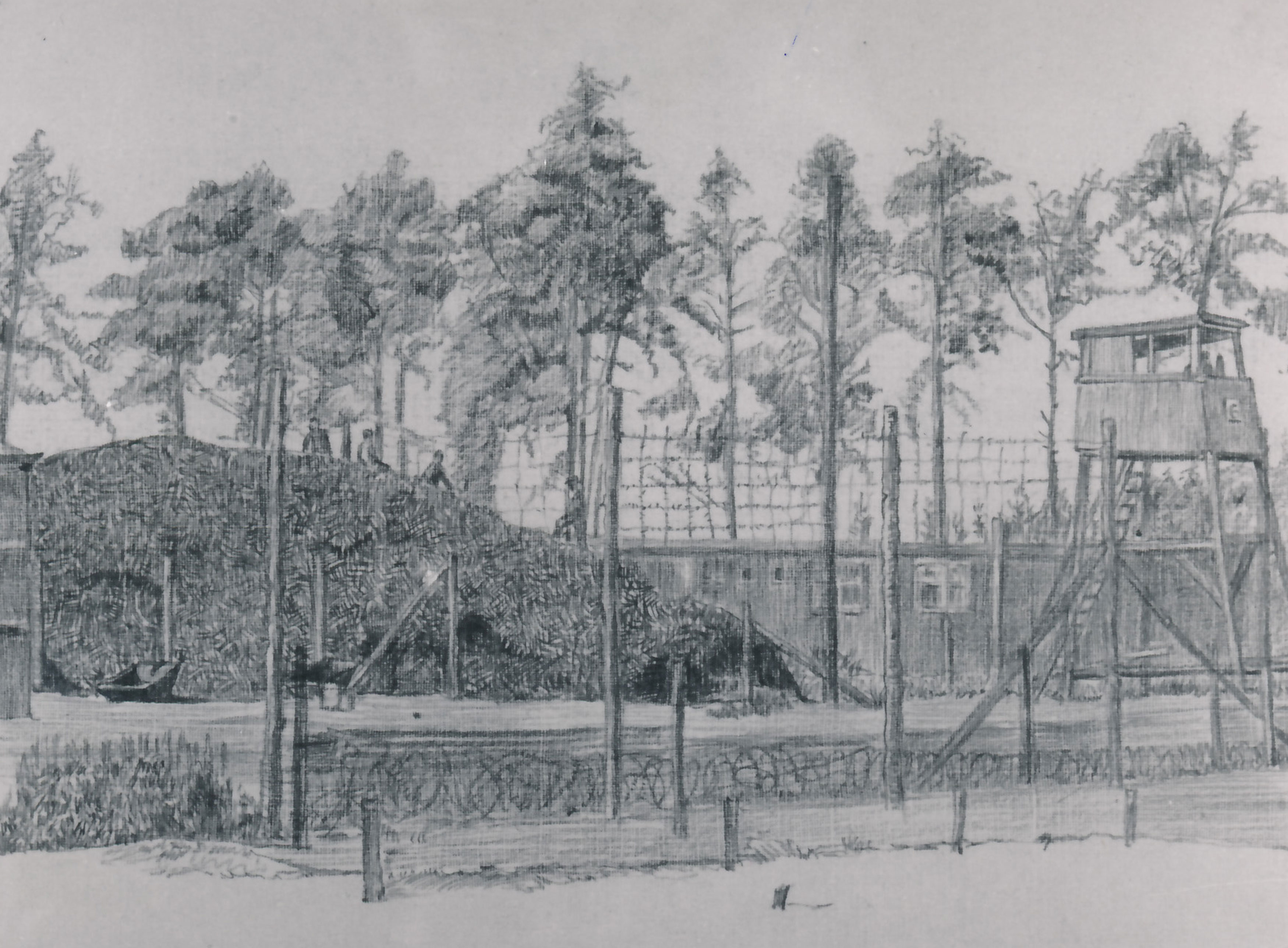
© Private property of the Asscher family
“In the camp, I somehow grabbed a set of cobbler’s tools: a shoe last, hammer, knife and a cobbler’s file. With these tools, I was able to fix shoes.” Weiter
Since we left home, it’d been over a year. The few clothes we had were wearing thin and were far from clean, and the shoes required repair. There were no problems supplying repair materials. Friends who worked on dissembling shoes gave me everything I needed: leather in different thicknesses, and nails, especially crooked parts that had to be straightened.
I initially fixed the family’s shoes, but later I worked occasionally for others as well. And then I could charge payment and get a slice of bread or soup in exchange for my job.
“As elsewhere, non-payment for goods and services also existed in the camp. When it happened to me, I brought my case before a judicial committee.”
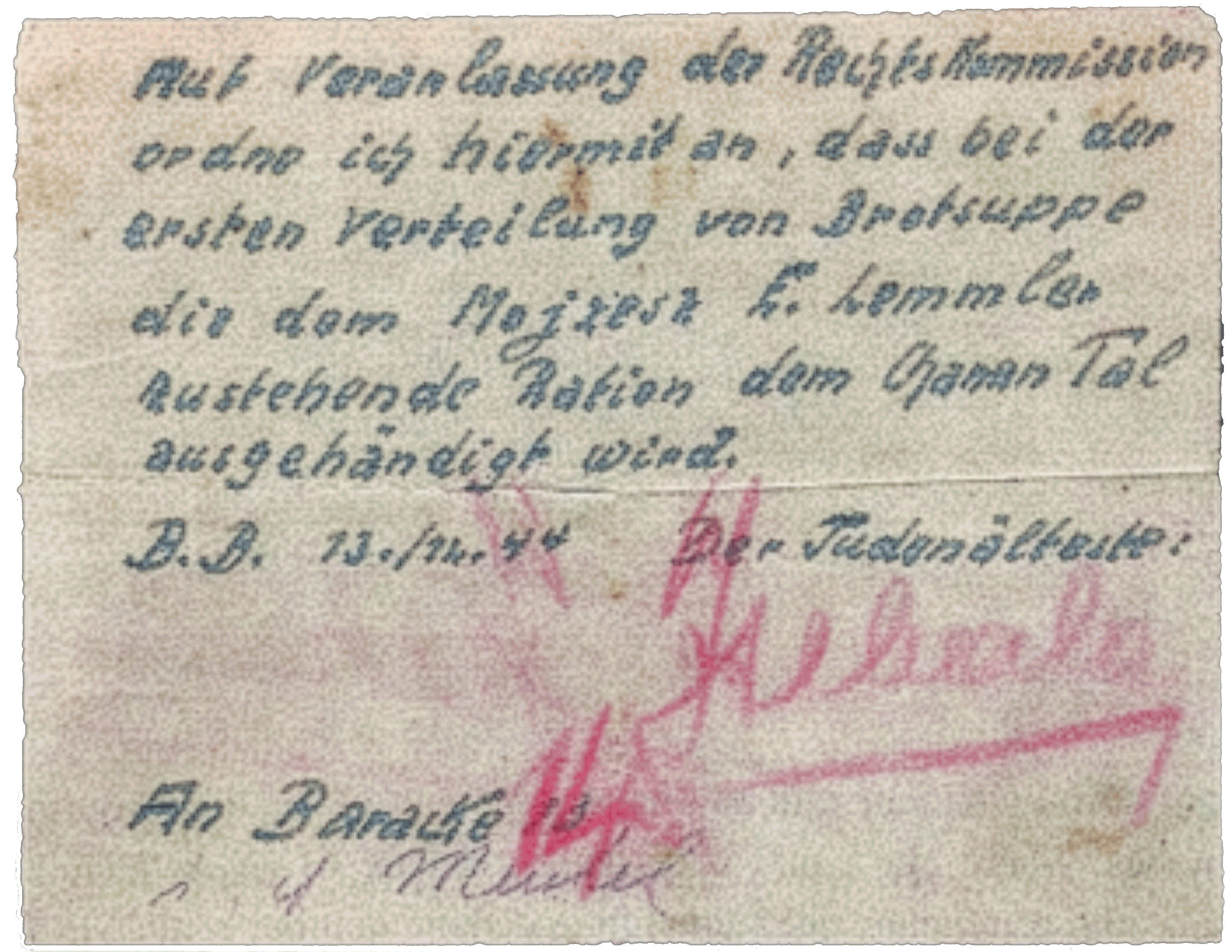
© Private property of the Tal family
Transcription
B.B. 13 [December] 1944
The Elder of the Jews: J. Albala.
To Hut 13.
“I know of two cases that were brought before the prisoner’s court. Chanan told me about the first one.” Weiter
He went to the judge and complained about a man who refused to pay him a portion of soup in exchange for fixing a pair of shoes as they had agreed in advance.
The judge investigated the matter, interrogated the man, interrogated Chanan, and ruled: the soup intended for the shoe owner should be given to Chanan.
“Another heartbreaking case, which I remember with great pain, is that of someone who stole bread.” Weiter
She was in a terrible state of sickness and malnutrition… And you ask yourself: Where does one get to the point where one has to say, you can’t judge anymore, leave it, do nothing…
On the other hand, this despairing situation wherein you try to maintain order, to protect the rights and property of everyone... So some effort was made to do justice, to keep the law. I don’t know if there was any punishment or whether they were satisfied with saying, ”you shouldn’t have done that.” Because how can you ask someone like that to return what she took? It was a perfectly impossible situation.
Did any exchange of prisoners from the Star Camp take place?
The Star Camp held around 1,300 Jews who had papers allowing them to enter Palestine. Only 222 of them were actually exchanged: in the summer of 1944, they were transported by train via Istanbul to freedom.
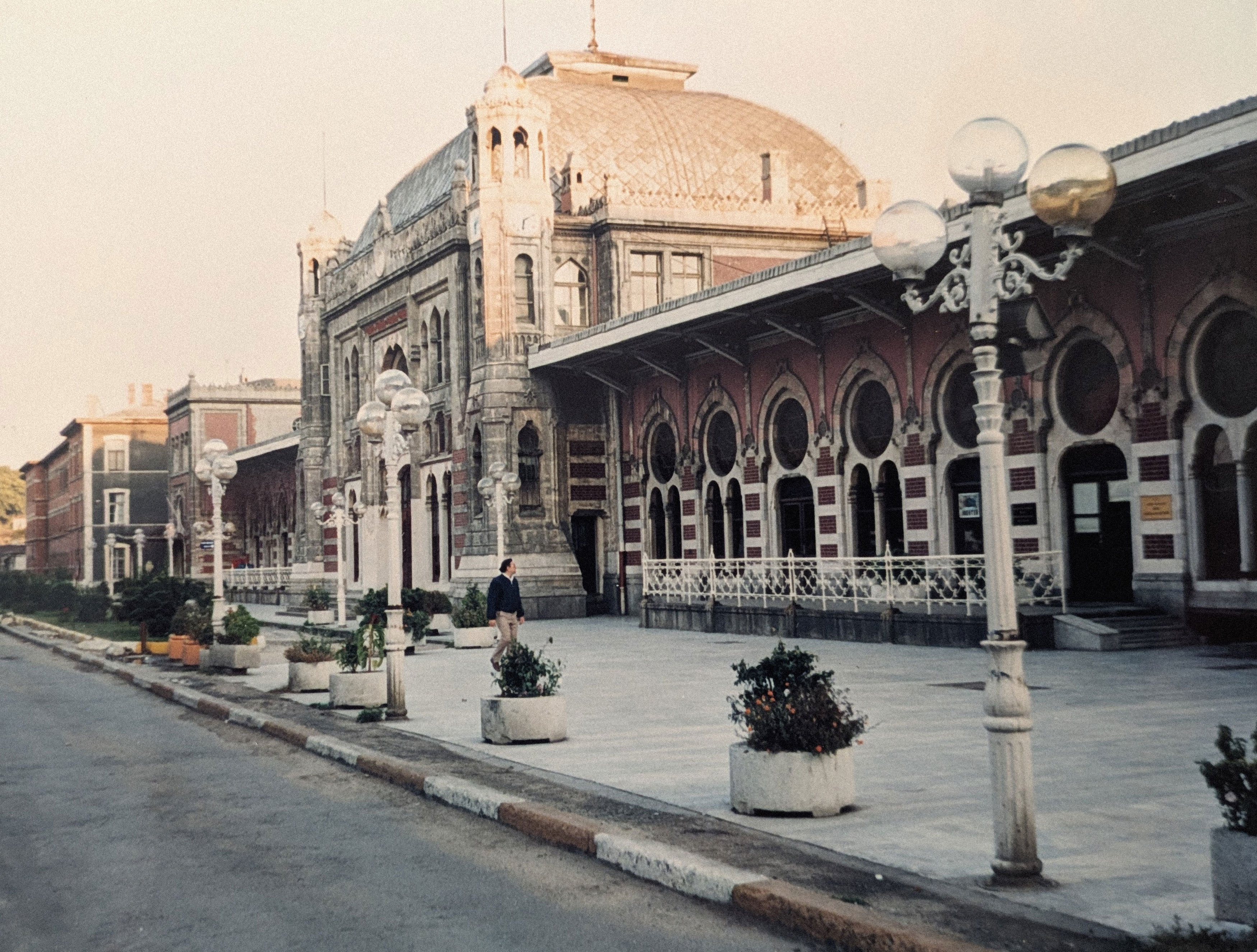
© Private property of the Tal family
“At some point they began assembling the list of people, the ‘Palestine Group’ destined to be exchanged for German citizens.” Weiter
It was a nerve-wracking and very exhausting process. At first, there were many people on the list, and then the process stopped. When it resumed, it became clear that all sorts of people had been removed from the list. They were very disappointed.
Grandma Netta was from the beginning on the list of exchange, and luckily, she remained on it.
The whole group was moved to a separate compound, next to us, on the other side of the barbed wire fence. Then, one morning, on 30 June 1944, they were no longer there... I wasn’t worried, I knew they were on their way to Palestine.
“When the exchange group arrived in Palestine, Uncle Jacques did not recognize his mother because she had lost so much weight and aged during the six months she was in prison in Bergen-Belsen.”
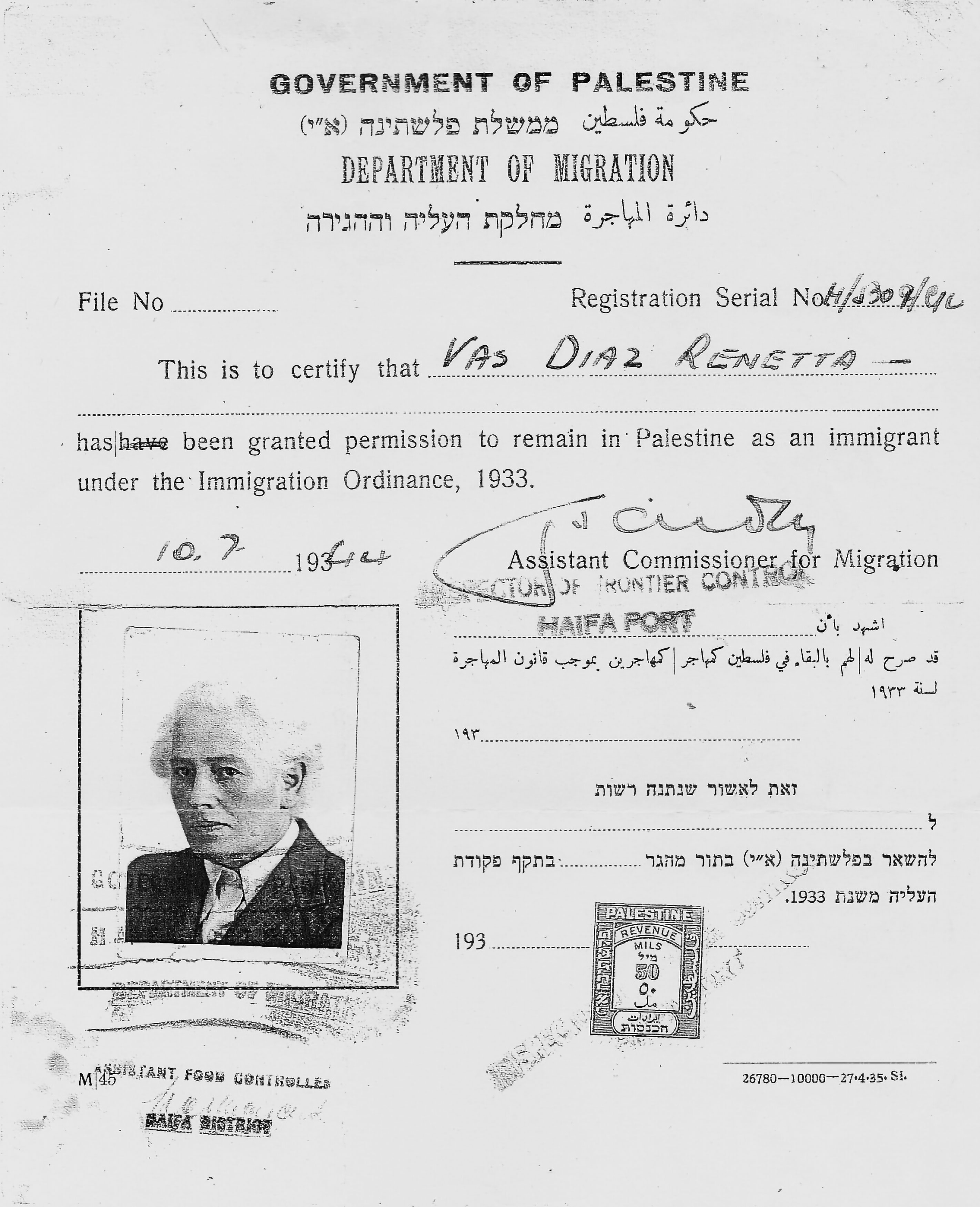
© Private property of the Tal family
Transcription
Department of Migration
File No. … Registration Serial No. [illegible]
This is to certify that Va[z] Dia[s] R[o]netta – has been granted permission to remain in Palestine as an immigrant under the Immigration Ordinance, 1933.
10.7.1944 [illegible] Assistant Commissioner for Migration
Director of Frontier Control, Haifa Port
On the journey, Grandmother Ronetta Vaz Dias wrote a diary:
“Friday morning, 30 June 1944. At 3 a.m. we were walking from Bergen-Belsen to the train platform, at 5 a.m. we arrived and at 7 o’clock we set off for Vienna. Saturday morning at 9:00 arriving in Vienna. We were taken to a shelter for the homeless, neat and clean, ate excellently. On Sunday morning, we got a smallpox vaccine. At 5 p.m., we took [the train] to Istanbul. In the restaurant trailer we were again given excellent service and ate very tasty food. I haven’t experienced anything like this in a year.”
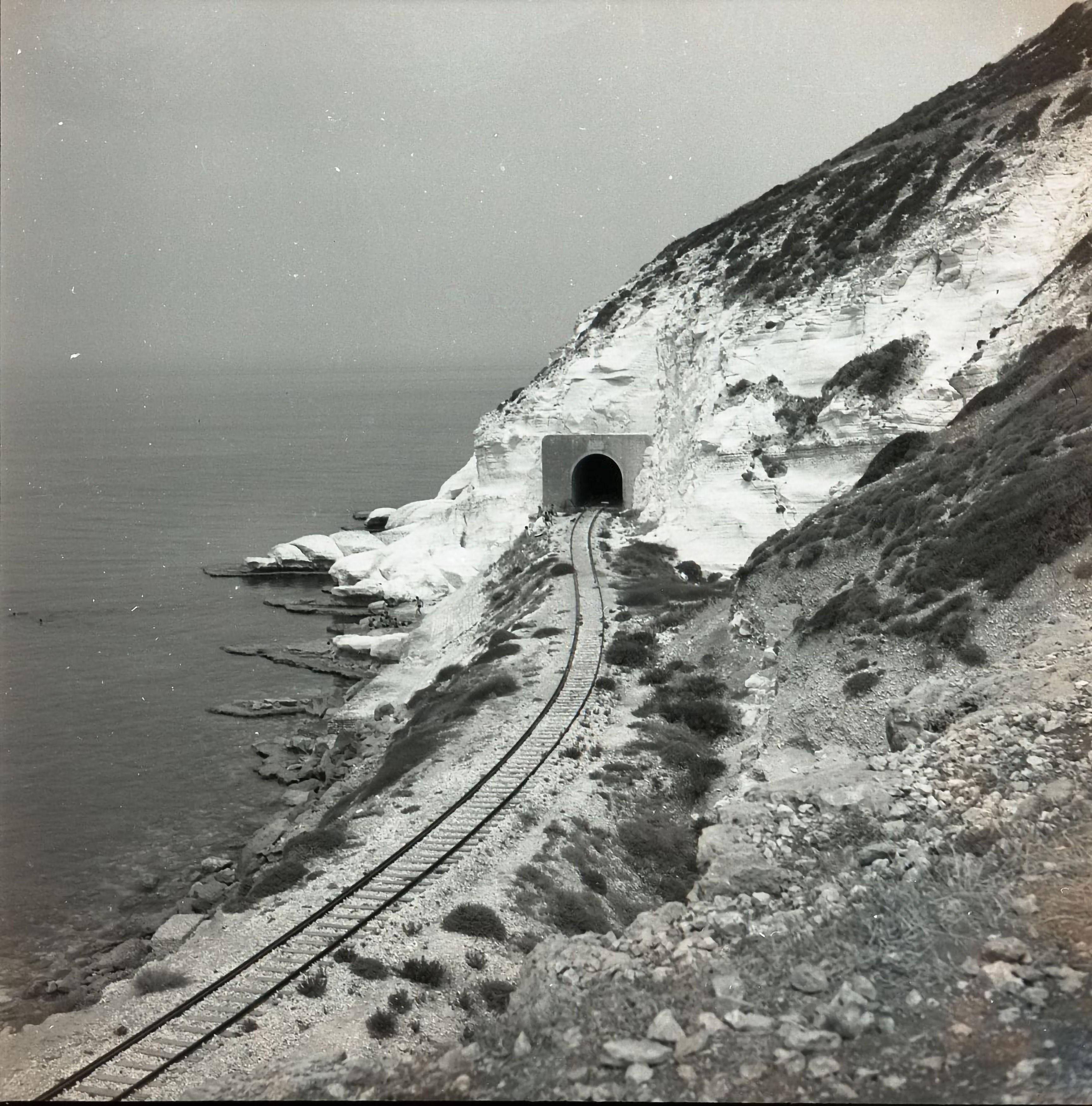
© Meitar Collection / The Pritzker Family National Photography Collection, The National Library of Israel
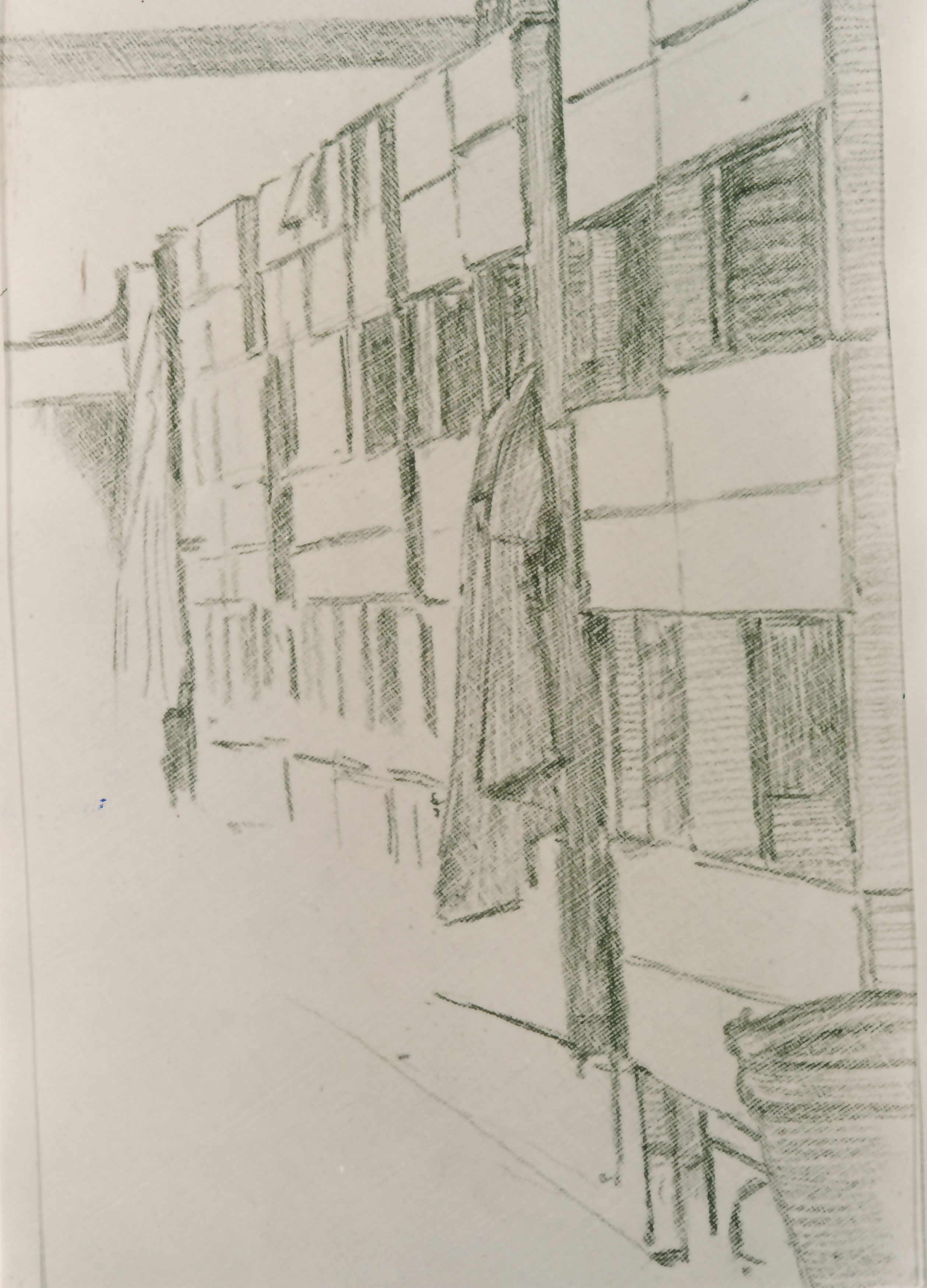
© Private property of the Asscher family
“In the beginning, the bunk beds were 2-level, but in the summer of 1944, when they started sending prisoners from other camps to Bergen-Belsen, they changed them to 3-level bunk beds.”
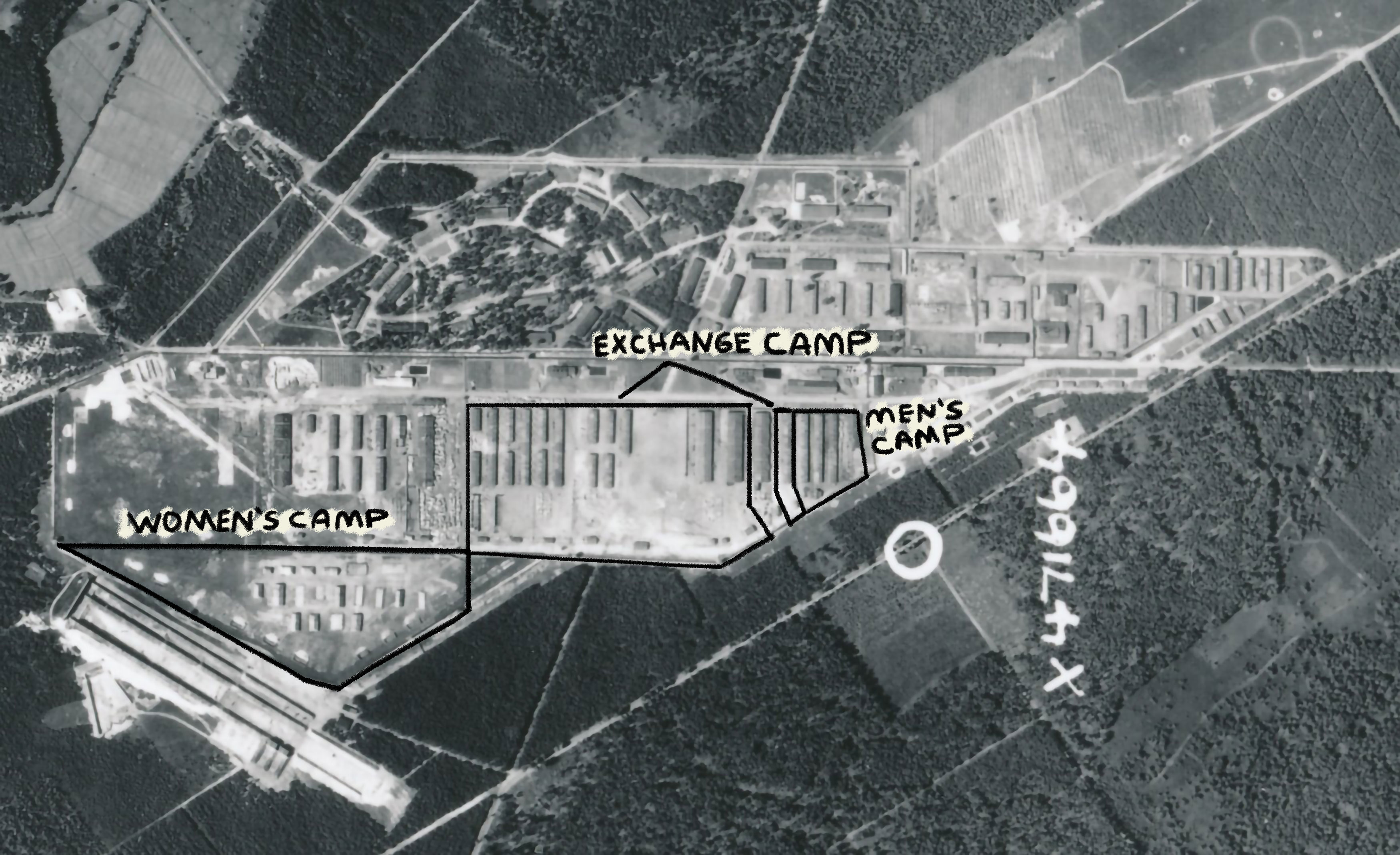
© National Collection of Aerial Photography, Edinburgh, United Kingdom, NCAP_ACIU_16_1172_4084. All rights reserved
From the outset, the Bergen-Belsen exchange camp was integrated into the concentration camp system. This was another reason why the living conditions for exchange prisoners were poor and continued to deteriorate.
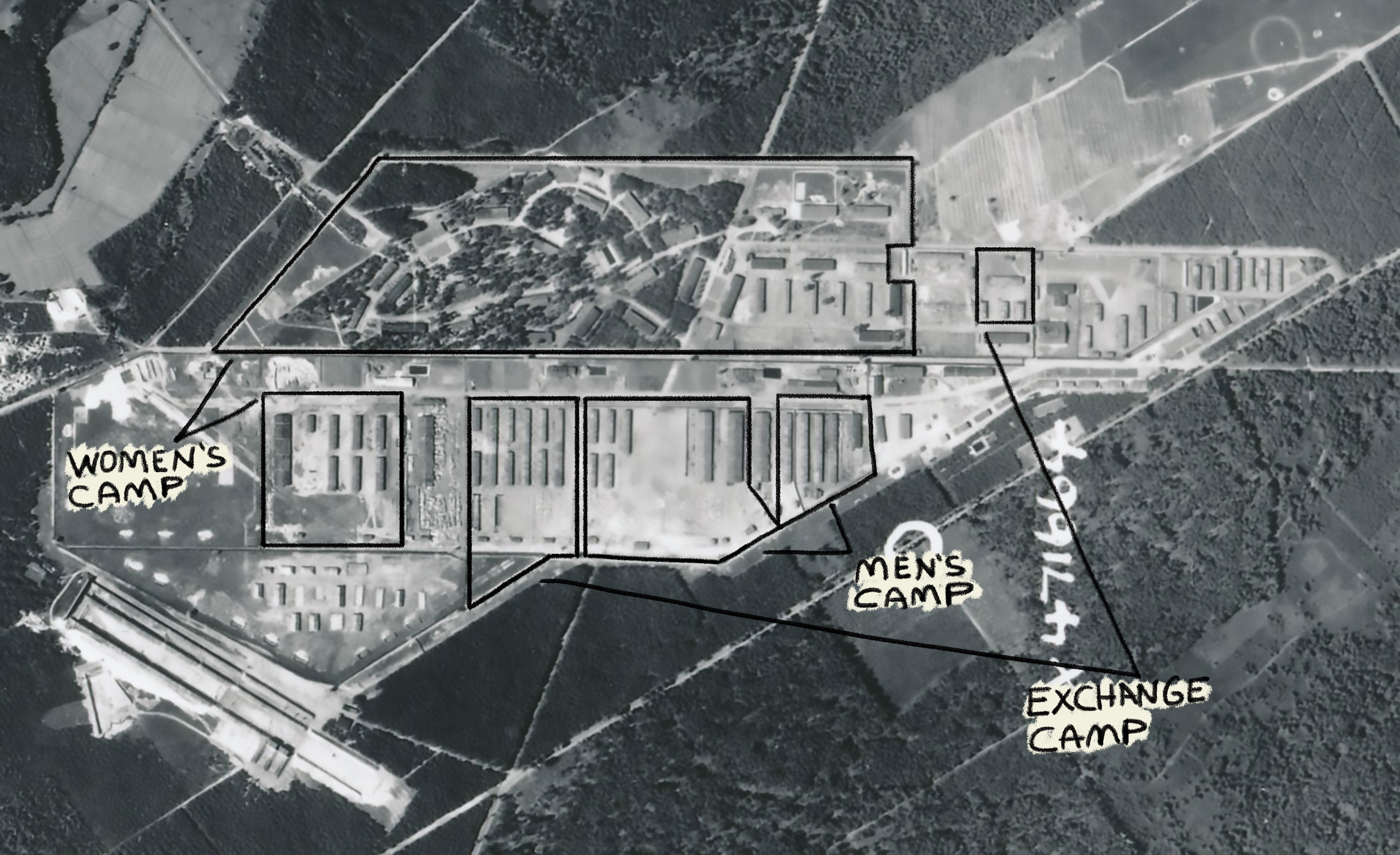
From March 1944 onwards, the SS also brought sick and weak men from other concentration camps to Bergen-Belsen. In this way, the SS wanted to ensure that armaments production continued to run smoothly at the other camps. They took no account of the condition of the prisoners. These men were placed in a new section of the camp, the men’s camp.
From August 1944 onwards, women from other concentration camps were directed to Bergen-Belsen. Several thousand of them were sent on by the SS to perform forced labour. Others, especially sick and pregnant women, remained in Bergen-Belsen. These women were sent to another new part of the camp, the women’s camp.
How did the families maintain courage and routine?
The family members defied the misery of camp life with everyday activities and crafts, birthday celebrations and reading books. News about the progress of the war gave them hope, and parcels showed them that they had not been forgotten.
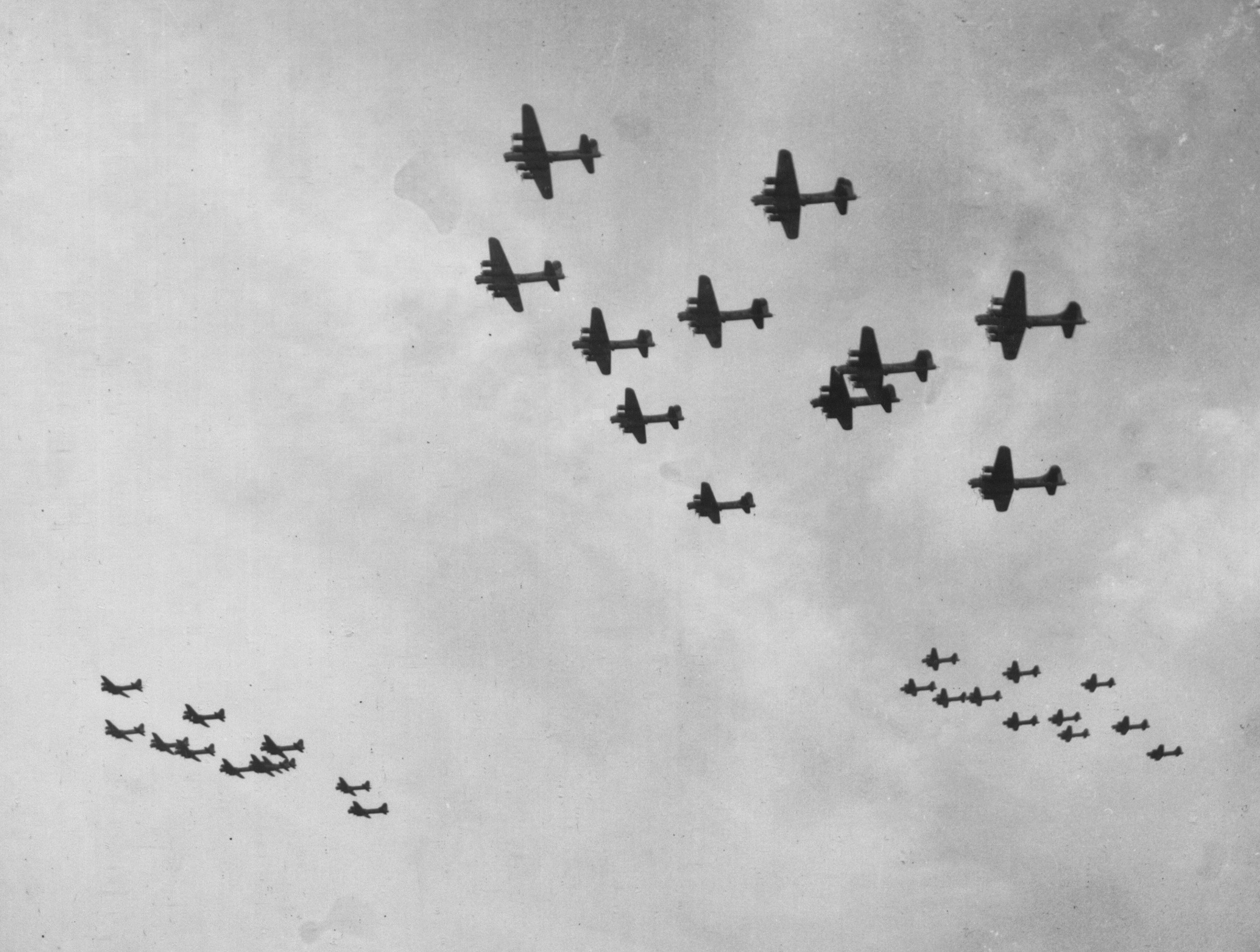
© Alamy, ID 2T600PC
“From the summer of 1944 we saw American and British planes passing by.” Weiter
They were on their way to bomb the German cities. It gave us great pleasure; we knew that the defeat of the Germans in the war was our only chance of survival. Somehow, we heard about the American and British Invasion of France on 6 June 1944 and the Russians’ advance towards the evacuated camps in the East.
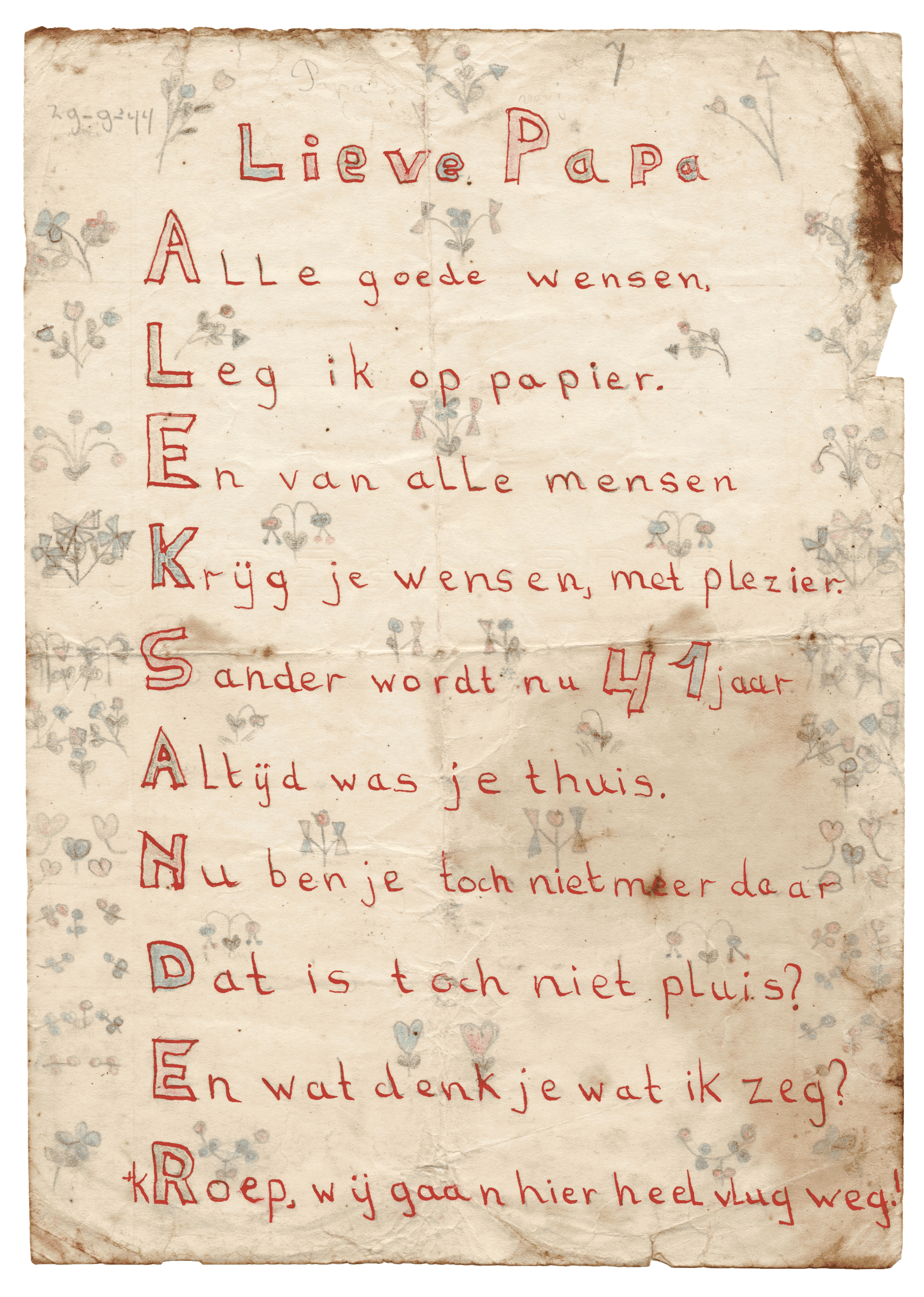
© Private property of the Tal family
Transcription
All the good wishes.
I put down on paper.
And of all the people
You get congratulations, gladly.
Sander is 41 years old now.
You’ve always been home.
But now you’re not there anymore.
And that’s wrong, isn’t it?
And what do you think I’m saying?
I say, we will soon be out of here!
“For Father’s birthday, we saved bread to make him a cake.” Weiter
It took us a long time. They would hand out portions of bread which were like a very thick slice that we would cut thin, thin across... We saved bread for a while, each of us a thin slice every day, finally we mixed everything with water and margarine and some sugar and made a birthday cake out of it decorated with jam drops.
© Private property of the Asscher family
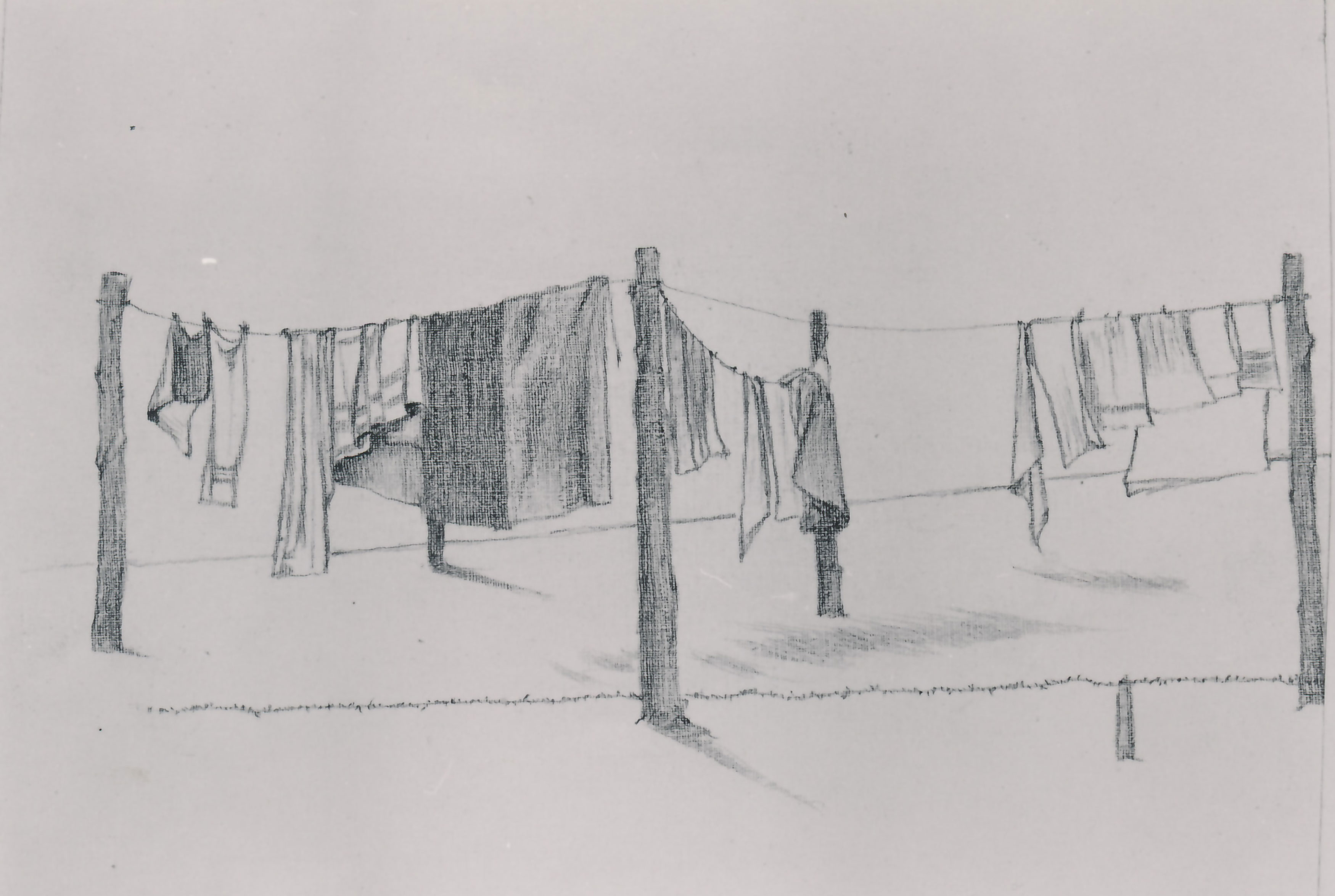
“Despite the census, the cold, the hunger, the disease and the mortality, we maintained our routines. We cleaned, washed, ate what there was to eat.” Weiter
We kids played. There was also someone who gave lessons. Chanan made and fixed shoes, Father fixed flashlights, Mother knitted, Marion worked as a nurse.
We washed the laundry with cold water and a clay lump-like “soap”. I remember how the shirt I put on the barbed wire fence froze, and how I carried it like a plank back to the hut. It made me laugh a lot.
© Bergen-Belsen Memorial
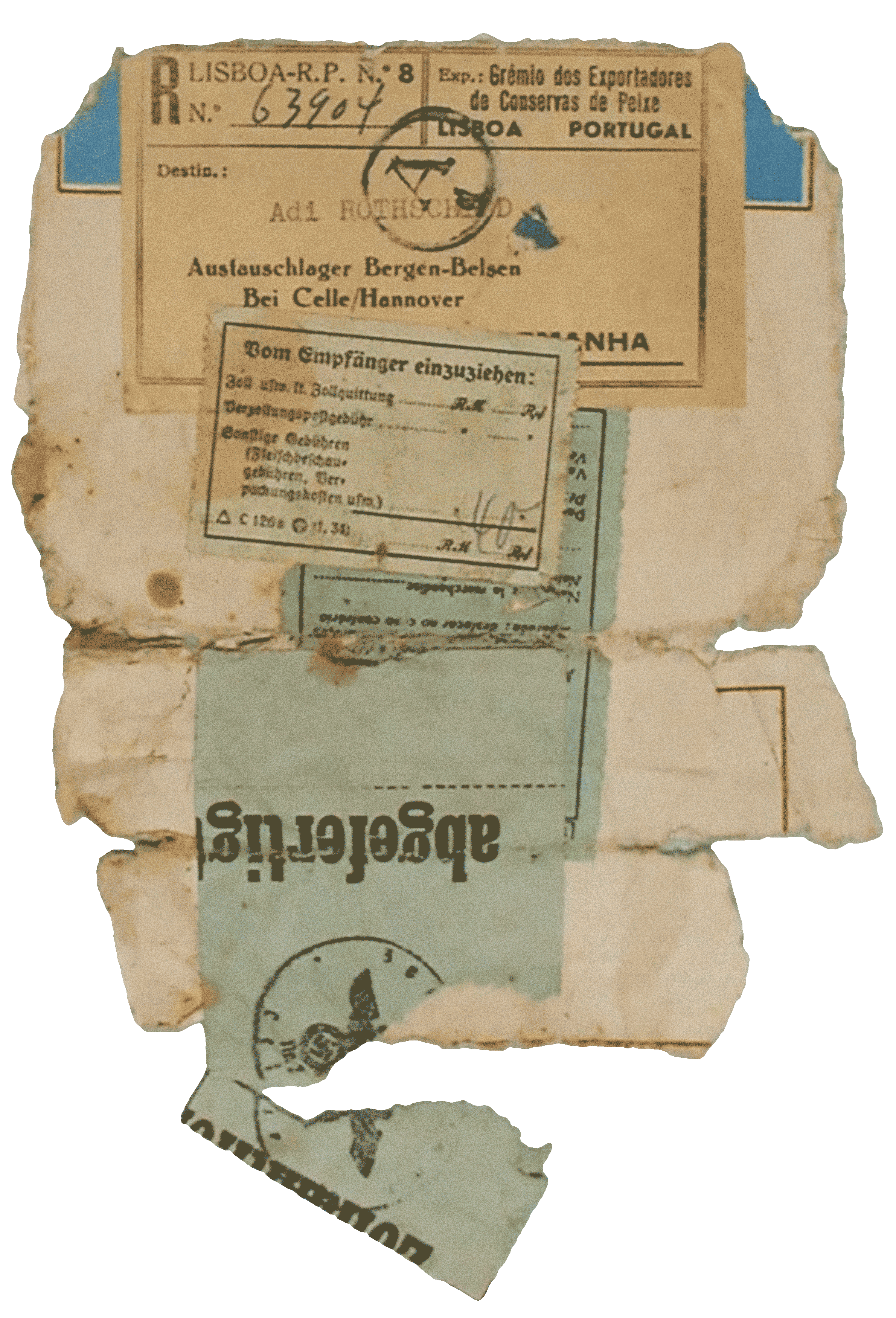
“The contents were divided between all, regardless of the addressee. This happened maybe two or three times, and each time caused excitement and was a source of encouragement.”
© Private property of the Asscher family
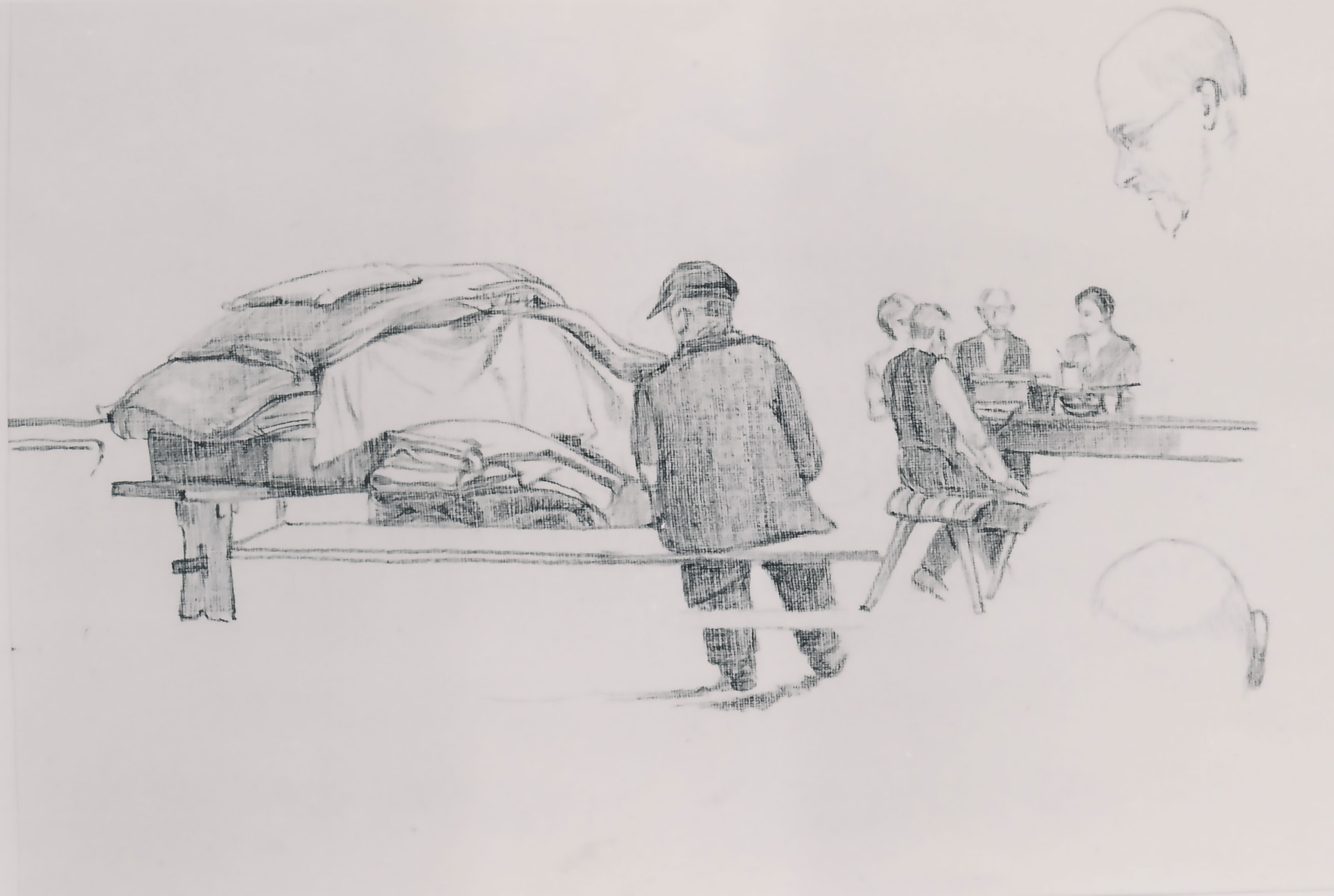
“The place where you can sit is getting smaller and smaller, but there is still a corner where a table stands.”
© Private property of the Tal family / Bergen-Belsen Memorial
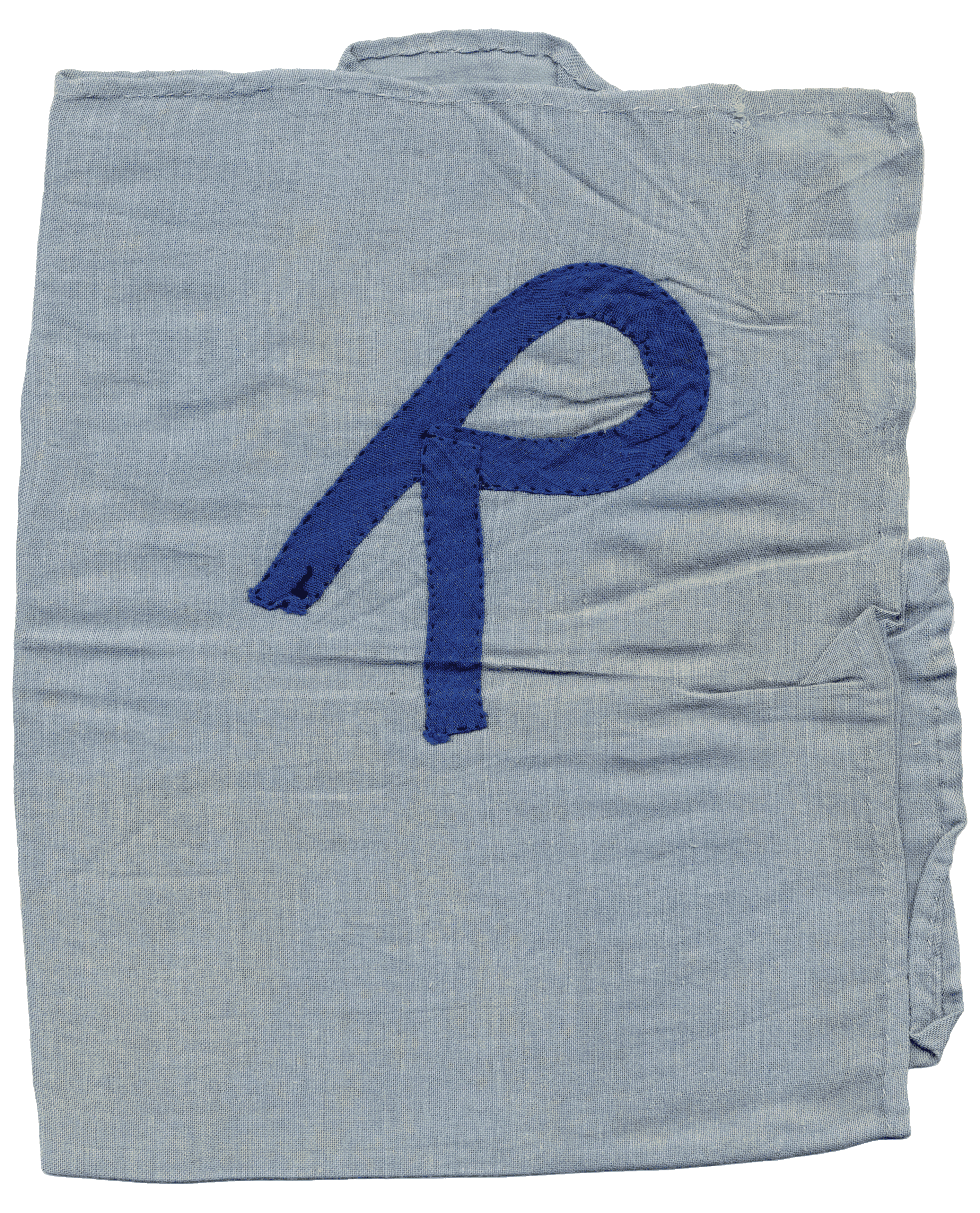
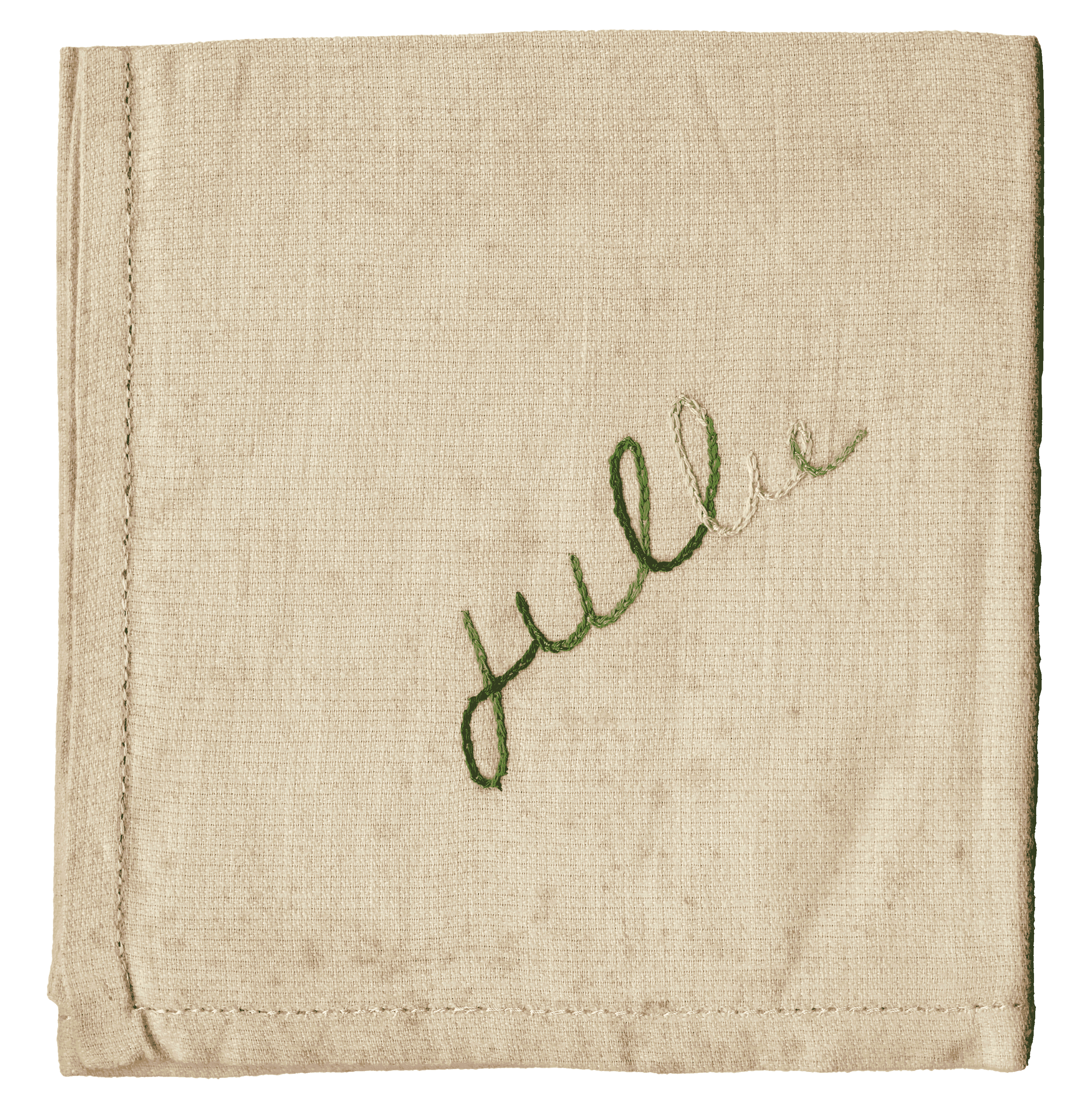
Transcription
R – Ruth
Jullie – you all
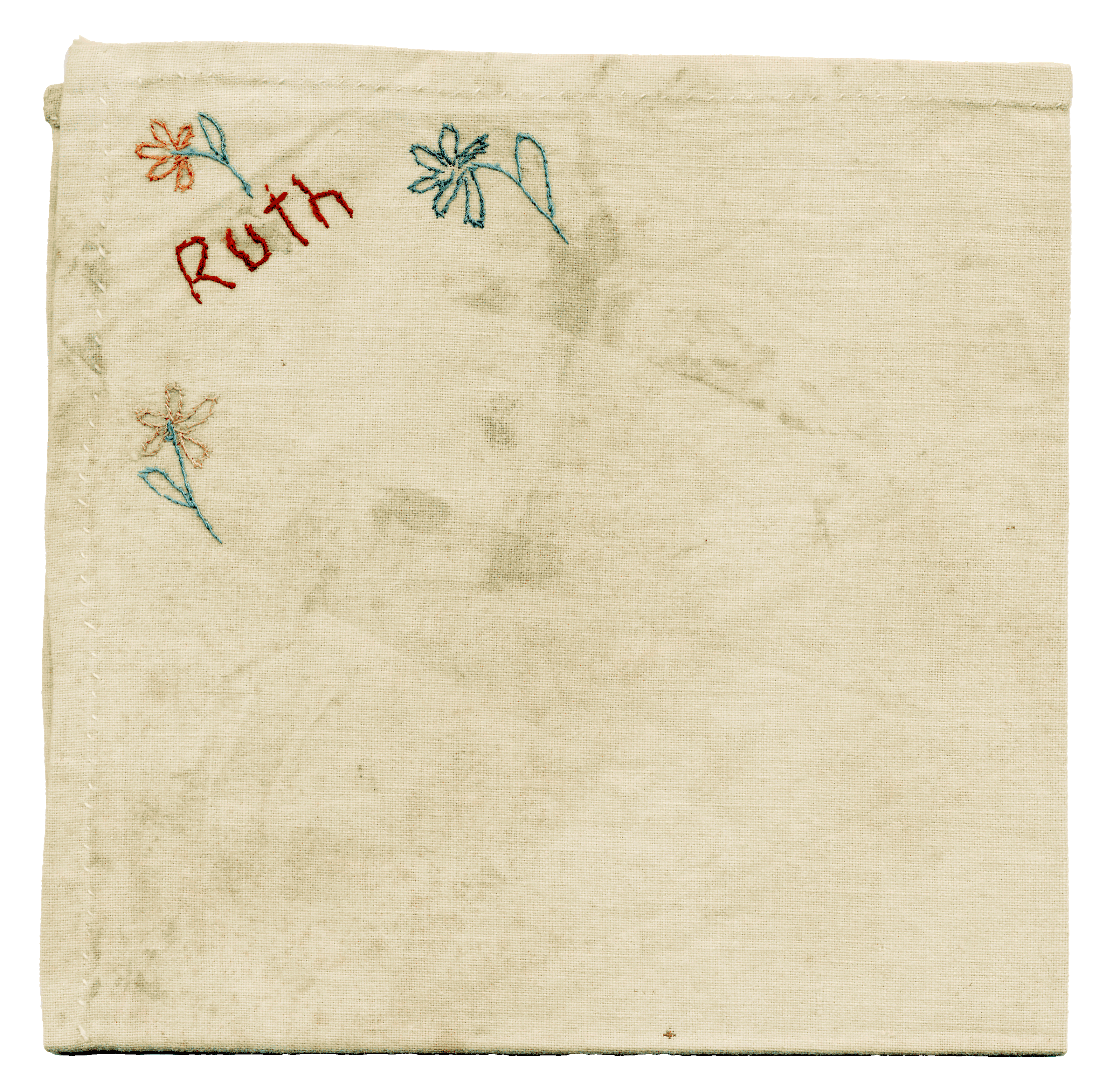
“That’s where we sit, Ruth and I and all our friends. They celebrate our Bat Mitzvah. Each brought us something.” Weiter
Some small handmade present, little dolls of red and blue wool, embroidered handkerchiefs, a little scarf each, a tiny tablecloth with two napkins, ribbons for our hair... It was very festive; I have a very good memory of this celebration, the “togetherness” and the feeling of being “celebrated”!
The girls also read us a song they wrote. I kept it, and when we left Bergen-Belsen, I took the song and the gifts that Ruth received with me. I didn’t take mine because we could only take very little with us.
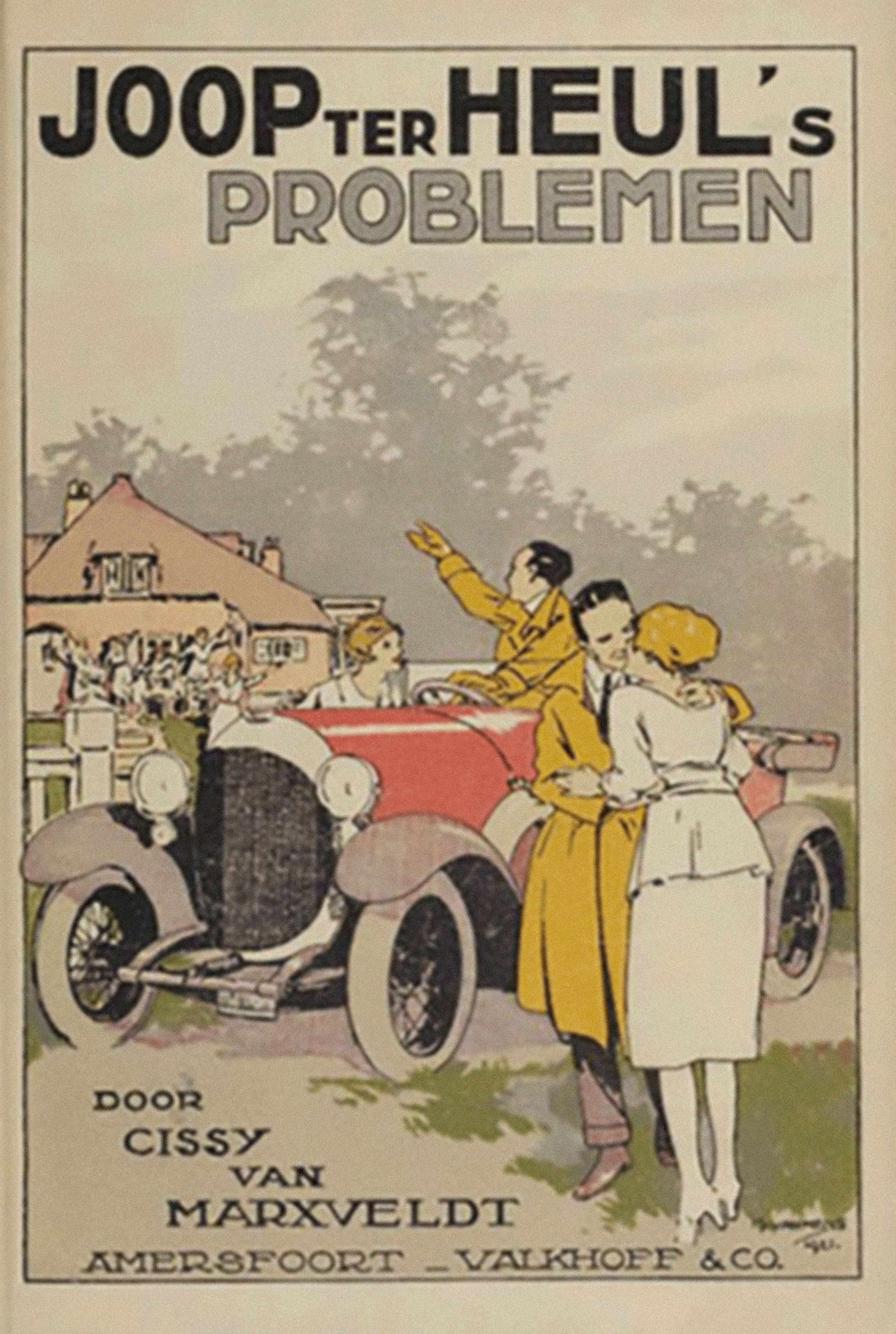
Transcription
“When we left for Bergen-Belsen, I was allowed to take two books with me in our limited luggage.” Weiter
I chose two books by Cissy van Marxfeldt. The books were “Joop ter Heul’s Problems” and “Joop van Dil ter Heul”. The books were about a teenage girl growing up, who had many problems, but they were completely different from the problems I experienced in those years. These were amusing and carefree books. I read them over and over again in Westerbork and in Bergen-Belsen.
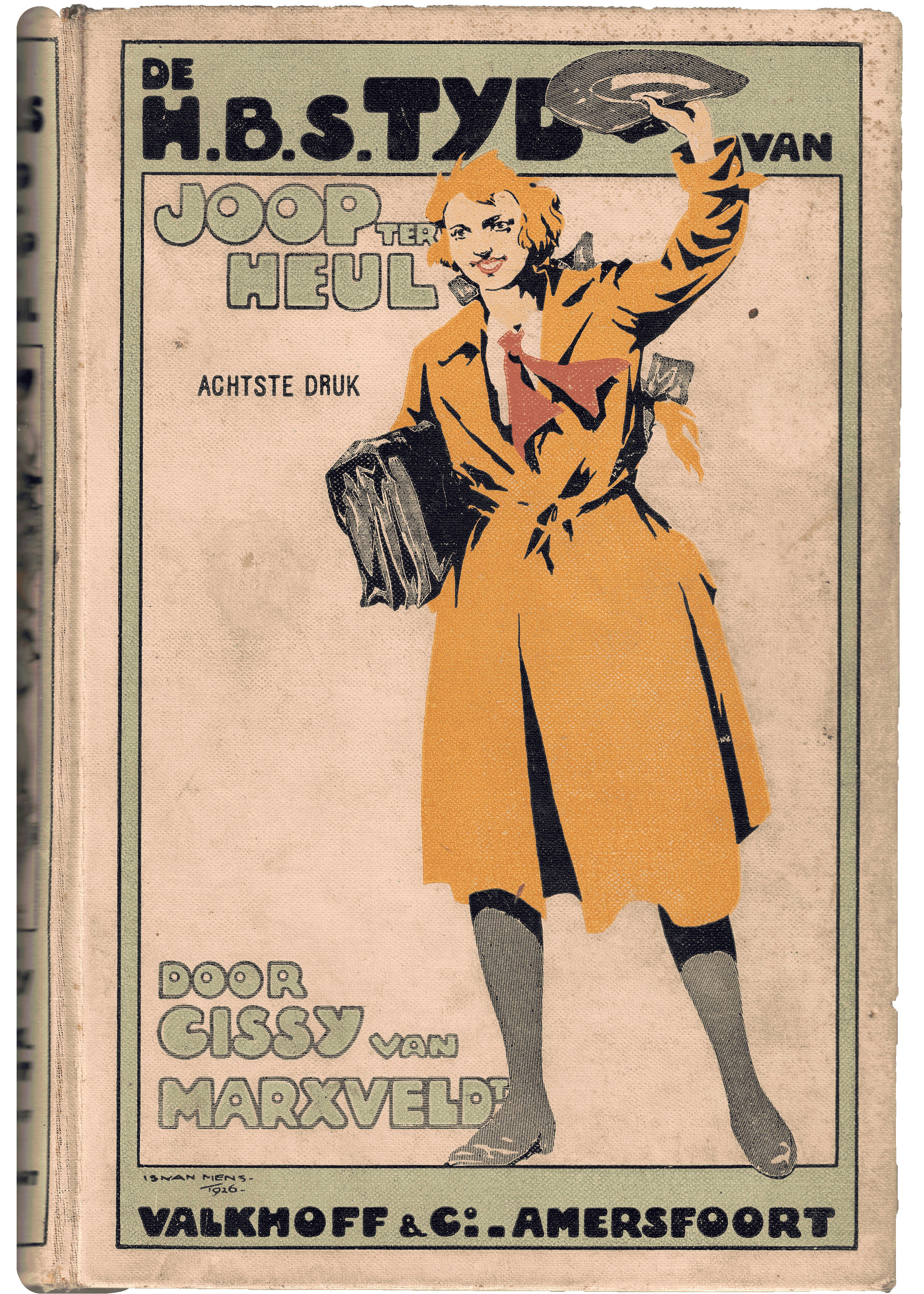
Transcription
“Miraculously, in the last few months at Bergen-Belsen, I managed to get my hands on another book by Cissy van Marxfeldt.” Weiter
It was the first of the four volumes: “The High School Days of Joop ter Heul”.
The most beautiful memory of this book that stayed with me was one afternoon. There were alarm sirens because of allied planes passing by and my mother couldn’t go to work outside the camp. I read her a passage from the book, and she listened. A while later, when the siren ended the alarm, she was forced to return to her work in the kitchen. My mother was a very active and positive woman, yet very stressed. She was understandably affected by the tension and horror before and during the war. She was often impatient and nervous, and that hour we spent together was a surprising and special gift that I will never forget.
What made the situation worse from December 1944 onwards?
The SS wanted to prevent the concentration camp prisoners from being liberated and cleared out the concentration camps that were being approached by the advancing Allied troops. From the end of 1944, Bergen-Belsen became the destination for evacuation transports and death marches from other camps.
© United States Holocaust Memorial Museum, Washington, D.C., No. 34755
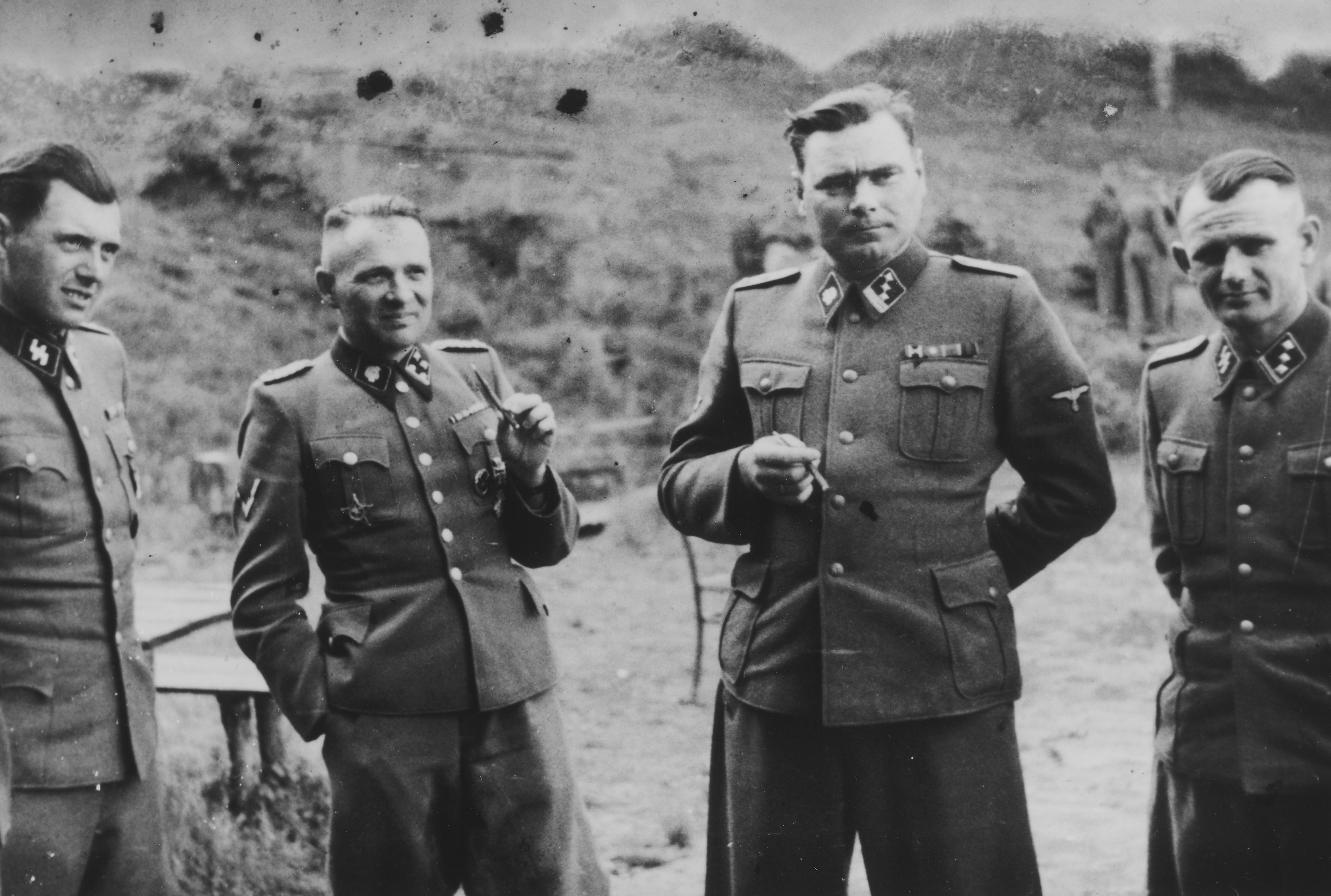
In December 1944, Josef Kramer was appointed commander of the Bergen-Belsen concentration camp. He had previously been in charge of the Auschwitz-Birkenau concentration and extermination camp, where he was responsible for the murder of more than 300,000 Hungarian Jews, among others. When he took up his post in Bergen-Belsen, the living conditions of the prisoners deteriorated dramatically.
The photo shows leading SS officers at the SS recreation centre Solahütte near Auschwitz, probably in July 1944. From left to right are physician Dr Josef Mengele, former commander of Auschwitz concentration camp Rudolf Höß, then commander of Auschwitz-Birkenau Josef Kramer, and Anton Thumann.
© National Collection of Aerial Photography, Edinburgh, United Kingdom, NCAP_ACIU_16_1172_4084. All rights reserved
The SS needed space to hold the newly arriving prisoners in Bergen-Belsen. The exchange prisoners were crammed into fewer and fewer barracks. The men’s and women’s camps were also completely overcrowded, even though both parts of the camp were taking up more and more space. In mid-January 1945, the German Wehrmacht handed over the grounds of a prisoner-of-war camp adjacent to the concentration camp to the SS. Additional female prisoners were housed there. The women's camp was now the largest part of the Bergen-Belsen concentration camp.
What consequences did the further deterioration of conditions have for the Tal family?
Shortly after Ruth and No’omi’s birthday on 5 December 1944, the prisoners were crammed together even more tightly. Soon afterwards, Ruth fell ill and died. Mother Fré contracted typhus, Father Sander was severely weakened and Chanan came down with typhus.

© Private property of the Tal family
“Like everyone else, we, too, had been ordered to crowd even more. Two in each bed.” Weiter
People were added to the camp in an almost constant stream: to our compound and to the surrounding compounds. Amidst the mighty mess, the four of us actually got settled quite well. We decided it would be best to have a small one and a big one in each bed: Mother and Ruth, Marion and me. We ended up pleased with our new place. We had two upper beds next to each other and adjacent to the wall. Above our heads, there was a bit more space, and we also had a nail: storage place for the night. We didn’t enjoy our “luxury apartment” for a long time, though: after about a week, Ruth fell critically ill and was hospitalized in the hospital hut.
“Ruth was very sick. She got worse in no time.” Weiter
After a few days, Mother let me visit her. When I stood in front of her, I felt like she was behind glass, I saw her, but she didn’t see me.... There was no contact. She died shortly after that visit.
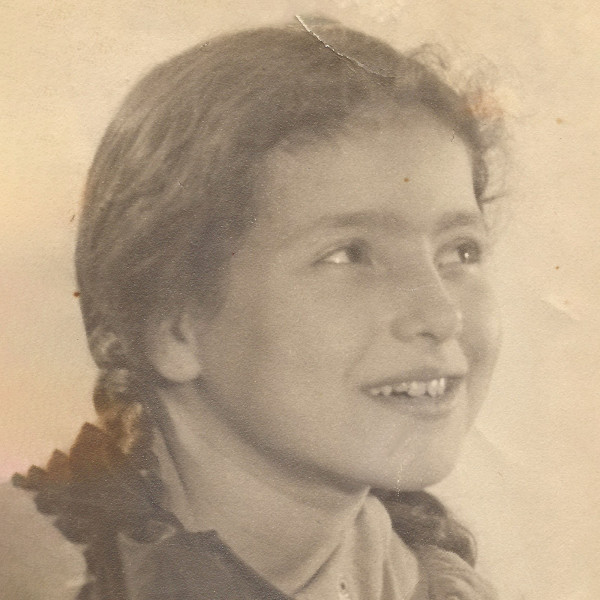
Ruth Tal
1932-1945
“That winter, our sister Ruth died on 3 January 1945, 18 Tevet 5755 in the Jewish Calendar, at the age of 12.”
© Private property of the Asscher family
“We followed the cart that took those who died that day, Father and I together. We crossed the roll-call field and walked the way to the gate of the compound.” Weiter
The cart went through the opening, and turned left. We stood close to the barbed wire fence to the right of the gate. Father said Kaddish.
Chanan, Marion and Mother couldn’t accompany Ruth because they had to work or were sick. Not many years ago we talked about it, Chanan, Marion and I, but we didn’t remember... What I do remember is that Mother got typhus and was moved to the hospital barracks shortly after Ruth died. Marion and I slept together in one bed.
“On the way back, my father told me about Rabbi Meir and his wife Bruria.” Weiter
One Saturday night Rabbi Meir returned home from the synagogue. He wanted to know where his two sons were. Bruria, his wife, asked him, “If the person who gave me a deposit asks for it back, should I give it back to him?” Rabbi Meir replied: “Of course!” Bruria told him: “God asked our two sons back.”
“When you were born,” Father told me, “we only expected one child. And we were surprised; we got two daughters! Now we’ve been asked to give back one girl.” And so, he tried to comfort himself, emphasizing the happy twelve years Ruth lived with us.
“Father said, ‘Sing! That’s how you should remember her.’” Weiter
That day, or a day or two later, when Father and I were walking together on the roll-call field, I caught myself humming. I was shocked – not nice! I’m not supposed to sing; Ruth just died... Father noticed what I was going through and said, ”Sing! That’s how you should remember her.” I immediately adopted that advice, and since then, it has been accompanying me my whole life.
© Ghetto Fighters’ House Museum, Israel, Catalog No. 528, Registry No. 13959, page 93
Transcription
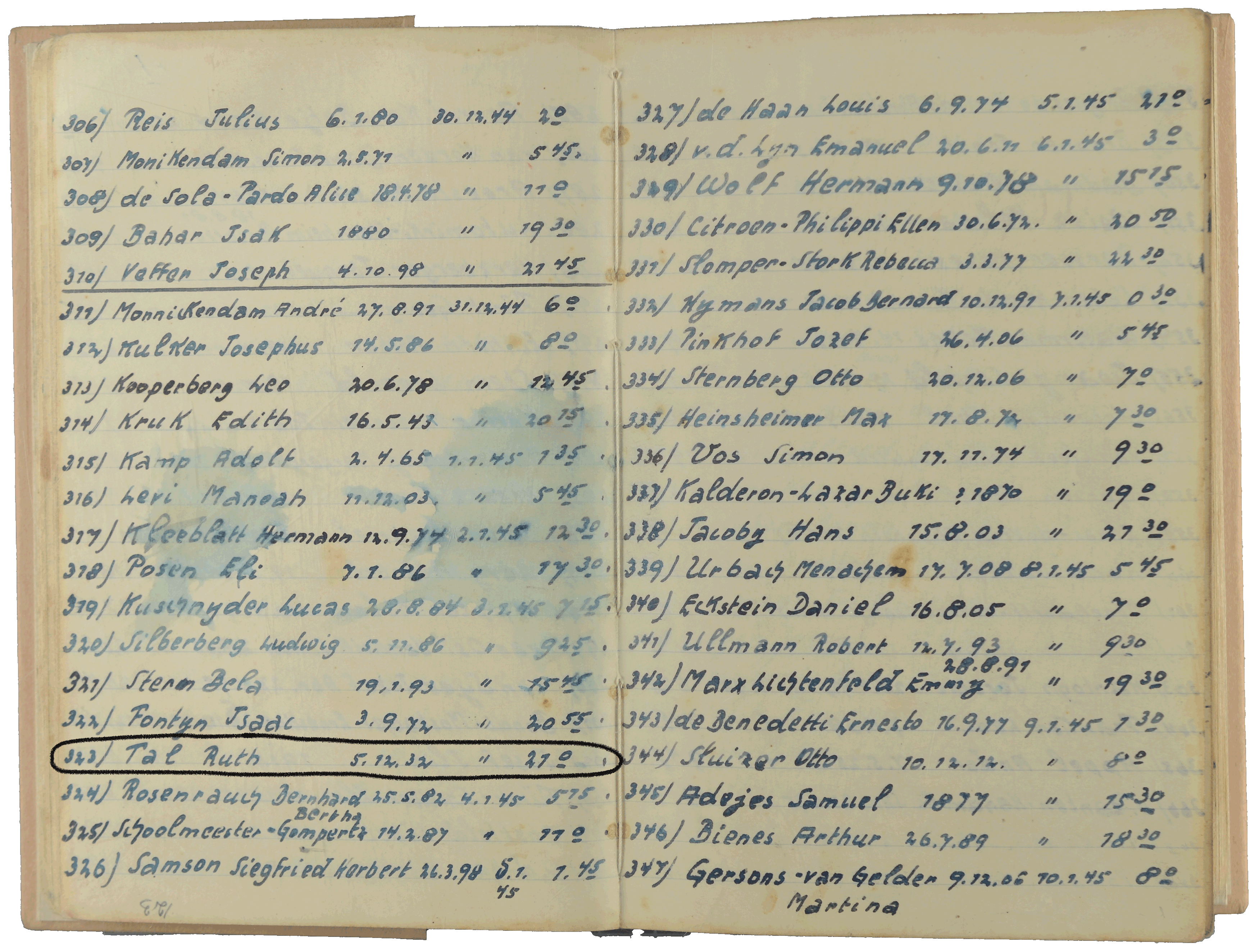
The camp elder, Josef Weiss, recorded the deaths in the Star Camp. In a numbered list, he noted the name, date of birth and death, and time of death.
By early January 1945, more than 320 prisoners had already died there as a result of hunger and disease. Of the approximately 4,500 inmates of the Star Camp, hundreds more lost their lives before liberation.
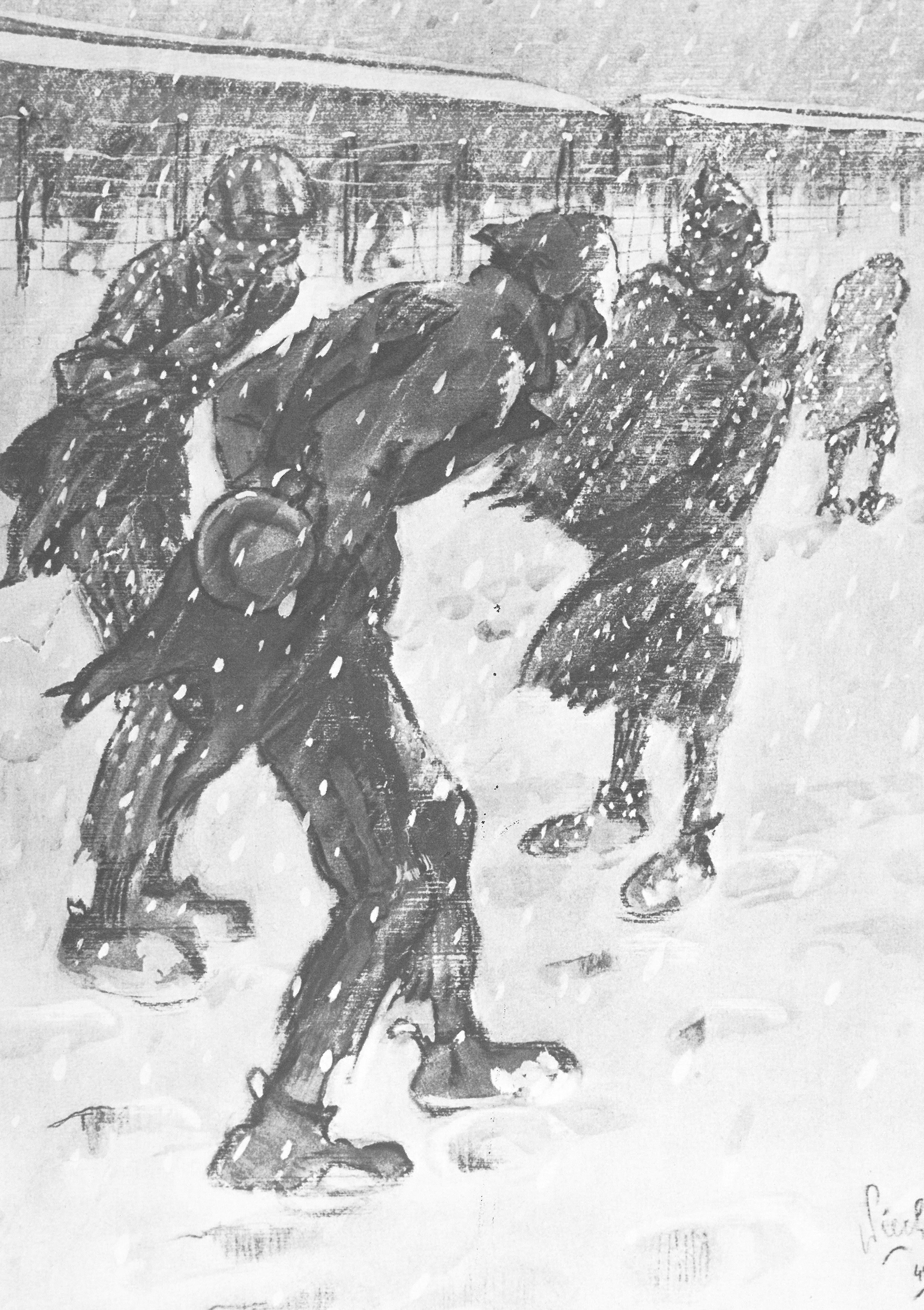
“Father Sander was a slim man with a healthy appetite. The meagre and little food they gave us was not enough for him.” Weiter
After a year in the camp, at the beginning of the second winter, it was evident that he was growing weaker and weaker. The extreme weather, the cold, the snow and the mud, in addition to the constant hunger, severely affected him. Ruth’s death caused him great grief, and his health and mental state gradually faded, and Father became indifferent to his surroundings.
During the final and difficult months, the two of us slept together, with our few possessions, on a 60 cm wide upper bunk. The daily roll-call was held in the narrow space between the shacks after the area of the Star Camp had been limited to a minimum during the autumn. Together we stood there for many hours, in all weather conditions. During this time, I took care of Father, cut his hair, and conducted, for both of us, a constant battle against bedbugs, fleas and especially lice. Father was 41, and I was 14.
“Last winter was the worst of all, the situation got worse, with despair and death everywhere.” Weiter
We suffered badly from cold and snow. The sanitary conditions in the camp deteriorated below any level that can be described, a filth that has not yet been seen in this world. The quality of the food and quantity, which was not enough anyway, deteriorated further. The kitchens couldn’t handle the workload because of the number of prisoners in the camp. The food arrived at unexpected times and sometimes not at all.
In the end, even drinking water was only available at times. The lice caused the outbreak of a typhus epidemic that claimed many victims. Drugs were not available.
© IWM, ART LD 5467
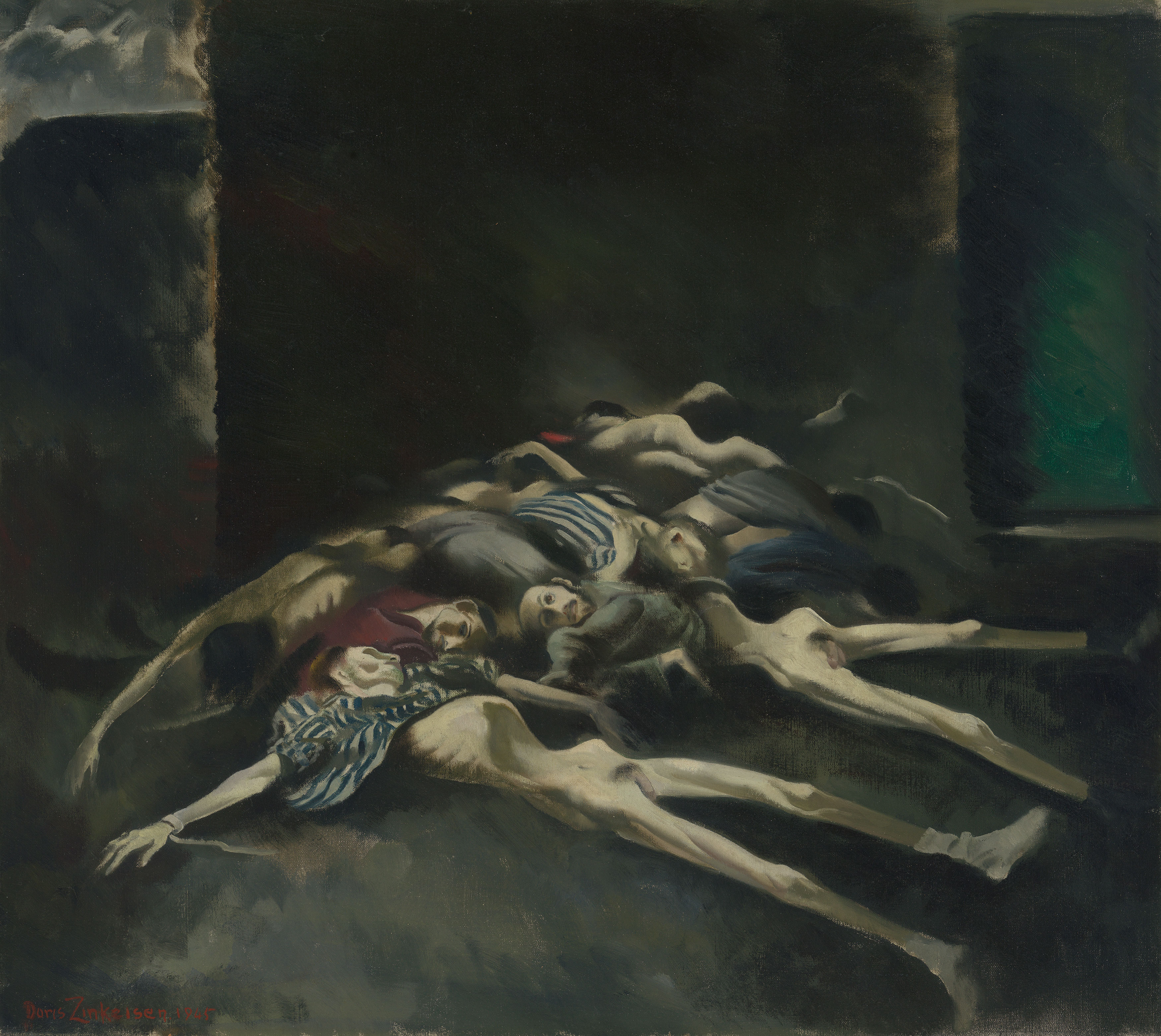
“Piles of dead; it was so horrible; you couldn’t believe it at all.” Weiter
Piles of dead people lying there in the middle of the camp, and I remember… It’s a terrible thought… I remember they put them in a certain order, layer upon layer, crisscross... and that I suddenly thought, “It’s just like loaves of bread.” Maybe because I kept thinking about bread all the time because there was nothing to eat. You couldn’t believe it, you couldn’t...
Most of the dead, these piles of the dead, were not inside the Star Camp, but behind the fence, in front of our eyes.
What consequences did the further deterioration in conditions have for the Levenbach family?
Annelie’s father, Dolf Levenbach, died in Bergen-Belsen. Because her mother and brother had to work the next day, Annelie accompanied the cart carrying her father’s body alone to the gate of the Star Camp.
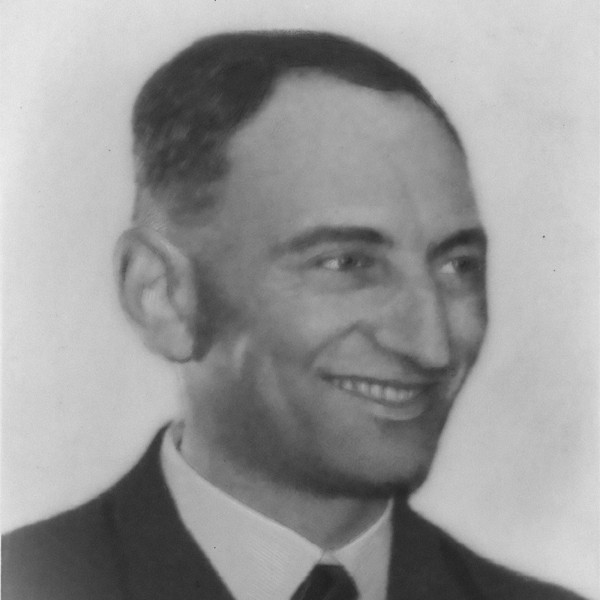
Dolf Levenbach
1891-1945
“Father died on 3 March 1945, the 54th year of his life.” Weiter
He died of general exhaustion caused by hunger, cold, diarrhea and hard work. Occasionally there were penalty drills at the roll-call field, where the men, after a grueling day’s work, had to run around the field. Father never complained but once said he felt terrible about what his kids had to experience. I remember trying to reassure him.
For weeks I knew he was going to die, because sometimes in the evening, when we went together for a little walk between the barracks and looked at the stars, our only refuge, he was for a moment “gone”. I knew, from my experience with other people, that this was the result of exhaustion and that he didn’t have much time left to live.
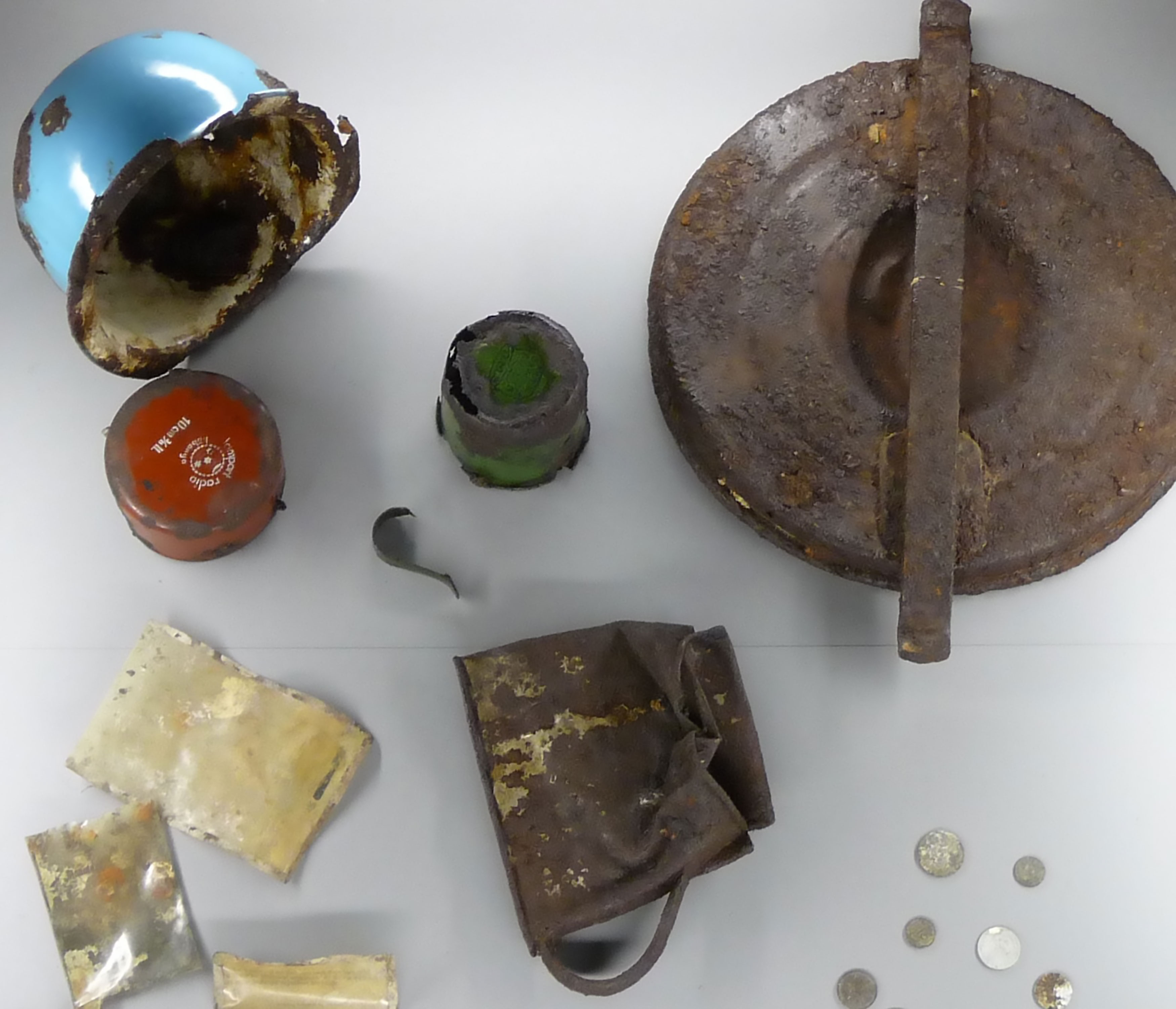
© Bergen-Belsen Memorial
“When in the end, he could no longer get up, I came every day to feed him turnip soup.” Weiter
I can still see it clearly. He was lying on the bottom bed, and I was holding the spoon with the handle tilted downwards, which made it difficult for him to eat, but Father always stayed patient with me and didn’t complain. He was a gentle man with a wonderful sense of humour, and I felt very good with him. He never yelled, and he was very moderate. He had a strong love of nature; we went for long walks or bike rides and worked together in the garden. Bergen-Belsen had no nature, only shacks, mud and sand.
“There was no time to grieve; we were too busy surviving.” Weiter
It was the last and worst month in the camp. Almost no food and water, many diseases and many dead. It was only later, in the Netherlands, that I realized the magnitude of the loss and realized the deep sadness that accompanied me for many years. I could barely bear it until it diminished a little when my life circumstances improved.
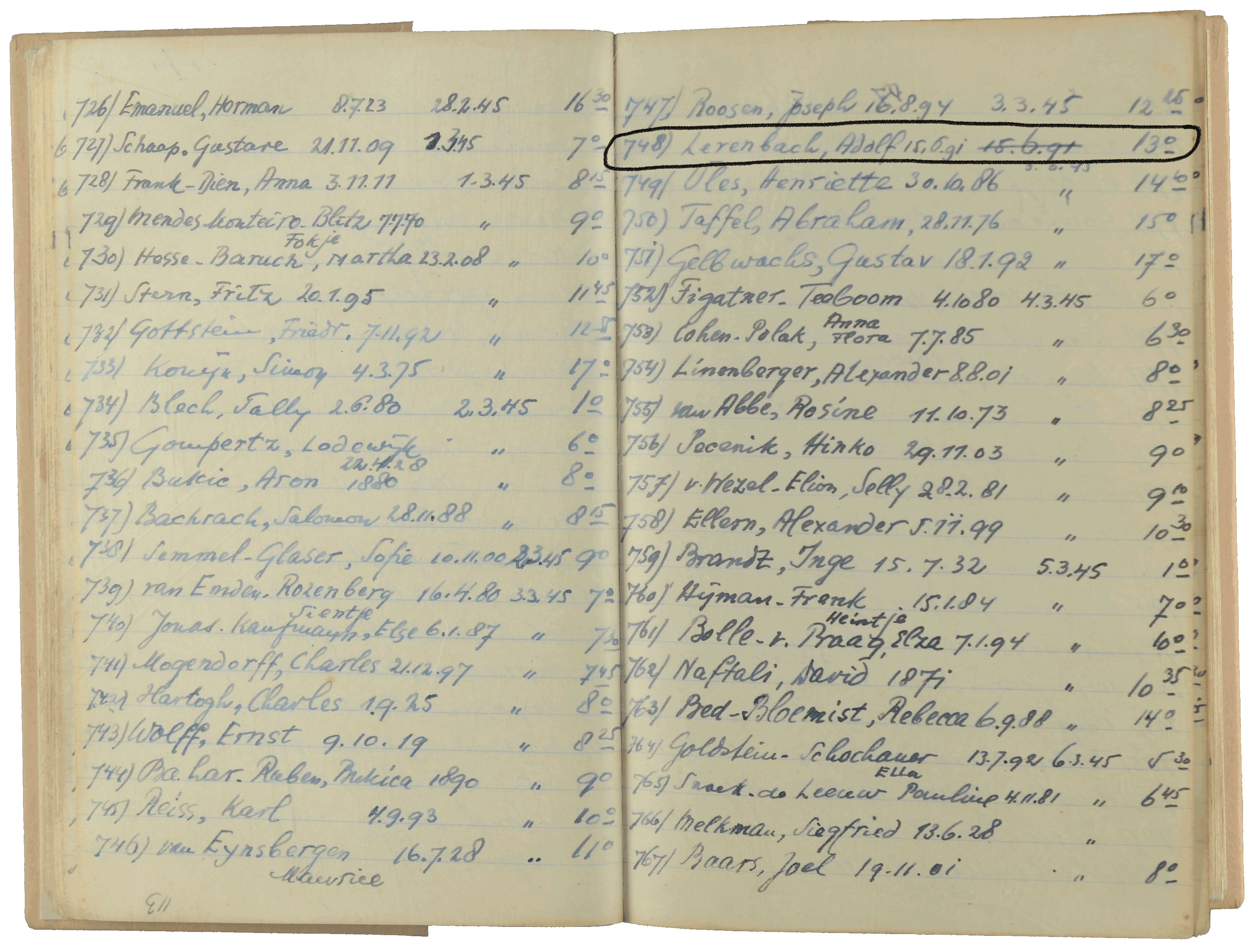
© Ghetto Fighters’ House Museum, Israel, Catalog No. 528, Registry No. 13959, page 106
Transcription
Josef Weiss’ notebook for the Star Camp records only a fraction of the deaths at the Bergen-Belsen concentration camp. Of the total of 120,000 prisoners who were deported to the exchange camp, men’s camp and women’s camp, 38,000 had died by the time of liberation on 15 April 1945, and another 14,000 died in the weeks that followed as a result of their imprisonment.
Camp commander Josef Kramer and his SS team later attempted to deny responsibility for the suffering and deaths of tens of thousands of prisoners. In fact, they were unable to prevent the SS leadership from sending these people to Bergen-Belsen on evacuation transports and death marches. However, the camp commander had a direct influence on the living conditions of the prisoners in Bergen-Belsen. For example, the camp leadership cut back on supplies to the prisoners, even though there were sufficient stocks of food and medicine.