


Before the War

The four Jewish teenagers lived with their parents and siblings in the Netherlands. In what was then the Kingdom of the Netherlands, Jews enjoyed equal rights with other citizens. There was freedom of religion and little hostility towards Jews.
Who were the parents and siblings of Chanan and No’omi Tal?
Their parents were Frederika Vaz Dias, known as Fré, and Alexander Tal, known as Sander. Chanan had two sisters, Ruth and No’omi, who were twins.
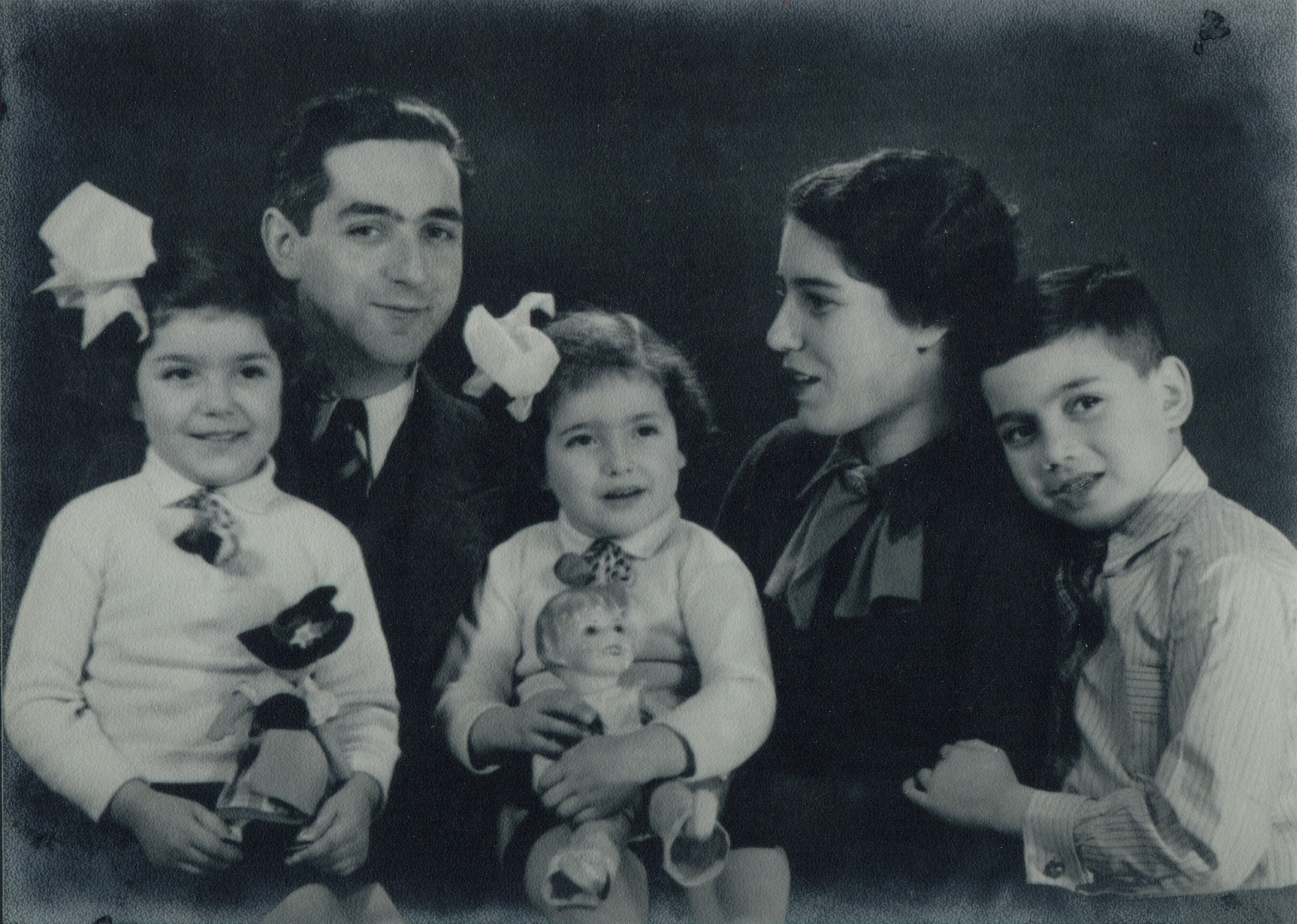
© Private property of the Tal family
Our parents married on 31 January 1929 when Fré was 19. Weiter
They moved in with Grandma Tal, who gave them a flat on the second floor of her house because she wanted Sander to continue living nearby.
Who were the grandparents?
When the Tal family’s children were born, both grandfathers had already passed away. The grandmothers lived in Amsterdam, as did the parents and children.
© Private property of the Tal family
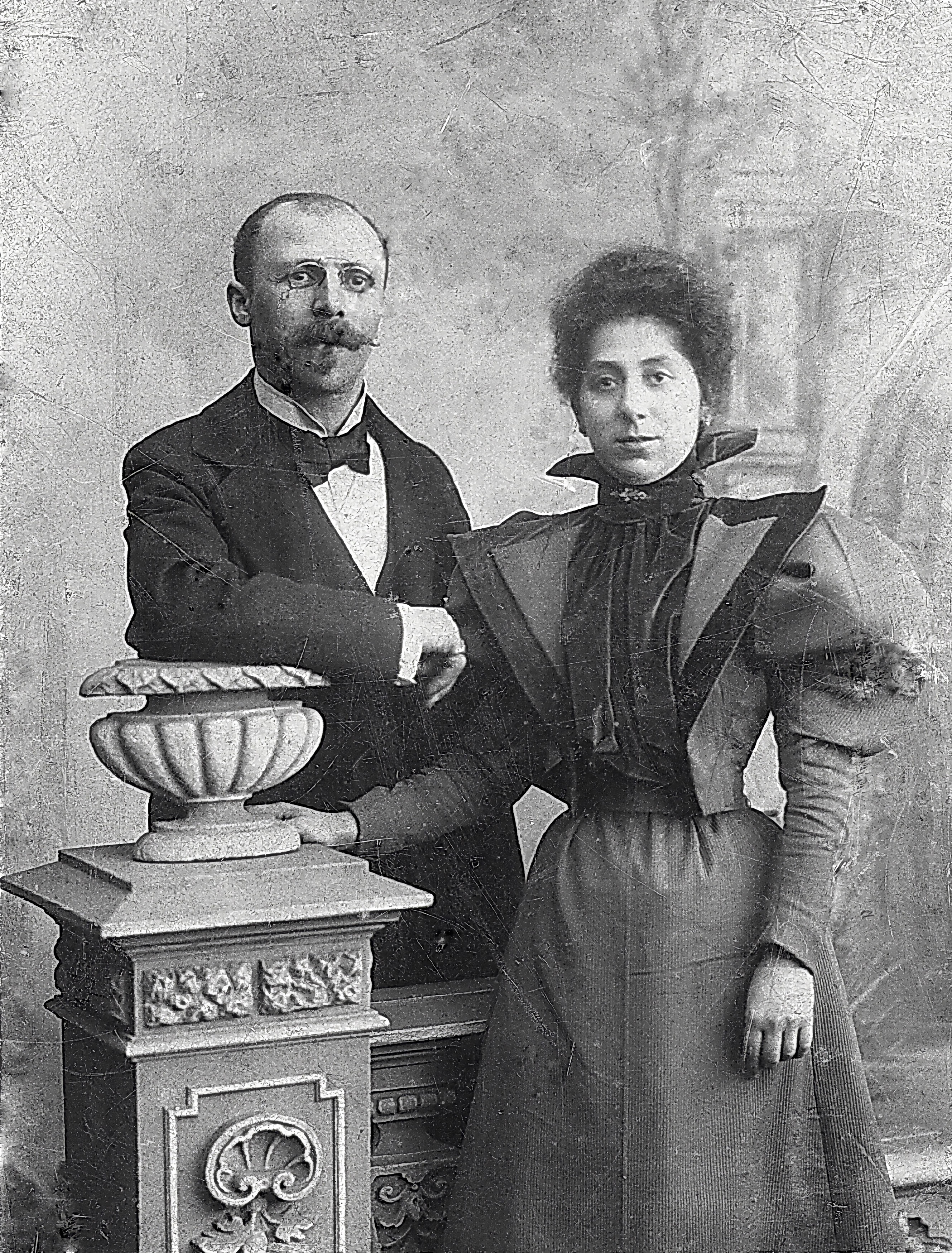
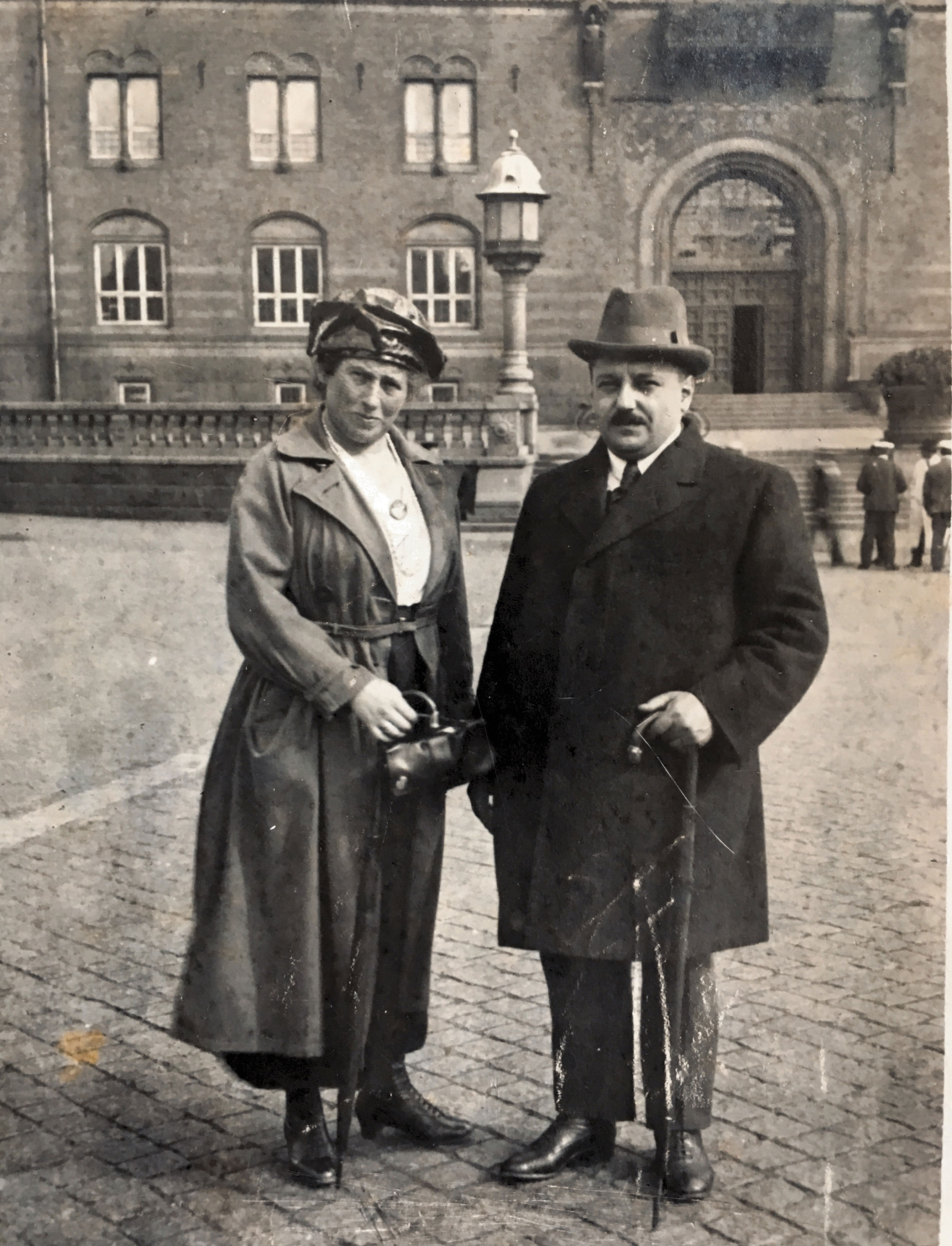
Our grandparents on our father’s side were Salomon Tal, called Shlomo in Hebrew, and Henriette van Zanten. Weiter
They were not young when our father, Sander, was born. Grandpa Shlomo was 52 years old, and Grandma Henriette was 35. Shlomo was the bookkeeper at his uncle’s business. He died in 1927.
© Private property of the Tal family
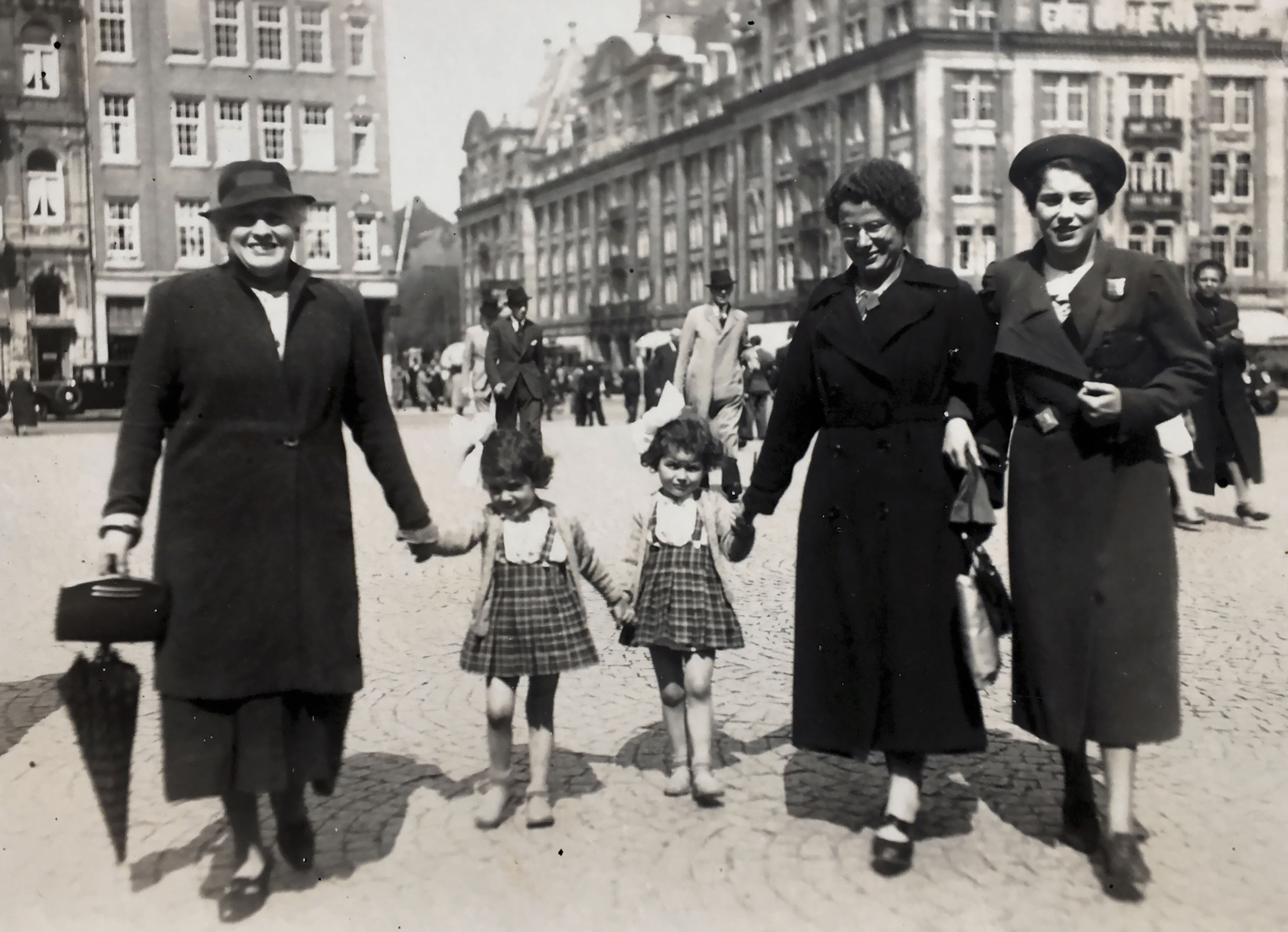
Our grandparents on our mother’s side were Jacob Vaz Dias and Ronetta Elzas, called Netta for short. The Vaz Dias family belonged to the Portuguese Jewish community in Amsterdam. Weiter
Jacob Vaz Dias founded a wholesale agency and trading house for picture framing and all related equipment, especially the rods from which the frames were cut. He was a supplier to galleries, art shops, photographers, etc. Jacob contracted heart disease and kidney failure. He suffered greatly and died on 7 September 1928 at the age of 49.
© Private property of the Tal family
Oma Netta, our mother’s mother, was a very sweet grandmother. Weiter
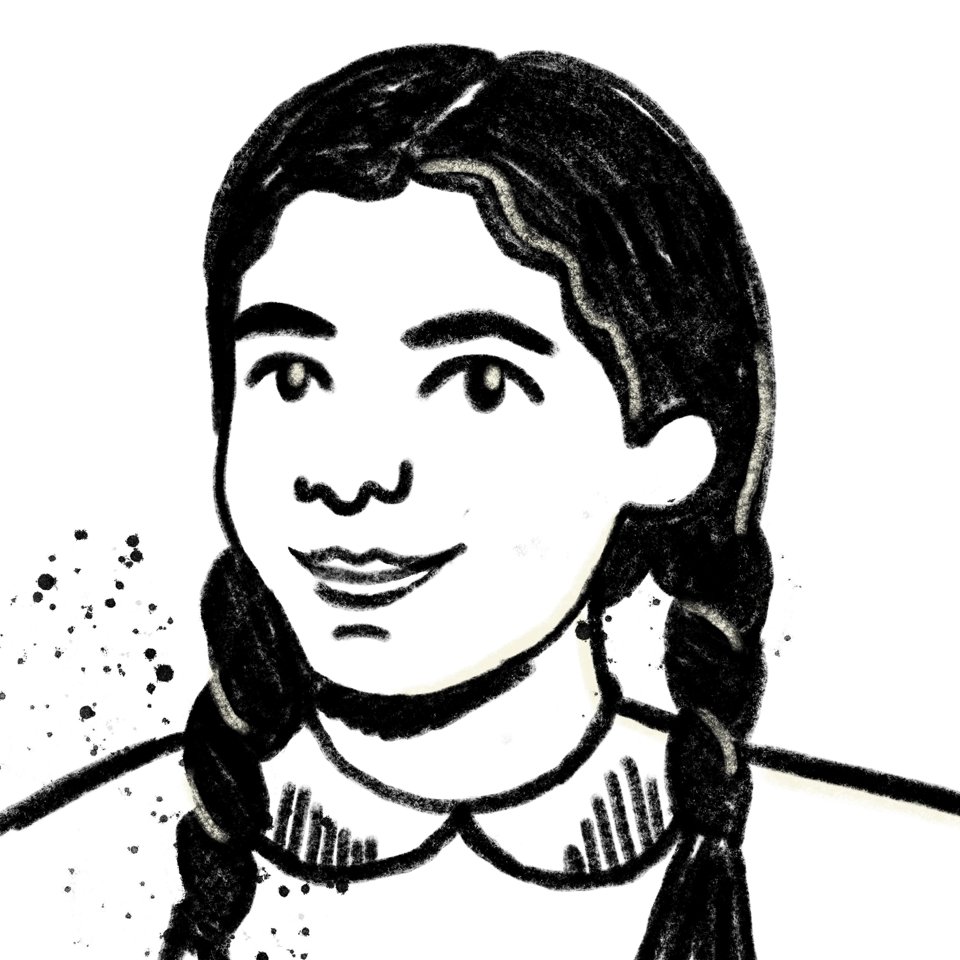
She had curly white hair. I didn't know anyone else with hair like that ... I remember once we went with her to a ‘dolldoctor’ with our ‘wounded’ doll that we pushed in a pink straw pram. We would also hang out at the Vondelpark, we’d be in the playground, and Grandma on the café terrace. I also remember our two grandmothers taking us there once.
Where did the Tal family live?
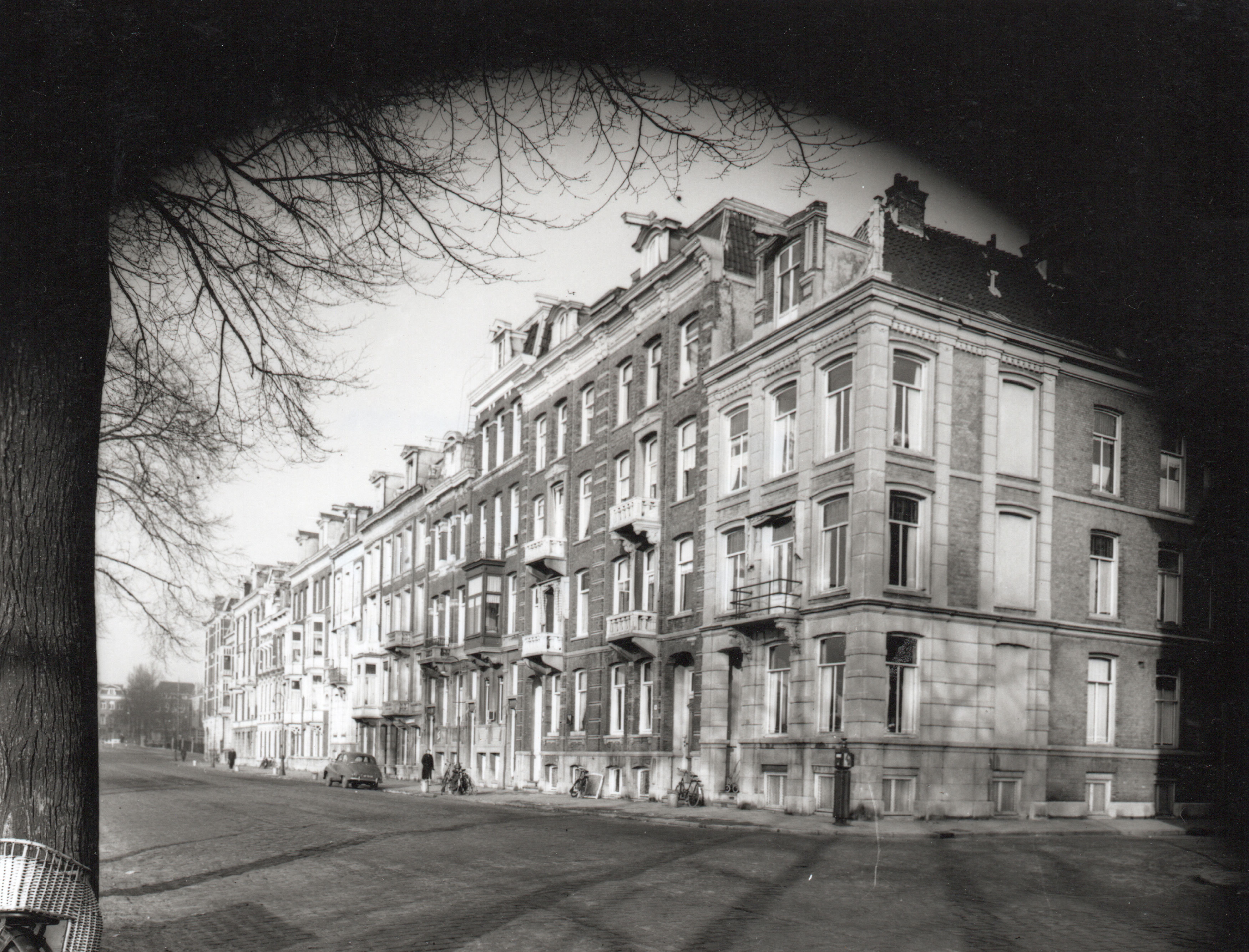
Fré and Sander lived in the house of Grandmother Henriette Tal in Amsterdam. They had a small flat on the second floor. The children were also born there.

Stadsarchief Amsterdam / Cito Plans et Guides H. v. Diehlen, No. KOKA00617000001, copyright-free
© Stadsarchief Amsterdam / M. A. Knopper, No. 010122035296
The three of us slept in a small room, and one of the first things I remember are the twin beds that our father built. Weiter
During the day, they closed as boxes, with the bedding in them, so that we had a platform we could play on. It was original planning and precise execution. Father obviously enjoyed building those beds.
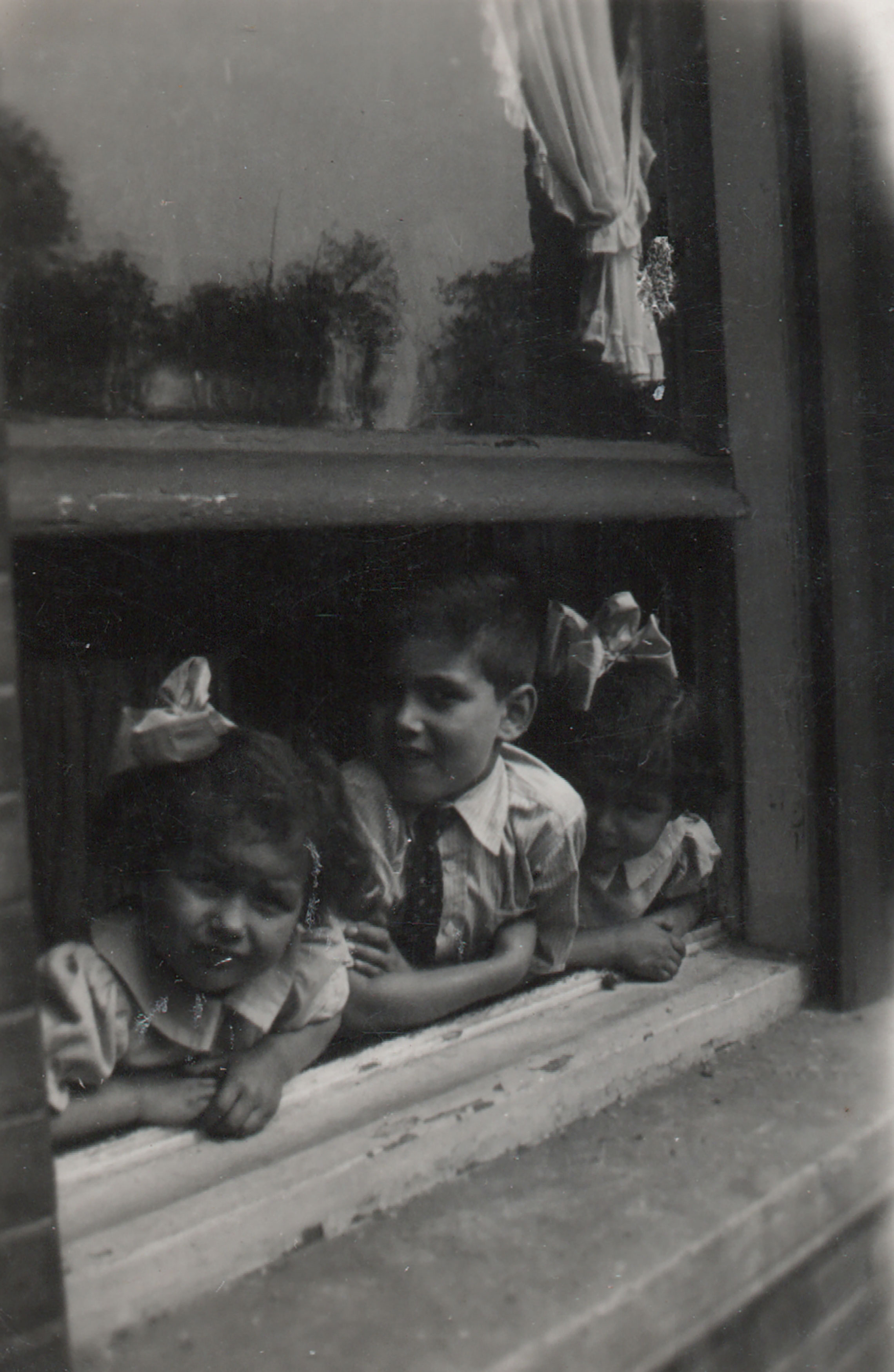
© Private property of the Tal family
We lived near the Amstel, a large river that crosses Amsterdam.
We would watch the ships passing over the water and the bridge opening for them.
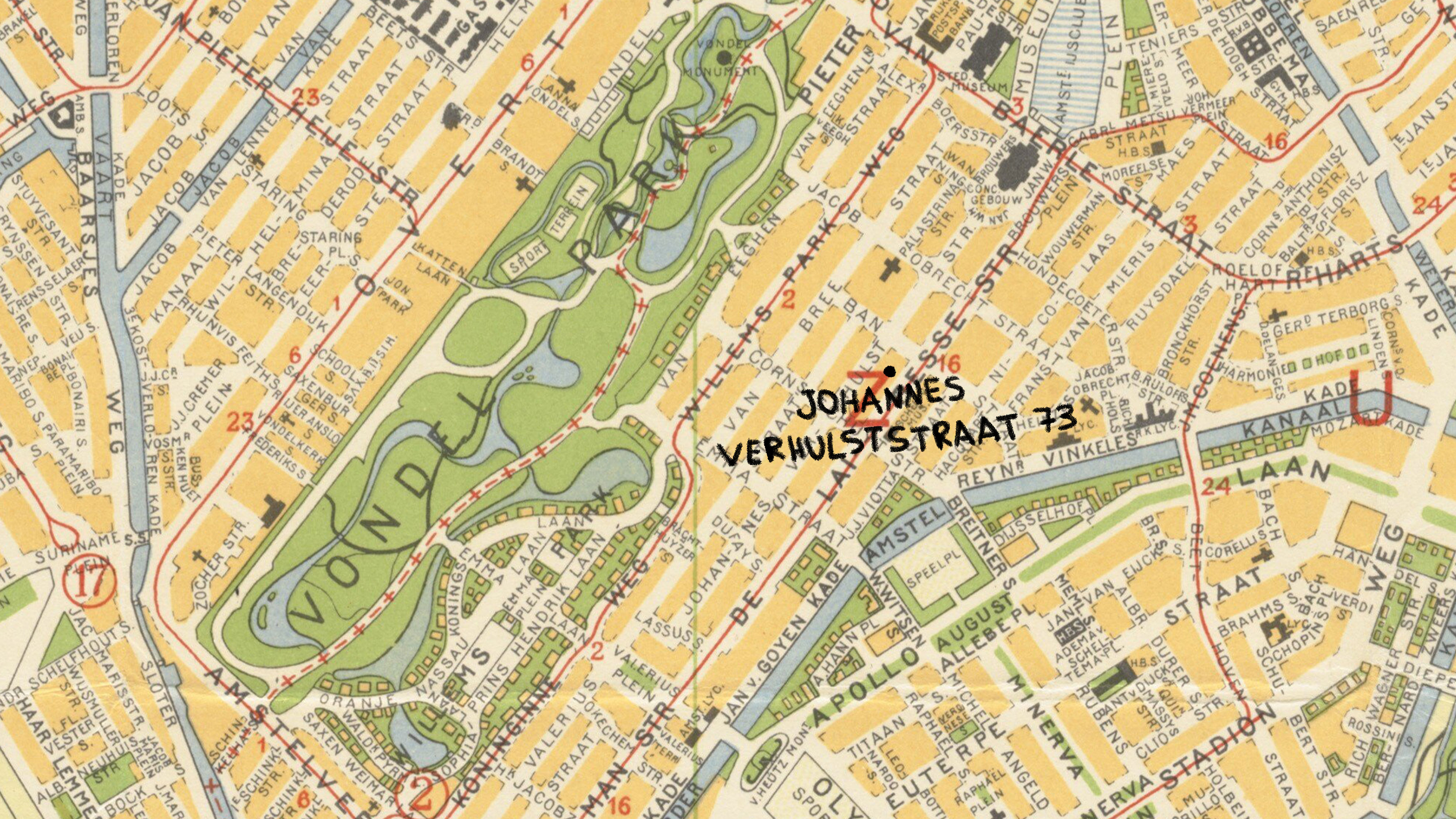
Stadsarchief Amsterdam / Cito Plans et Guides H. v. Diehlen, No. KOKA00617000001, copyright-free
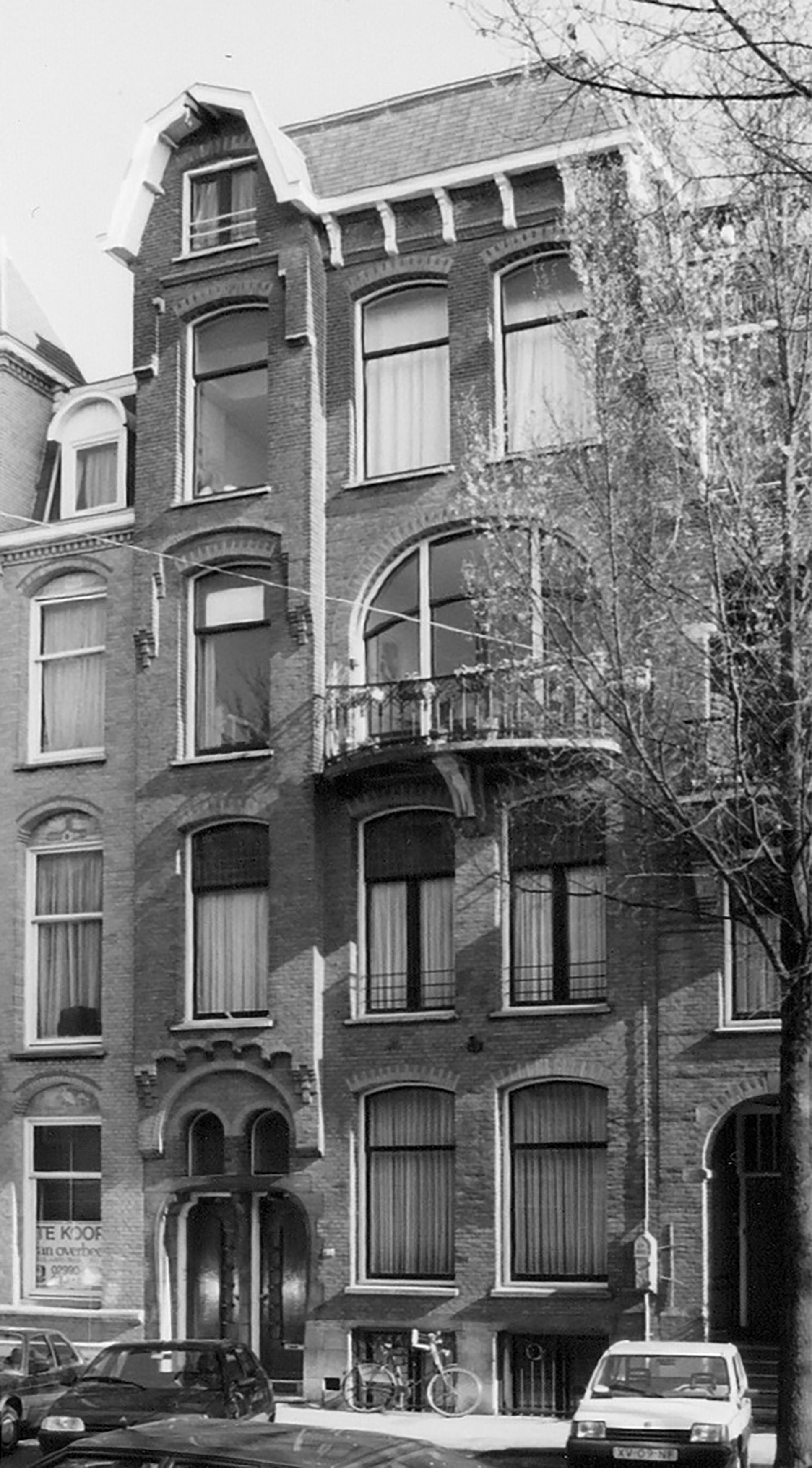
From the estate of Chanan Tal. Original source unknown
In 1938 we moved to a flat in another part of the city. Weiter
The large flat was on the top three floors of a five-story house, starting from the balcony up to and including the attic. The room with the small window under the roof was my room. Only the floor of the living area was heated.
This is where we lived until the day of the expulsion on 29 September 1943.
Grandma Tal lived alone for another two years in the house near the Amstel, but after the war broke out in the Netherlands, she moved to our new home, where she died on 6 April 1941 at the age of 72.
Where did the children go to school?
Chanan, Ruth and No’omi attended the Jewish elementary school, the Herman Elte School in Amsterdam.
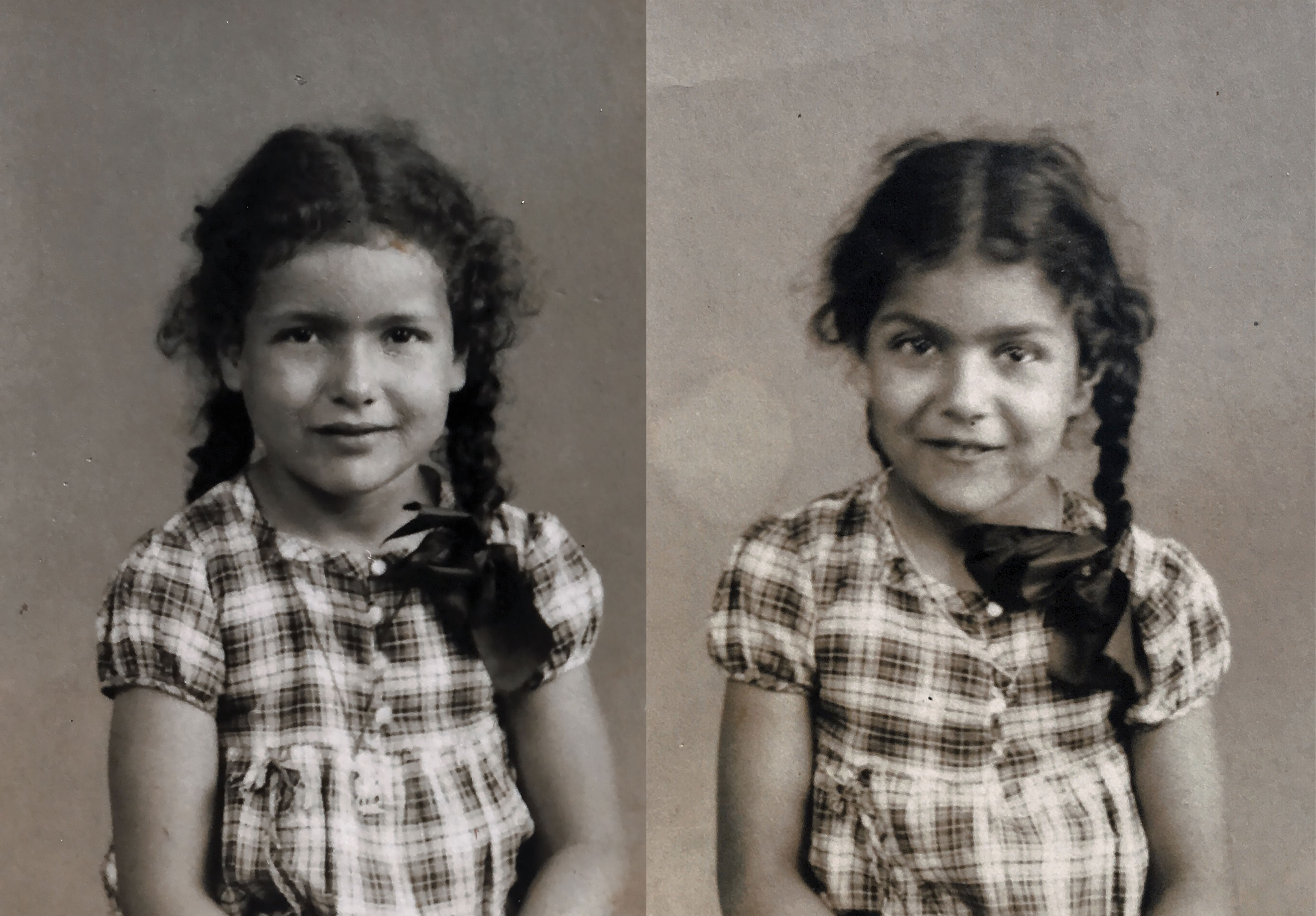
© Private property of the Tal family
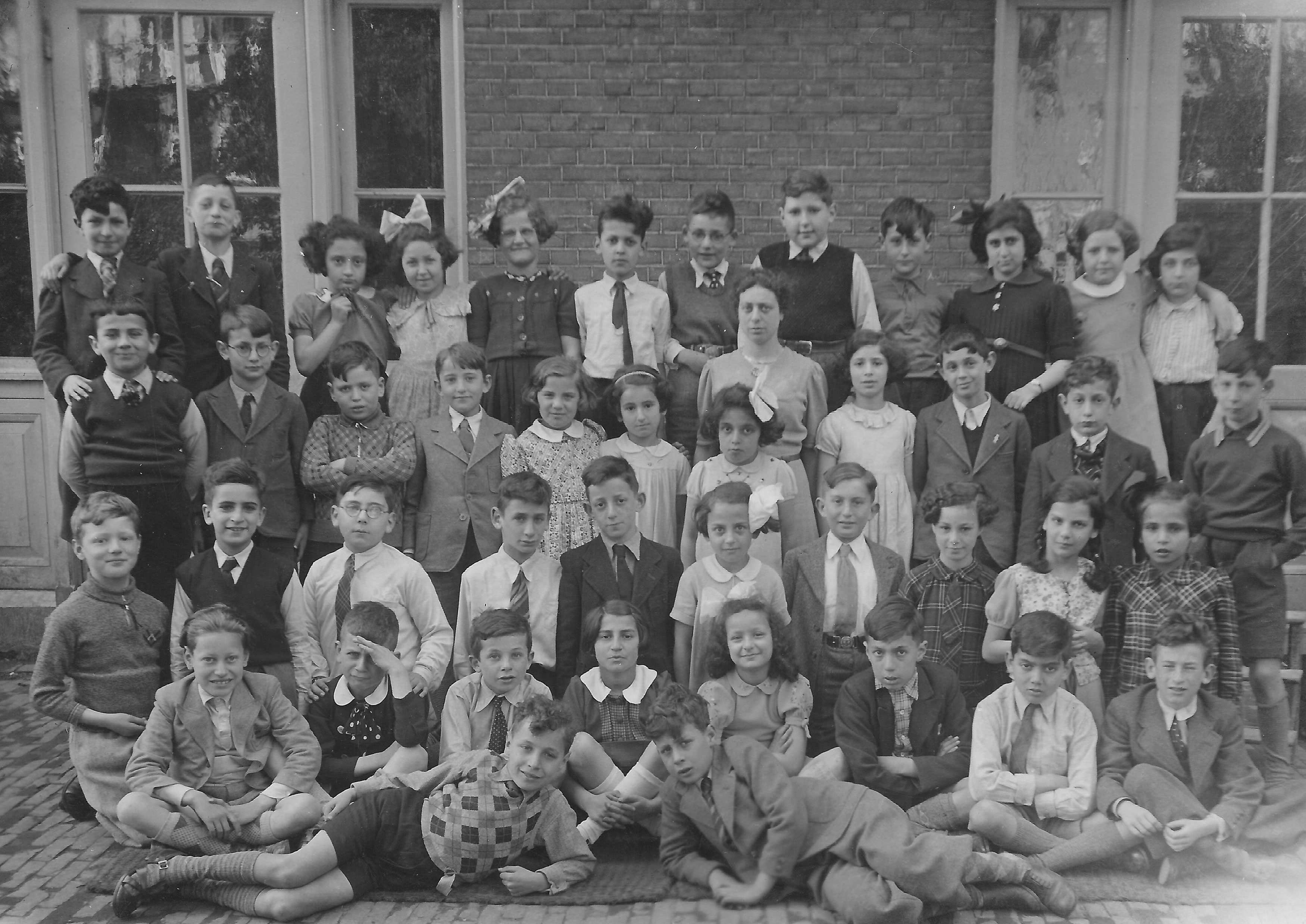
In September 1939, Ruth and I entered first grade, an exciting and joyful event that we had been looking forward to. Weiter
We went to the same class and sat next to each other. We wore a pinafore. We learned to read and write in both Dutch and Hebrew.
© Private property of the Tal family
In the first half of 1939, 43 pupils were enrolled in the third grade at the Herman Elte School.
31 of them and the teacher, Aaltje Fortuijn, were later killed in the Holocaust. That was 74 per cent of the class, the same percentage of all Jews from the Netherlands who were murdered in the Holocaust.
Twelve of the children survived. Seven of them later emigrated to Israel, including Chanan Tal.
What did the Tal family do for a living?
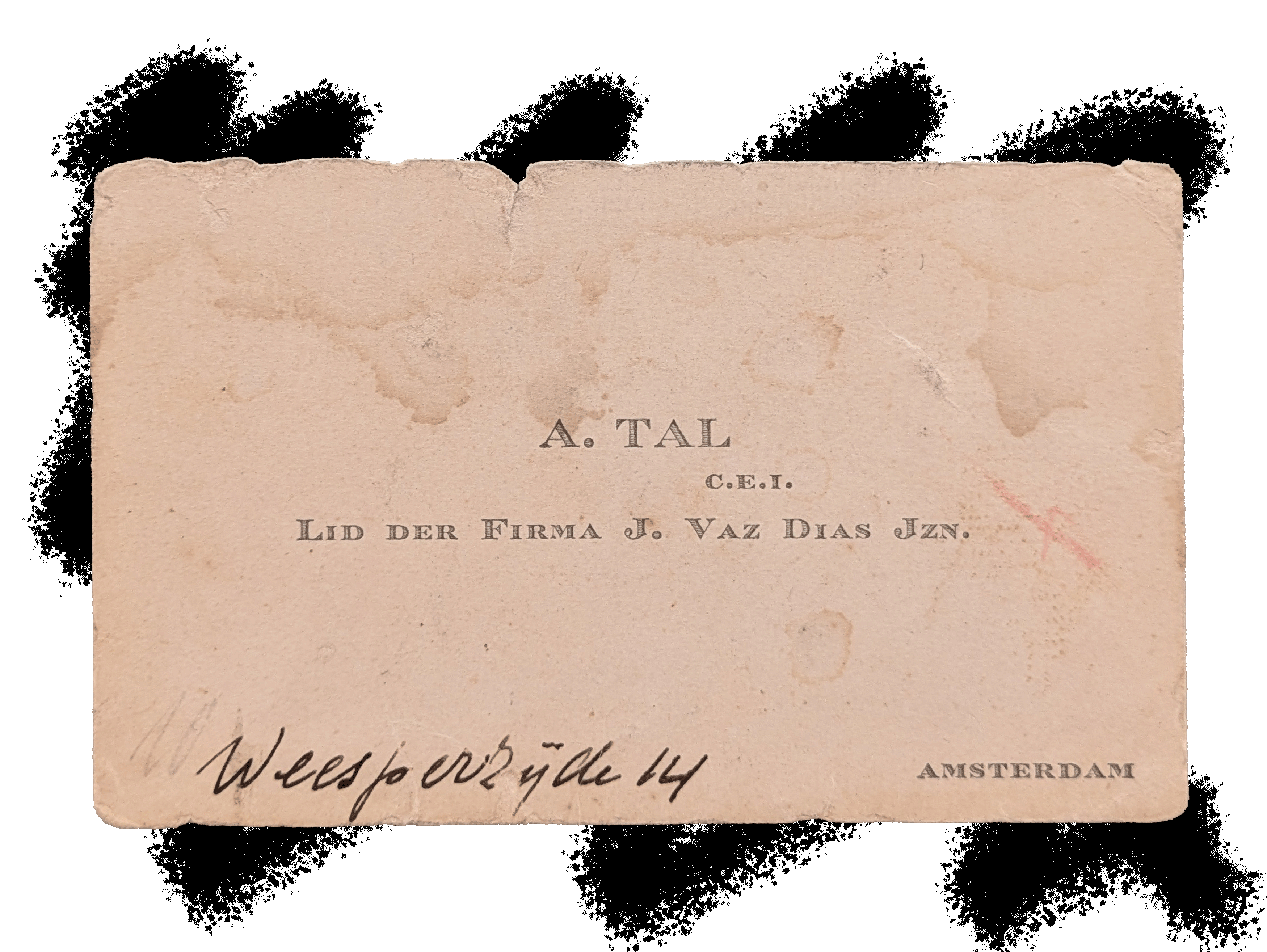
Sander Tal worked in the family business founded by Fré Vaz Dias’ father. He had been studying electrical engineering, but interrupted his studies when Fré’s father fell seriously ill.
© Private property of the Tal family
Transcription
Partner in the firm J. Vaz Dias Jzn.
Weesperzijde 14, Amsterdam
In 1927, our grandfather, Jacob Vaz Dias contracted heart and kidney disease. Weiter
Since he knew he would not live long, he went to arrange his affairs for the day that he would no longer be. Mother’s brother, Uncle Jacques, was too young to take responsibility for the company his father founded.
Grandpa Jacob Vaz Dias suggested that our father Sander stop his studies in Delft temporarily, marry his fiancée Fré, and take over the family business.
Sander agreed. The business was thriving and promising when Sander started working there in 1928. Unfortunately for him, the New York Stock Exchange collapsed in October 1929, marking the beginning of the world’s worst economic depression. Business waned and revenues shrank because people didn’t have money for framing pictures. It took the economy six years to recover and for business revenues to return to a reasonable level.
Why did the parents consider leaving the Netherlands?
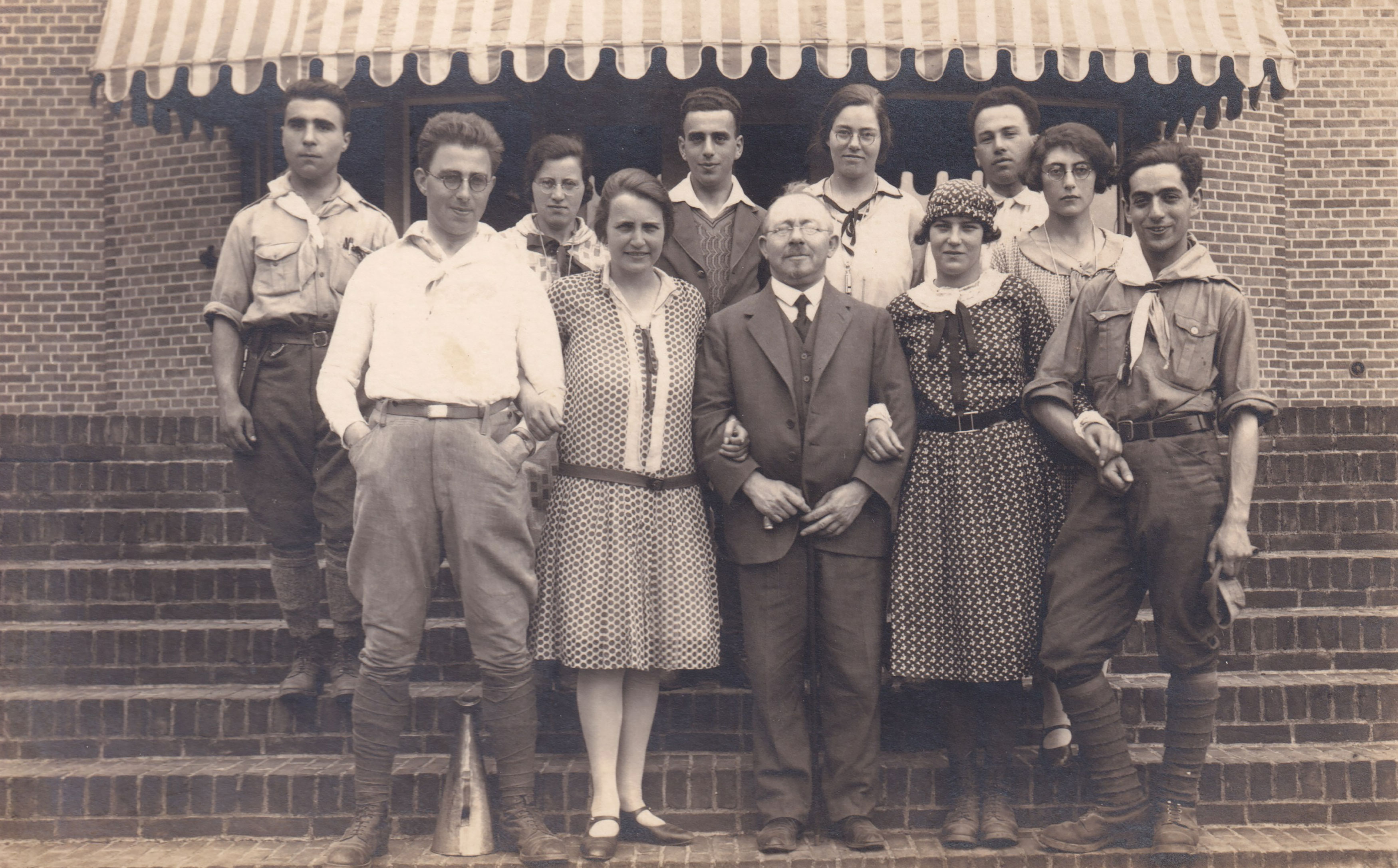
Fré and Sander had met in a Zionist youth group. After marrying and starting a family, they considered emigrating to Palestine.
© Private property of the Tal family
Zionism was founded at the end of the 19th century as a political movement. Its members demanded their own Jewish state. Jews had suffered religious and political persecution for centuries.
The Zionists wanted Jews to be protected from antisemitic exclusion and violence and for Jewish culture and religion to thrive. The movement was named after Zion, the biblical and historical place from which the Jews had been expelled into the diaspora. The Zionists wanted to build their own community in Jerusalem and Palestine.
Religious Jews formed a distinct faction within the Zionist movement. They organised themselves into youth movements such as Zichron Ya’acov and Mizrahi. Fré and Sander Tal were active in these movements.
Our parents considered immigrating to Eretz Israel. In the early 1930s, this idea was temporarily rejected because of the economic crisis. Weiter
In 1935, my father went to Palestine to find out what options were available to the family if we decided to immigrate to Eretz Israel. He realized that he had to finish his engineering studies before immigrating. When he returned home, father continued studying to receive a certificate as an electrical engineer while also working in the business.
1941 had been designated a time for Aliyah, but the outbreak of World War II in September 1939 disrupted these plans.
Did other family members manage to emigrate?
Fré’s younger brother, Jacques Vaz Dias, emigrated to Palestine in December 1936.

© Private property of the Tal family
In the summer of 1933, Uncle Jacques Vaz Dias began preparing for immigration. Weiter
Since he was not interested in agriculture, he chose to study furniture carpentry and worked in a carpentry shop for three years, while studying drafting and technical subjects related to the profession and building woodwork. In 1936, he received an immigration certificate with the help of a loan of 1,000 Palestinian pounds, became engaged to Helena Hoek, whom he met in the youth movement’s camp, and immigrated to Palestine in April. Helena immigrated in 1937 and they married in Haifa.
Where did Annelie Levenbach live with her family?
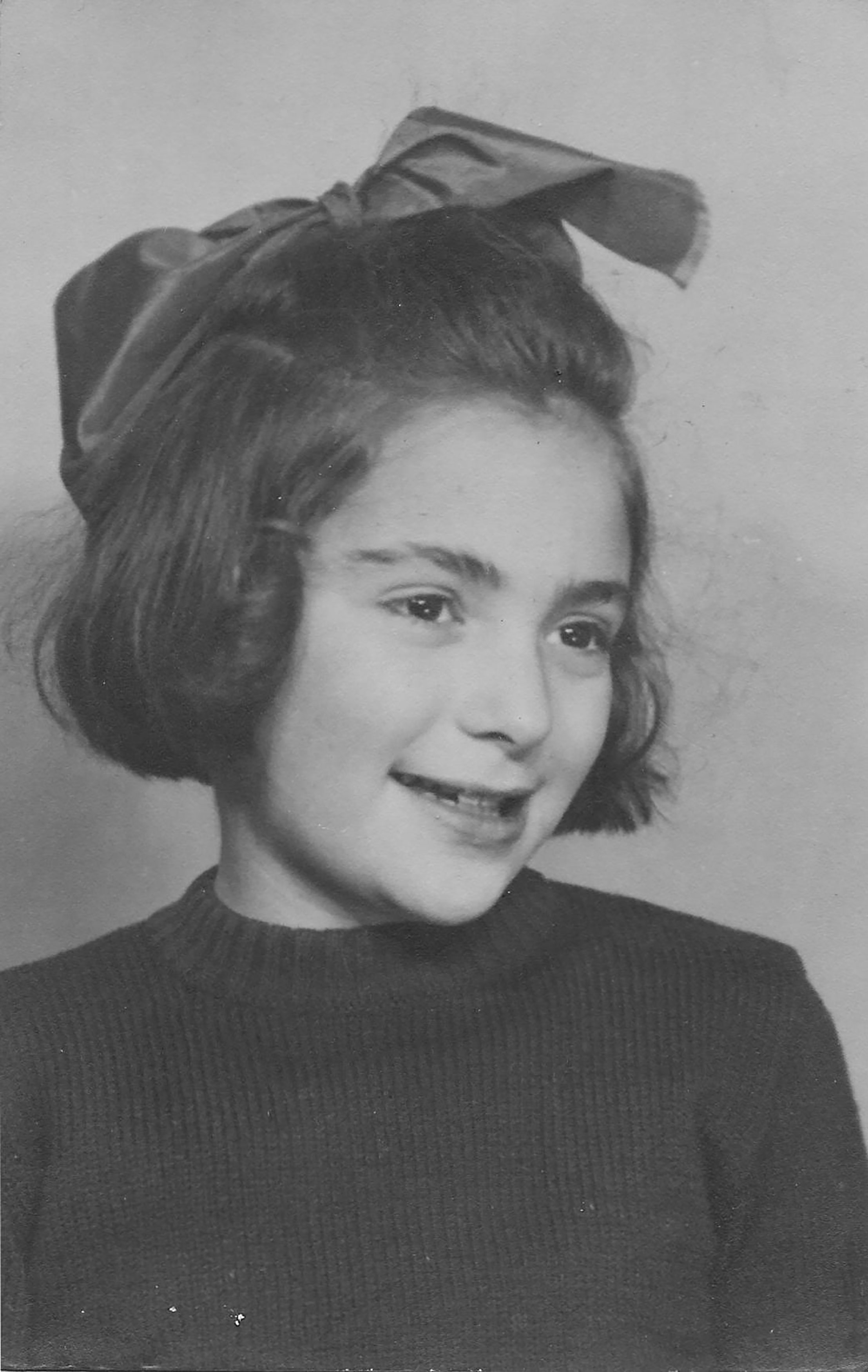
Annelie lived with her parents and her older brother Joost in Bentveld in the Netherlands. The family had their own house at Zandvoorterweg 8.
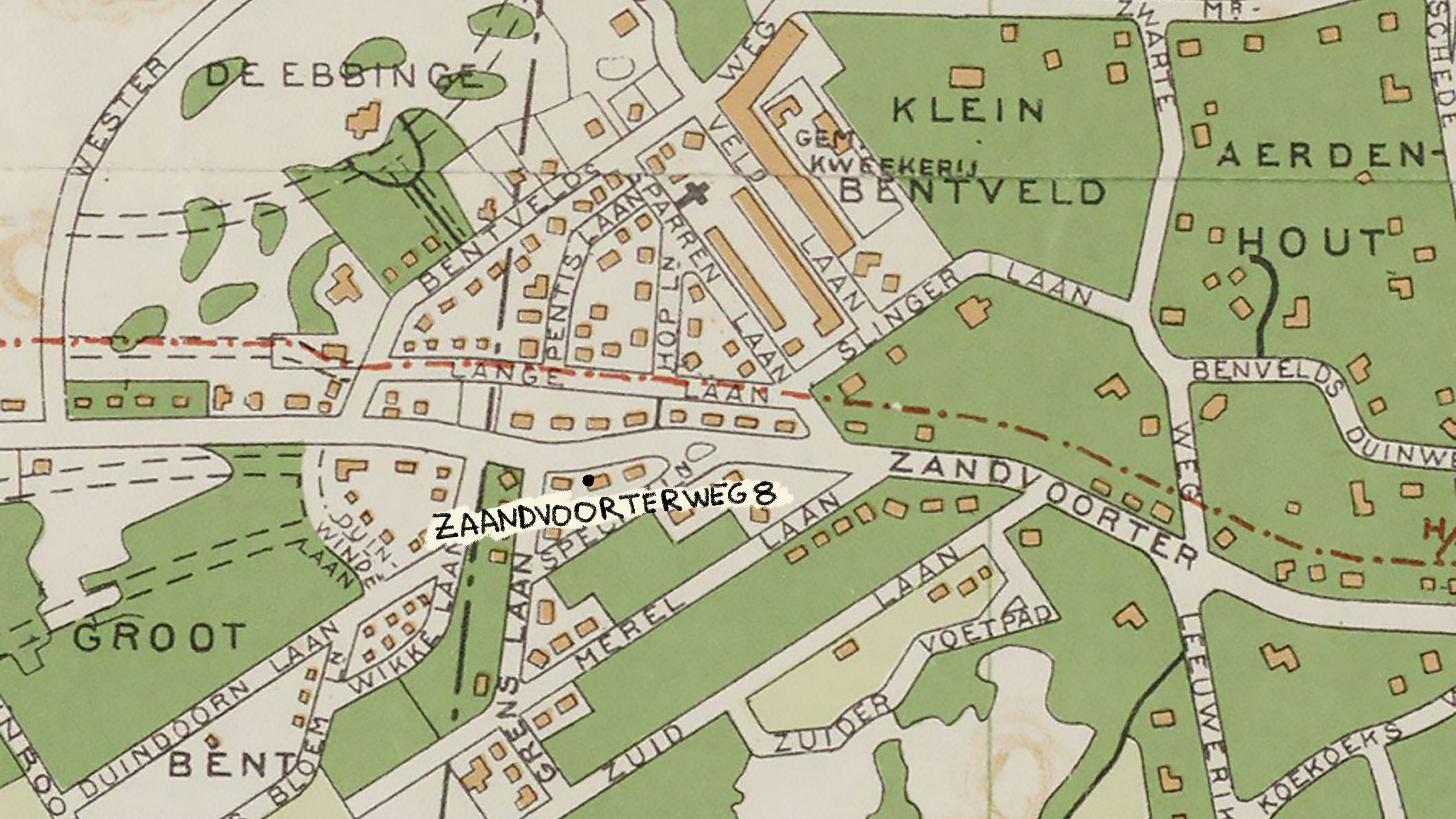
H. van Diehlen, 1940, Noord-Hollands Archief / 560 – Collection of maps and card books of the Provincial Atlas Noord-Holland, A(492.624)075 B
© Private property of the Tal family
I was very happy, I had friends, and I went to school. Weiter
Of course, there were also less pleasant things, but these were insignificant. All these years we lived at the same address until 1940, when the war broke out and the trouble began.
Who were Annelie’s parents?
Annelie’s parents came from Amsterdam. Annelie’s mother, Elisabeth Goudeket, Liesje for short, had a doctorate in law. Her father, Adolf Levenbach, known as Dolf, was a businessman.

© Private property of the Tal family
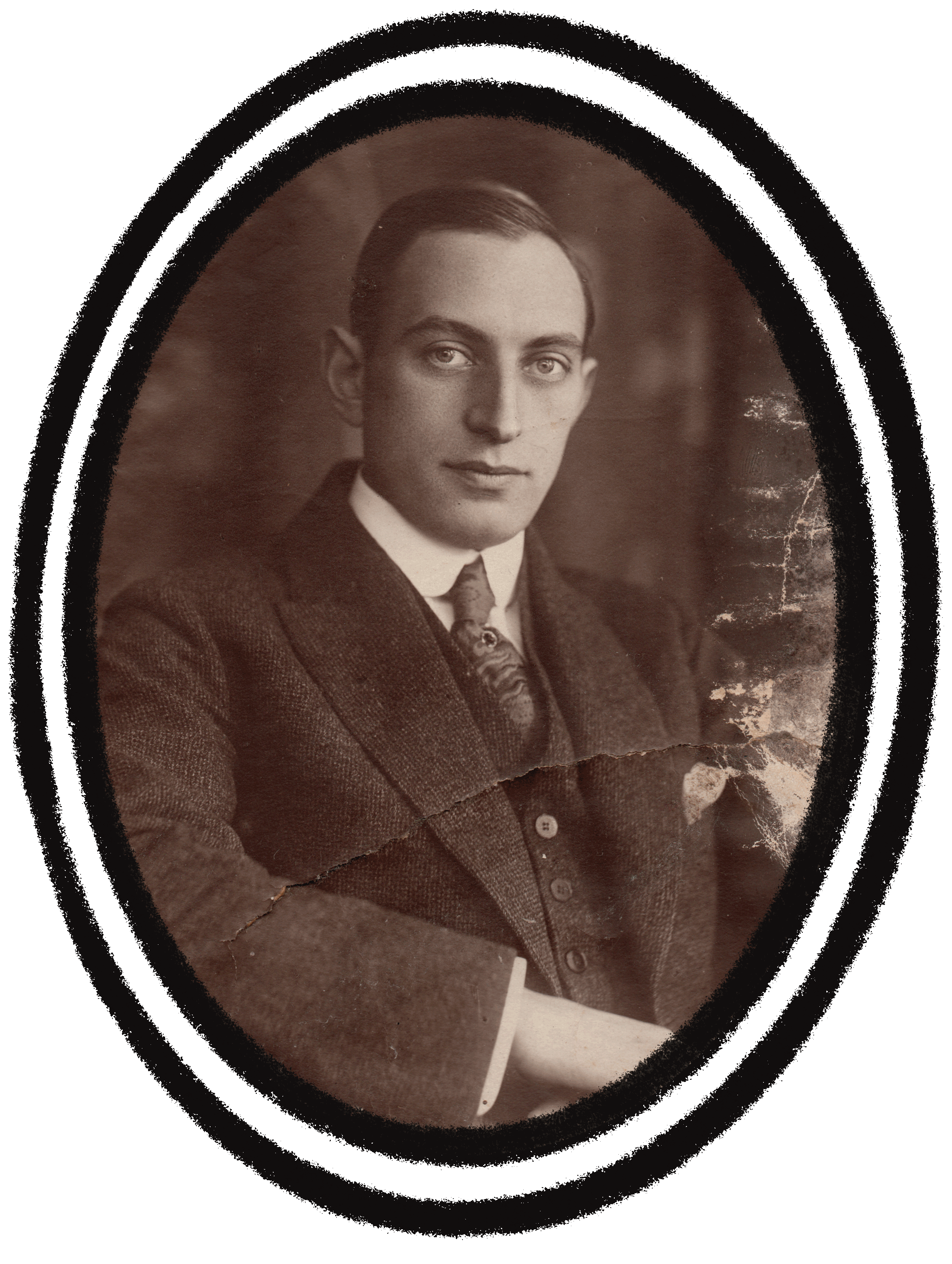
My mother, Liesje Goudeket, studied law at the University of Amsterdam. Weiter
She was awarded her doctorate in law on 1 July 1919. As a lawyer, her first job was as a senior official in the Municipal administration. Later, she worked at the Society for Social Work for the Benefit of Jewish Patients in Amsterdam.
She was a Zionist and a member of the Association of Jewish Women for Practical Work in Palestine and of the committee working to protect Jewish girls.
© Private property of the Tal family
My father, Adolf Levenbach, called Dolf for short, was the youngest of four brothers. He went to the United States as a young man and travelled through Russia in 1916 to 1918. Weiter
Upon his father’s death in 1921, Dolf inherited his share of his father’s business, but there was no real place for him in the business as a young partner. He left the family business and used the money he received to buy a business that unfortunately went bankrupt after a few years. He later became a retail agent for luxury goods.
Museums Victoria, Australia, CC BY 4.0 International
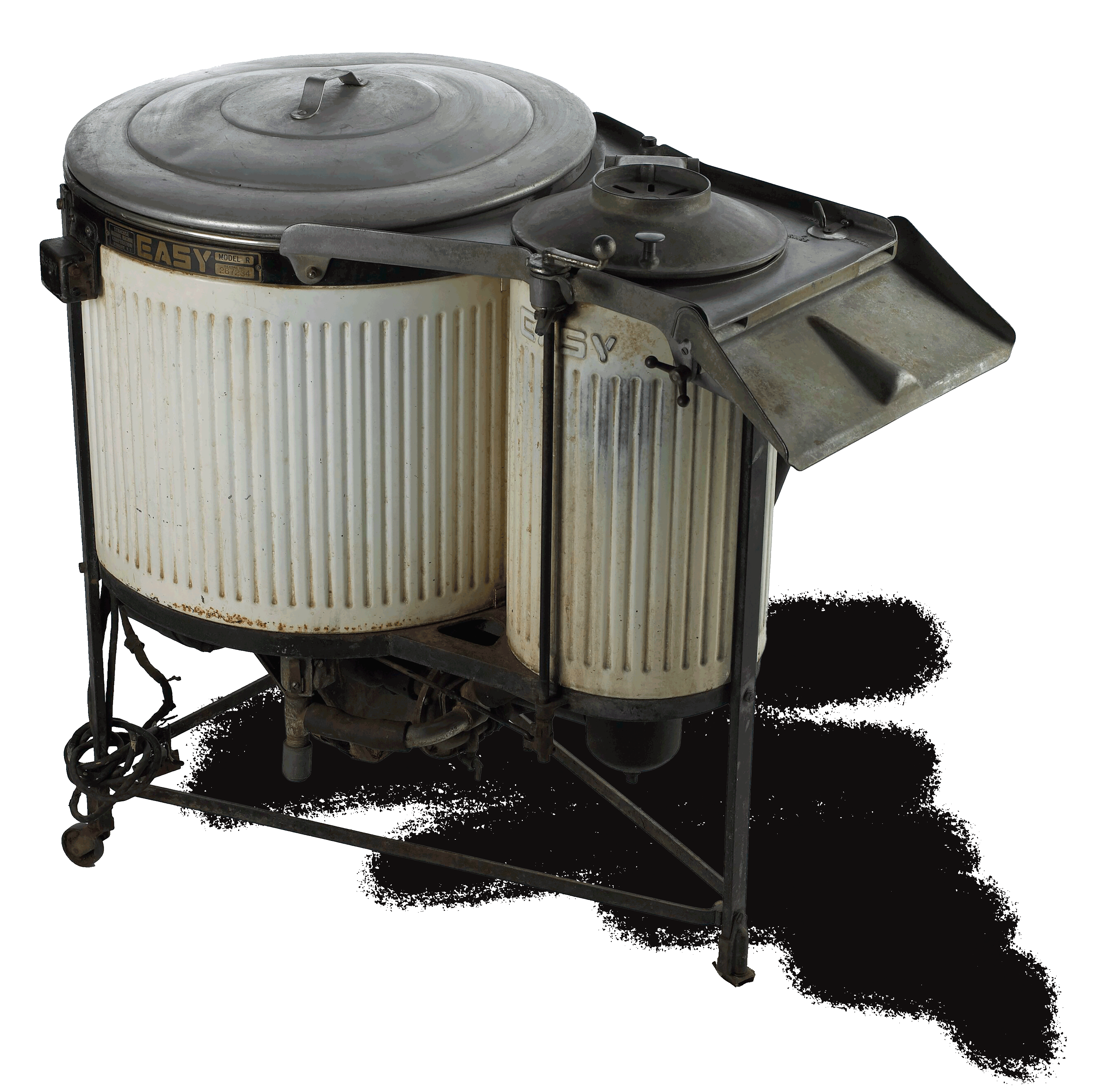
In the 1930s, he had a business relationship with an old German friend named Curt Blüth who imported washing machines from the United States. Weiter
At the time, a market developed for home washing machines, especially in the provinces of the Netherlands where large families lived and for whom doing laundry was very strenuous. Curt Blüth began importing the “Easy” washing machines from America. He also set up a service and financing system that allowed customers to pay for the machines in installments. Dolf was in charge of financing services and supervised loans and payment tracking until the German invasion in 1940.
Who were Annelie’s grandparents?
Annelie never met her paternal grandfather and her mother’s parents died in 1935. She has fond memories of her paternal grandmother, Rosa Levenbach.
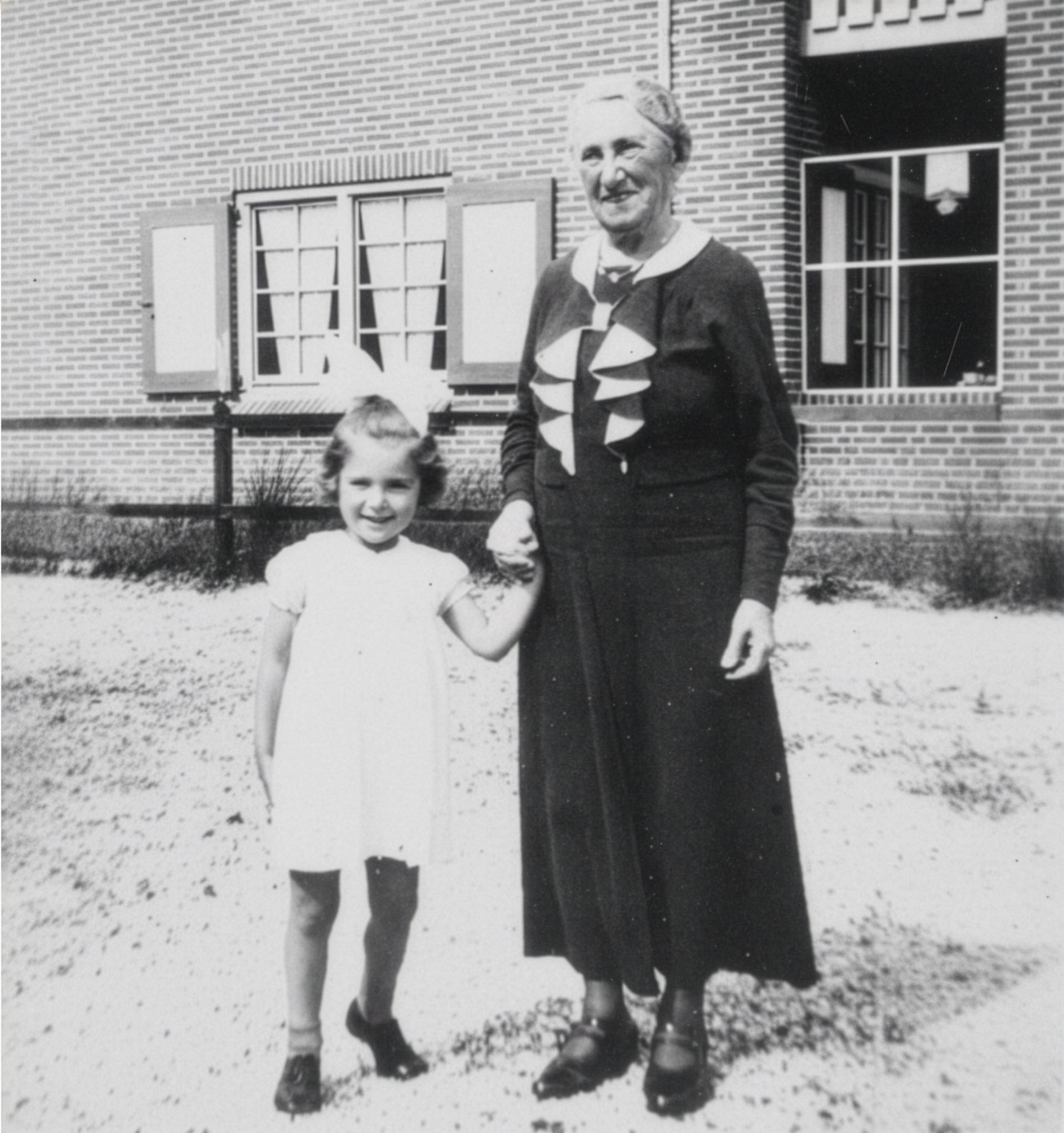
© Private property of the Tal family
My paternal grandfather died before I was born, but I remember my grandmother very well and loved her very much. Weiter
Who were Ab Reiner’s parents?
Ab’s parents were Josef Reiner, known as Jo, and Lea Goldberg, known as Lou. Both were from Krakow and had numerous siblings.
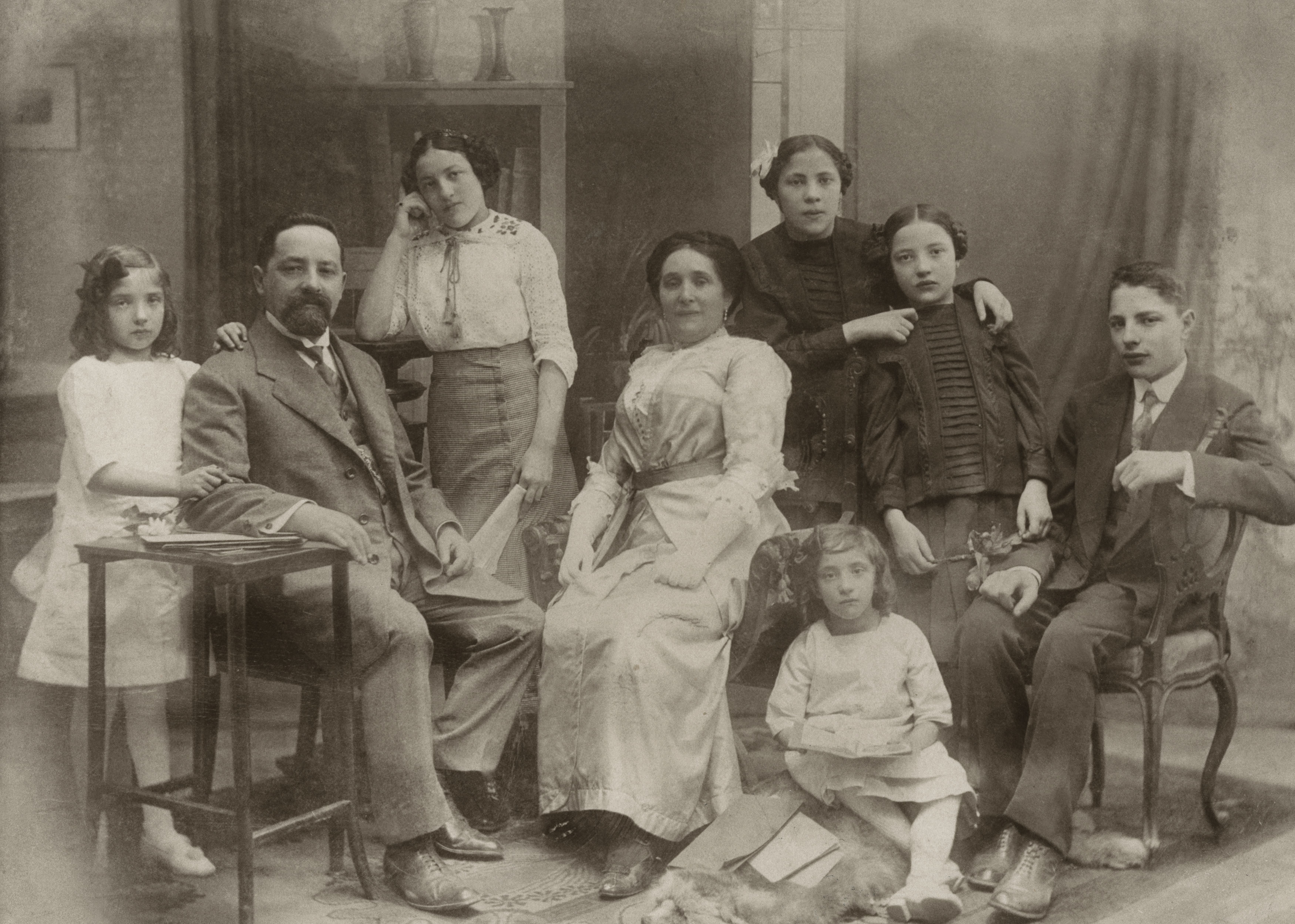
© Private property of the Rinat family
Father Jo went to Vienna, where there was a vibrant cultural life and economic opportunities. He studied leather processing in Vienna.
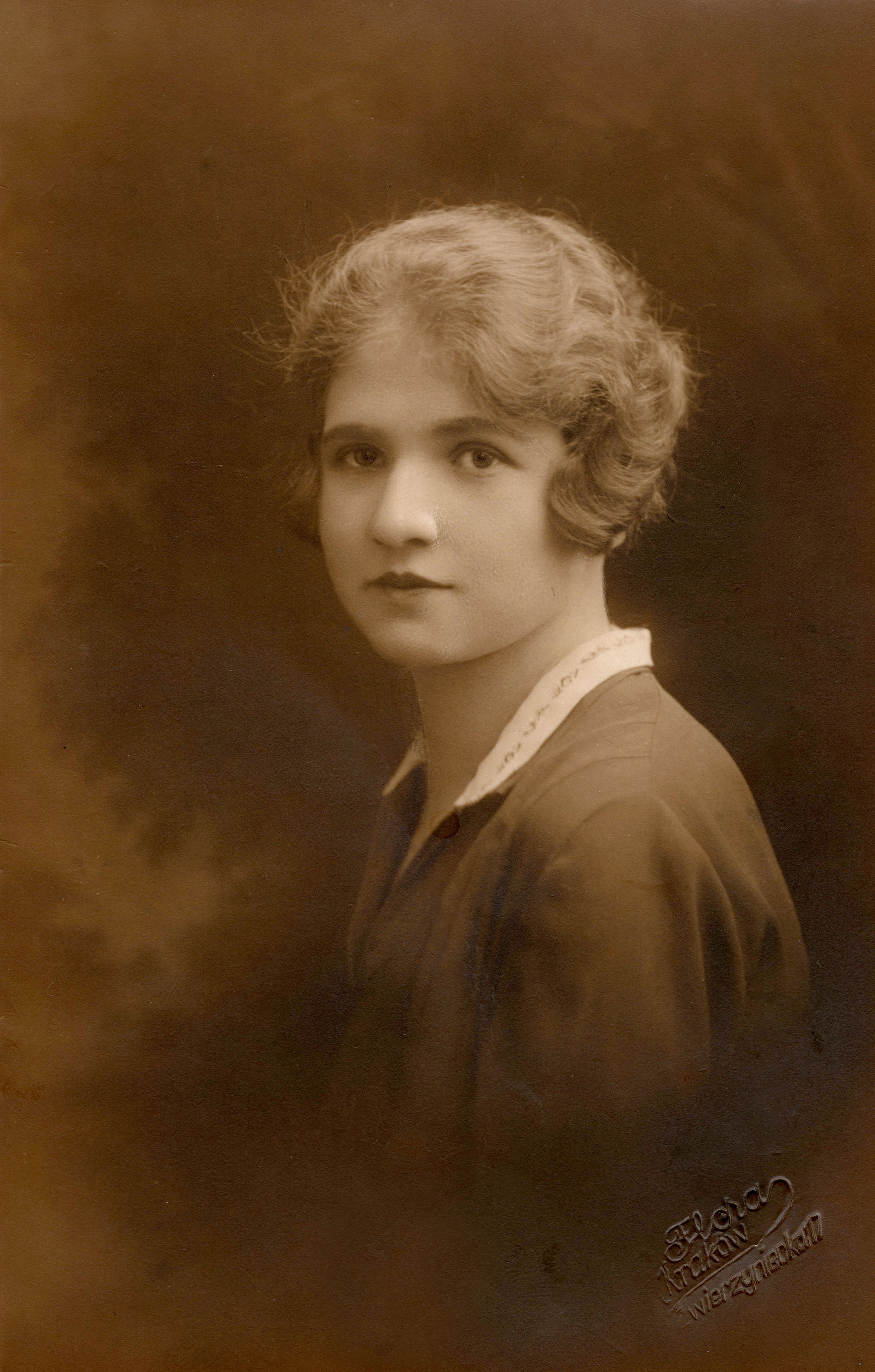
© Private property of the Rinat family
In Krakow, Mother Lea and her four sisters attended a regular non-Jewish school with classes in Polish, which was their mother tongue. Weiter
She later told us about the good life in Poland. Their economic situation was good but declined over the years. After graduating from high school, she worked as an office clerk.
She wanted us to attend a good school that would set us on a path towards a good education and success.
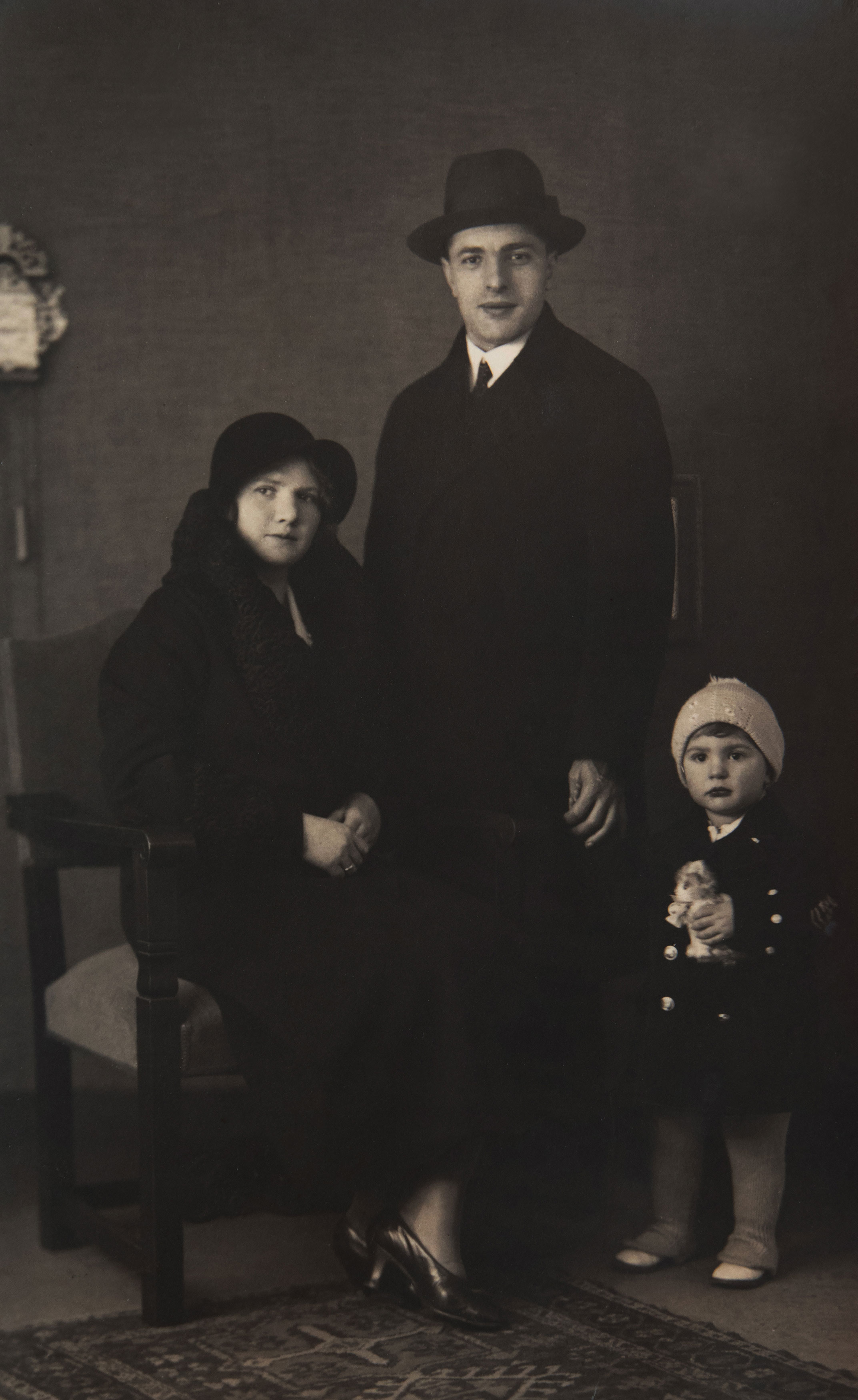
© Private property of the Rinat family
Father and Mother met, fell in love, and about four years after Father immigrated to Amsterdam and had found work, Mother joined him and they were married.
Where did the Reiner family live in Amsterdam?
Ab and his parents lived in a small flat on Lutmastraat 15 in Amsterdam. In 1932, Ab’s brother Marco was born, and the family moved to a larger flat at Zuider Amstellaan 37. From 1940 to 1943, they lived at Daniël Willinkplein 13 III.
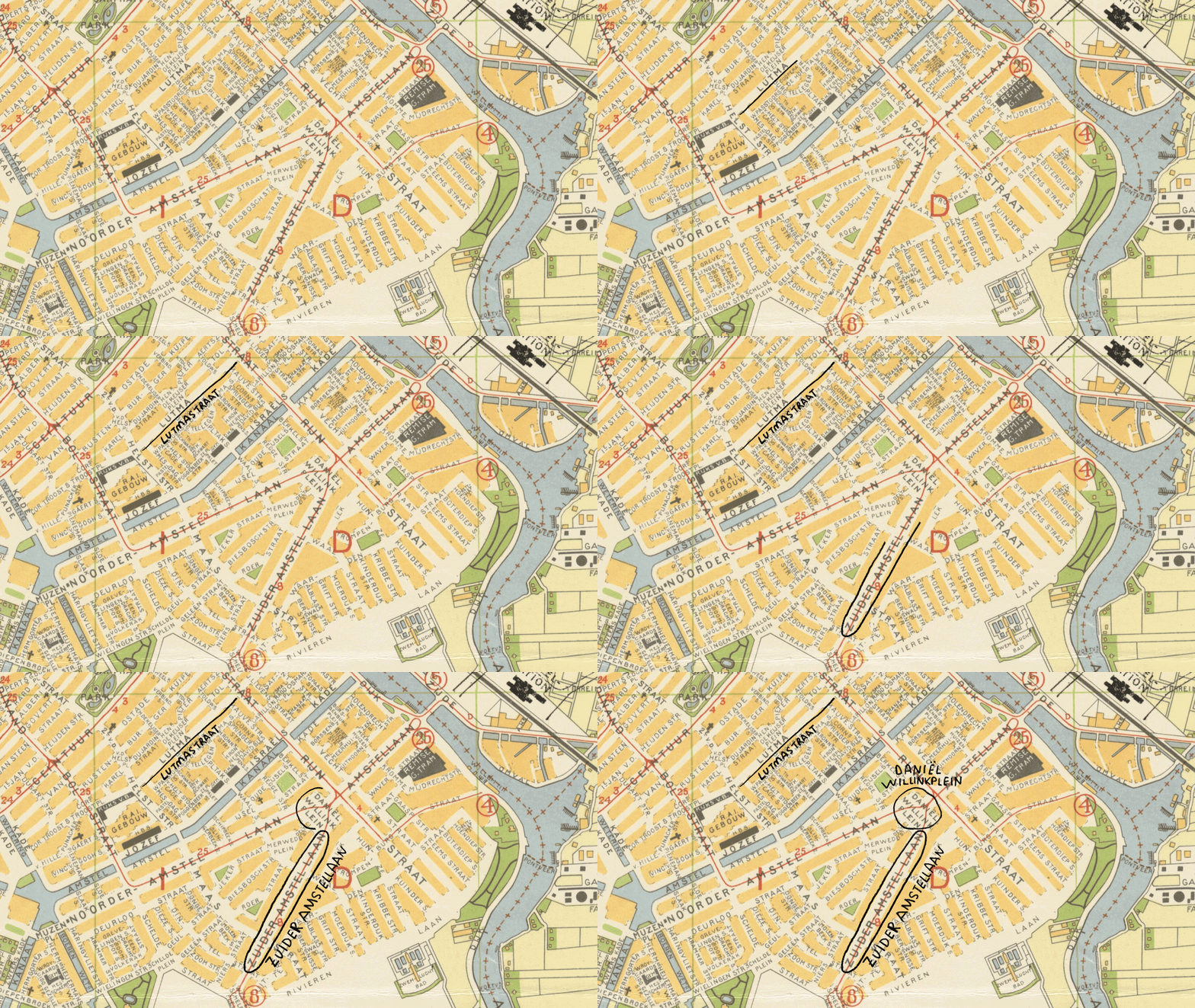
Stadsarchief Amsterdam / Cito Plans et Guides H. v. Diehlen, No. KOKA00617000001, copyright-free
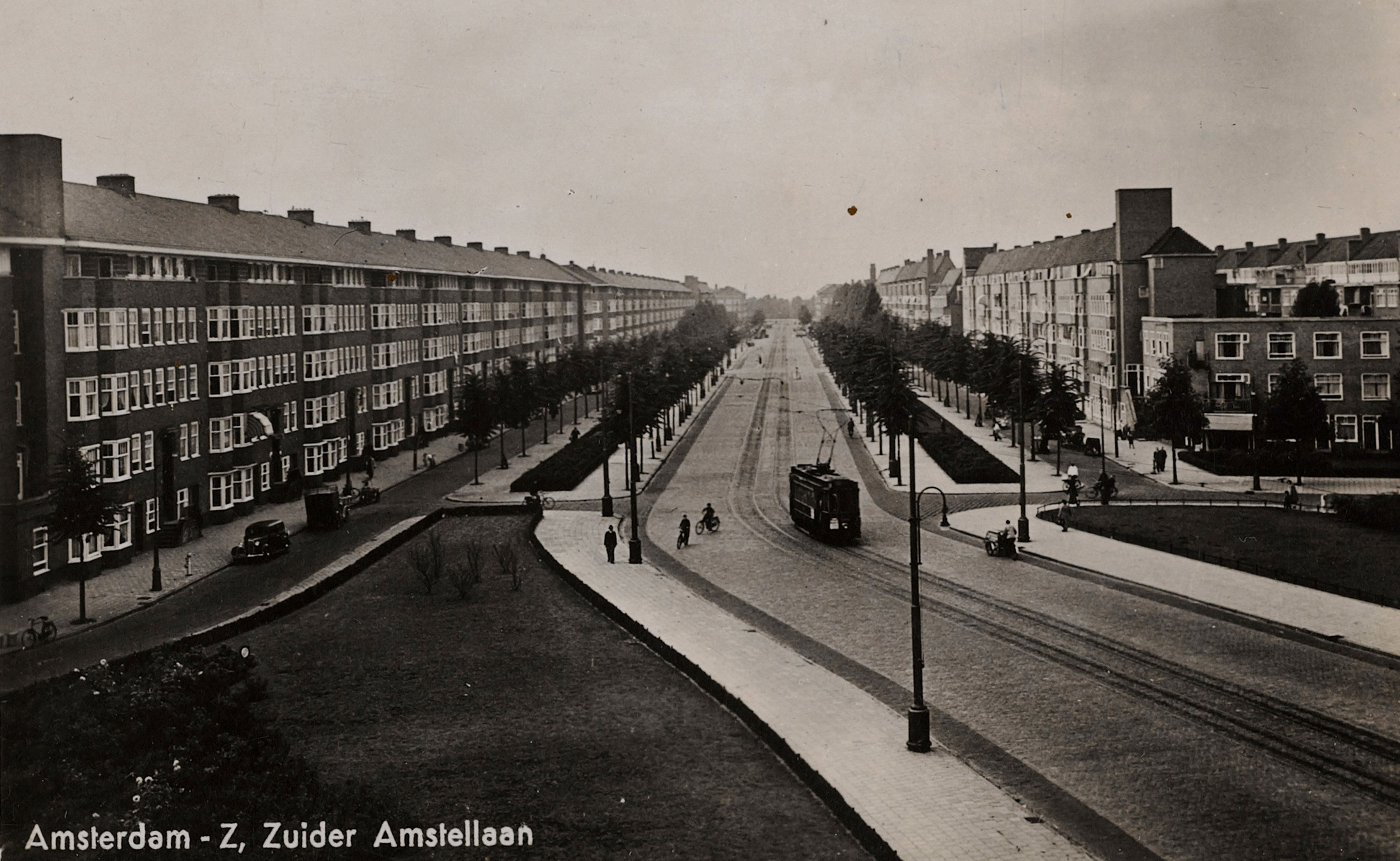
Stadsarchief Amsterdam / Maatschappij Rembrandt, No. PRKBB00136000002, copyright-free
I remember wandering around the new flat as if in a maze, exploring its rooms and its hidden secrets. Weiter
The living area was on the first level and included a living room, a dining room, a study and the kitchen. The second floor included the bedrooms: a room for Father and Mother, Marco’s room, and a room for Sol and me. Aunt Eva lived on the third level.
Who else lived with the Reiner family?
In 1930, Lea’s sister Eva Kimel and her son Sol moved in with the Reiner family. Sol was born in Berlin in 1928, but his parents separated in early 1930. Aunt Eva and Cousin Sol became part of the family.
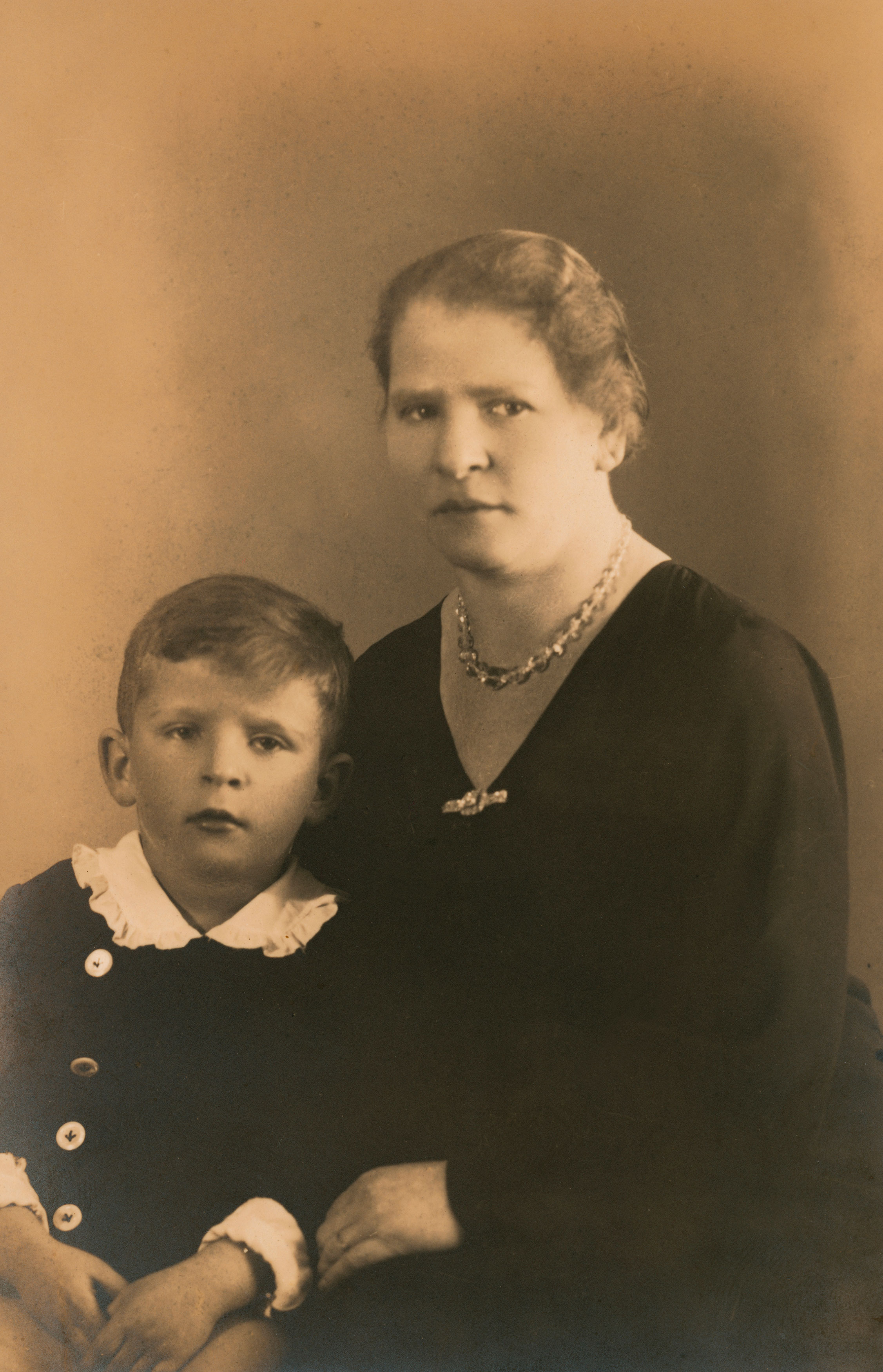
© Private property of the Rinat family
Where did the children go to school?
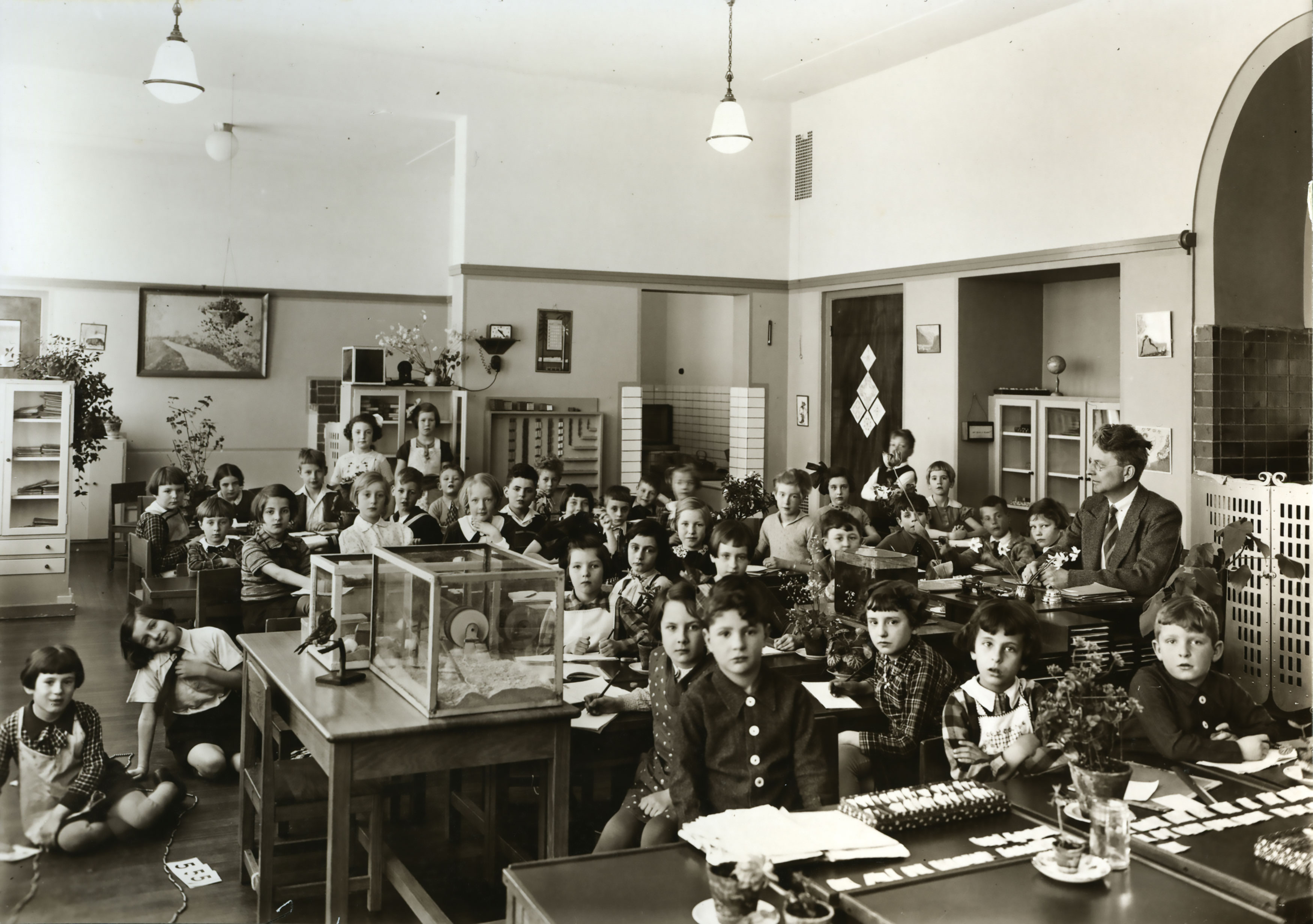
Ab, Sol and Marco attended a primary school in the neighbourhood. They also learned Hebrew and were taught about Jewish religion and culture.
© Collection Anne Frank House / photo: J.M. Bakels
Our school was an elementary school based on the Montessori method of education. Weiter
Did Ab know his grandparents?
When Ab was born, his mother’s parents and his father’s mother had already passed away. Ab met his grandfather Ephraim Reiner in 1938, when he visited Amsterdam from Krakow.

© Private property of the Rinat family
We were very surprised to learn that our grandfather did not understand Hebrew at all. Weiter
All our attempts to speak Hebrew with him came to nothing. He didn’t really understand us, and he was surprised that we couldn’t speak Polish. The whole family, together with Grandpa Ephraim, went on vacation to Scheveningen. We went swimming in the sea and had fun, but we weren’t really with him because we couldn’t communicate with him.
What did the parents do for a living?
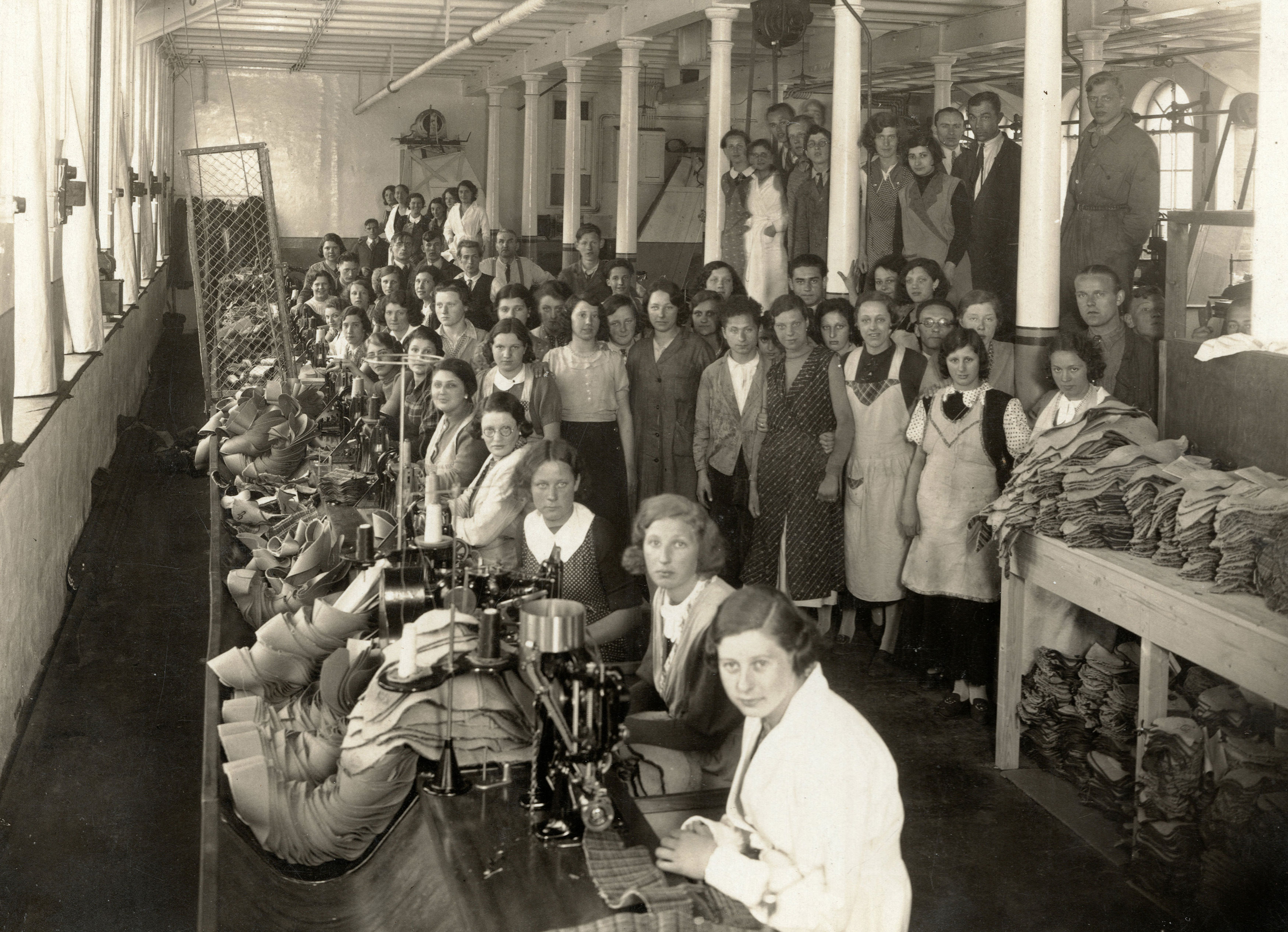
Jo Reiner first worked as a representative for a company that traded in hides. He later founded his own company called Rynco. Aunt Eva Kimel also worked, sewing and designing clothes.
© Private property of the Rinat family
In 1935, Father decided to set up a factory named Rynco that manufactured slippers and summer shoes. Weiter
This was the period after the Great Depression, and it took considerable courage to give up a good job for the uncertainty of a new business. Father Jo Reiner set up the factory with his brother-in-law Moishe Obstfeld, the husband of his sister Renée. The brothers-in-law divided the work between them, with Father responsible for buying leather and raw materials and overseeing sales.